
Ecommerce for Handmade Jewelry Sellers: 12 Mistakes That Hurt Jewelry Sales

Welcome, creative hands and aspiring entrepreneurs! Do you dream of sharing your beautiful handmade jewelry with the world? Selling online, or ecommerce for handmade jewelry sellers, is a fantastic way to reach many customers. But sometimes, tiny slip-ups can turn into big problems.
You want to avoid jewelry selling mistakes, right? We all make errors, but knowing what they are beforehand can save you a lot of headache. In this guide, we’ll explore 12 common jewelry ecommerce mistakes that often hurt sales. By learning about these, you can improve your jewelry store sales and make your handmade jewelry business shine.
Let’s dive in and fix some of the biggest handmade jewelry business problems.
1. Not Having Clear, Beautiful Photos
Imagine buying a necklace you can barely see. You wouldn’t, right? Blurry, dark, or poorly lit photos are a huge problem for ecommerce for handmade jewelry sellers. Your customers cannot touch or try on your beautiful creations.
Good photos are like inviting someone to a fancy party. They show off your jewelry’s true sparkle and detail. Without them, your customers might think your items are not good quality, even if they are amazing. This is one of the most common jewelry ecommerce mistakes beginners make.
To improve your jewelry store sales, take many photos from different angles. Use natural light or a simple light box. Show your jewelry being worn, so people can see its size and how it looks.
2. Weak Product Descriptions That Don’t Tell a Story
So, you have stunning photos – great! But what about the words? A product description isn’t just a list of materials. It’s your chance to talk directly to your customer.
Think about the story behind your jewelry. What inspired you? What materials did you use, and why are they special? How will wearing this piece make someone feel?
Many ecommerce for handmade jewelry sellers simply list “beads, wire, clasp.” This doesn’t make your item stand out. Your words should paint a picture and make someone want to own your unique piece.
Use words that help people imagine wearing your jewelry. Talk about the care instructions and the special touches you added. This helps your handmade product branding shine through.
3. Ignoring Search Engine Optimization (SEO)
Have you ever wondered how people find your shop online? Most use search engines like Google. If your shop isn’t set up for them, it’s like having a secret store in a busy mall. Nobody knows you’re there!
SEO, or Search Engine Optimization, helps people find your jewelry. It means using special words (keywords) in your product titles and descriptions. These are the words people type into search bars.
For example, if you sell “handmade silver earrings with blue stones,” make sure those words are in your title. This is a vital part of jewelry online store optimization. Without it, you miss out on potential customers actively searching for what you sell.
You need to think like a customer. What would they type to find your jewelry? Using relevant keywords will bring more eyes to your lovely creations.
How to Start with SEO
- Keyword Research: Think of words your customers might use. Tools like Google Keyword Planner can help you find popular terms.
- Use Keywords: Place these keywords naturally in your product titles, descriptions, and blog posts. Don’t stuff them in!
- Good Website Structure: Make sure your website is easy for both people and search engines to understand.
- Fast Loading Pages: No one likes a slow website. Make sure your images are optimized so your pages load quickly.
4. Unclear or Hidden Pricing and Shipping Costs
Nobody likes surprises, especially when it comes to money. Imagine filling your cart with beautiful handmade jewelry, only to find a huge shipping fee at checkout. Many customers will just leave. This is a major handmade jewelry business problem.
Your pricing and shipping information must be easy to find. Be upfront about how much your jewelry costs and how much it will cost to send it to them. Hiding these costs is one of the quickest ways to hurt your jewelry sales.
Customers want to feel confident when they buy from you. Clear pricing builds trust. Make sure your shipping policy is easy to understand, even for someone who has never shopped online before.
A simple table for shipping costs can be very helpful:
| Destination | Shipping Method | Cost | Estimated Delivery |
|---|---|---|---|
| USA | Standard | $5 | 5-7 Business Days |
| USA | Express | $15 | 2-3 Business Days |
| International | Standard | $12 | 10-20 Business Days |
5. Not Telling Your Brand Story
Your handmade jewelry isn’t just an item; it’s a piece of you. Your brand story is what makes your business unique. Why did you start making jewelry? What inspires your designs? What values do you hold?
Many ecommerce for handmade jewelry sellers forget to share this. They focus only on the product itself. But customers often buy from small businesses because they connect with the maker. They want to know the person behind the art.
This is where handmade product branding really shines. Your story helps people connect emotionally with your jewelry. It turns a simple purchase into a meaningful experience.
Tell your story on your “About Me” page. Share snippets on social media. Let your personality and passion come through. This makes your brand memorable and helps you stand out from big jewelry companies.
6. Ignoring Customer Reviews and Feedback
Think of reviews as your online cheering squad. When others say good things about your jewelry, it makes new customers feel safe to buy. Ignoring reviews is like turning off the cheers.
Positive reviews are powerful. They show that other people love your handmade jewelry. They build trust and prove that you deliver quality items. On the flip side, negative reviews, if handled well, can also show you care.
For ecommerce for handmade jewelry sellers, reviews are super important. Since customers can’t see your items in person, they rely on what others say. Encourage your happy customers to leave reviews.
Always respond to reviews, good or bad. Thank people for their kind words. If someone has a complaint, address it politely and offer a solution. This shows excellent customer service and helps improve jewelry store sales.
7. A Difficult-to-Use Website
Imagine walking into a physical store where everything is messy, and you can’t find what you’re looking for. You’d probably leave quickly, right? An online store works the same way.
If your website is hard to navigate, slow to load, or doesn’t work well on phones, customers will get frustrated. They won’t spend time trying to figure it out. They’ll simply go to another shop. This is a common handmade jewelry business problem.
Your jewelry online store optimization needs to make things easy. Make sure your menus are clear, your search bar works, and your checkout process is simple. Test your website on different devices, especially phones, as many people shop on them.
A smooth, easy shopping experience encourages people to stay longer and buy more. It’s a key part of avoiding jewelry selling mistakes.
Website Checklist:
- Mobile-Friendly: Does it look good and work well on phones and tablets?
- Easy Navigation: Can customers find categories and specific items quickly?
- Clear Call-to-Actions: Are buttons like “Add to Cart” easy to see?
- Fast Loading Speed: Do pages load quickly? You can use tools like Google PageSpeed Insights to check.
- Secure Checkout: Is your checkout secure (look for the padlock icon in the browser)?
8. Not Having a Clear Return Policy
Even with the best photos and descriptions, sometimes a piece of jewelry just isn’t right for a customer. A clear return policy builds trust. It tells your customers that you stand by your work.
If your return policy is hard to find, confusing, or non-existent, it can make customers nervous. They might worry they’ll be stuck with something they don’t like. This can prevent them from making a purchase.
For ecommerce for handmade jewelry sellers, a transparent return policy is essential. It shows you are confident in your product and fair to your customers. Make it easy to find on your website.
A simple, clear policy can say: “If you’re not happy, you can return your jewelry within 30 days for a full refund.” This helps improve jewelry store sales by building customer confidence.
9. Underpricing Your Handmade Jewelry
This is a huge jewelry ecommerce mistake beginners often make. You pour your heart and soul into making unique jewelry. You spend time picking materials and crafting each piece. But then, you price it too low.
Underpricing your work is a handmade jewelry business problem that hurts in two ways. First, you don’t earn enough to cover your costs and time. Second, customers might see a very low price and think the quality is poor.
Your prices need to reflect the value of your art, your time, and your skills. Don’t be afraid to charge what your handmade jewelry is worth. Research what similar quality handmade items sell for.
Think about all your costs: materials, tools, packaging, website fees, and most importantly, your time! If you don’t value your work, how can customers? Proper pricing helps you improve jewelry store sales sustainably.
Jewelry Pricing Calculator
To help you avoid underpricing your beautiful handmade jewelry, here’s a simple calculator. This tool will help you figure out a good base price for your items, ensuring you cover your costs and make a profit.
1
2
3
4
5
6
7
8
9
10
11
12
13
14
15
16
17
18
19
20
21
22
23
24
25
26
27
28
29
30
31
32
33
34
35
36
37
38
39
40
41
42
43
44
45
46
47
48
49
50
51
52
53
54
55
56
57
58
59
60
61
62
63
64
65
66
67
68
69
70
71
72
73
74
75
76
77
78
79
80
81
82
83
84
85
86
87
88
89
90
91
92
93
94
95
96
97
98
99
100
101
102
103
104
105
106
107
108
109
110
111
112
113
114
115
116
117
118
119
120
121
122
123
124
125
126
127
128
<style>
  .calculator-container {
    font-family: Arial, sans-serif;
    max-width: 600px;
    margin: 20px auto;
    padding: 20px;
    border: 1px solid #ddd;
    border-radius: 8px;
    background-color: #f9f9f9;
  }
  .calculator-container h4 {
    color: #333;
    text-align: center;
    margin-bottom: 20px;
  }
  .calc-input-group {
    margin-bottom: 15px;
  }
  .calc-input-group label {
    display: block;
    margin-bottom: 5px;
    font-weight: bold;
  }
  .calc-input-group input[type="number"] {
    width: calc(100% - 22px); /* Account for padding and border */
    padding: 10px;
    border: 1px solid #ccc;
    border-radius: 4px;
    box-sizing: border-box; /* Include padding and border in the element's total width and height */
  }
  .calc-button {
    display: block;
    width: 100%;
    padding: 12px 20px;
    background-color: #6a1b9a; /* A nice purple */
    color: white;
    border: none;
    border-radius: 4px;
    cursor: pointer;
    font-size: 16px;
    margin-top: 20px;
  }
  .calc-button:hover {
    background-color: #4a0072; /* Darker purple on hover */
  }
  .calc-results {
    margin-top: 25px;
    padding-top: 20px;
    border-top: 1px solid #eee;
  }
  .calc-results p {
    font-size: 1.1em;
    margin-bottom: 10px;
  }
  .calc-results span {
    font-weight: bold;
    color: #333;
  }
</style>

<div class="calculator-container">
  <h4>Jewelry Pricing & Profit Calculator</h4>
  <p>Figure out a fair price for your handmade jewelry!</p>

  <div class="calc-input-group">
    <label for="materialCost">Material Cost ($):</label>
    <input type="number" id="materialCost" value="10" min="0" step="0.01">
  </div>

  <div class="calc-input-group">
    <label for="laborRate">Your Hourly Rate ($):</label>
    <input type="number" id="laborRate" value="25" min="0" step="0.01">
  </div>

  <div class="calc-input-group">
    <label for="hoursSpent">Hours Spent Making (e.g., 1.5):</label>
    <input type="number" id="hoursSpent" value="1" min="0" step="0.1">
  </div>

  <div class="calc-input-group">
    <label for="overheadCost">Overhead Cost per Item ($) <small>(e.g., small portion of tools, rent, etc. if applicable)</small>:</label>
    <input type="number" id="overheadCost" value="2" min="0" step="0.01">
  </div>

  <div class="calc-input-group">
    <label for="profitMargin">Desired Profit Margin (%):</label>
    <input type="number" id="profitMargin" value="50" min="0" step="1">
  </div>

  <button class="calc-button" onclick="calculateJewelryPrice()">Calculate Price</button>

  <div class="calc-results" id="calcResults">
    <p>Total Production Cost: <span id="totalCost">$0.00</span></p>
    <p>Suggested Selling Price: <span id="sellingPrice">$0.00</span></p>
  </div>
</div>

<script>
  function calculateJewelryPrice() {
    const materialCost = parseFloat(document.getElementById('materialCost').value) || 0;
    const laborRate = parseFloat(document.getElementById('laborRate').value) || 0;
    const hoursSpent = parseFloat(document.getElementById('hoursSpent').value) || 0;
    const overheadCost = parseFloat(document.getElementById('overheadCost').value) || 0;
    const profitMargin = parseFloat(document.getElementById('profitMargin').value) || 0;

    // Calculate labor cost
    const laborCost = laborRate * hoursSpent;

    // Calculate total production cost
    const totalProductionCost = materialCost + laborCost + overheadCost;

    // Calculate selling price with desired profit margin
    // If profit margin is 50%, selling price should be (cost / (1 - 0.50))
    // Selling price = Cost / (1 - (Profit Margin / 100))
    let suggestedSellingPrice = 0;
    if (profitMargin < 100) { // Avoid division by zero or negative
      suggestedSellingPrice = totalProductionCost / (1 - (profitMargin / 100));
    } else {
      suggestedSellingPrice = totalProductionCost * 2; // Default for 100% margin if formula struggles
    }

    document.getElementById('totalCost').textContent = `$${totalProductionCost.toFixed(2)}`;
    document.getElementById('sellingPrice').textContent = `$${suggestedSellingPrice.toFixed(2)}`;
  }

  // Run calculation on page load for initial values
  document.addEventListener('DOMContentLoaded', calculateJewelryPrice);
</script>
This calculator helps you understand your true costs and ensure you’re making a fair profit. Remember, your time and skill are valuable!
10. Not Marketing Beyond Your Own Shop
Having a beautiful ecommerce store is just the beginning for handmade jewelry sellers. You can’t just build it and expect people to magically appear. You need to tell people about it!
Many sellers make the mistake of only posting on their own website. But the online world is vast! You need to go where your potential customers are. This is a crucial step in jewelry online store optimization.
Think about social media platforms like Instagram or Pinterest, where visuals are key. Join online communities for handmade goods. Consider working with bloggers or influencers who love handmade items.
Spreading the word helps improve jewelry store sales by reaching a wider audience. Don’t be shy about showing off your amazing creations!
Marketing Ideas to Boost Sales:
- Social Media: Share stunning photos and videos of your jewelry. Show behind-the-scenes glimpses of your making process.
- Email List: Collect email addresses from interested visitors and send them updates, special offers, or new product alerts.
- Collaborations: Partner with other handmade sellers or small businesses for giveaways or cross-promotion.
- Local Markets: Even if you sell online, participating in local craft fairs can help you meet customers and direct them to your website.
- Blogging: Write articles about jewelry trends, how to care for jewelry, or the inspiration behind your designs. This also helps with SEO.
11. Overlooking Unique Packaging and Presentation
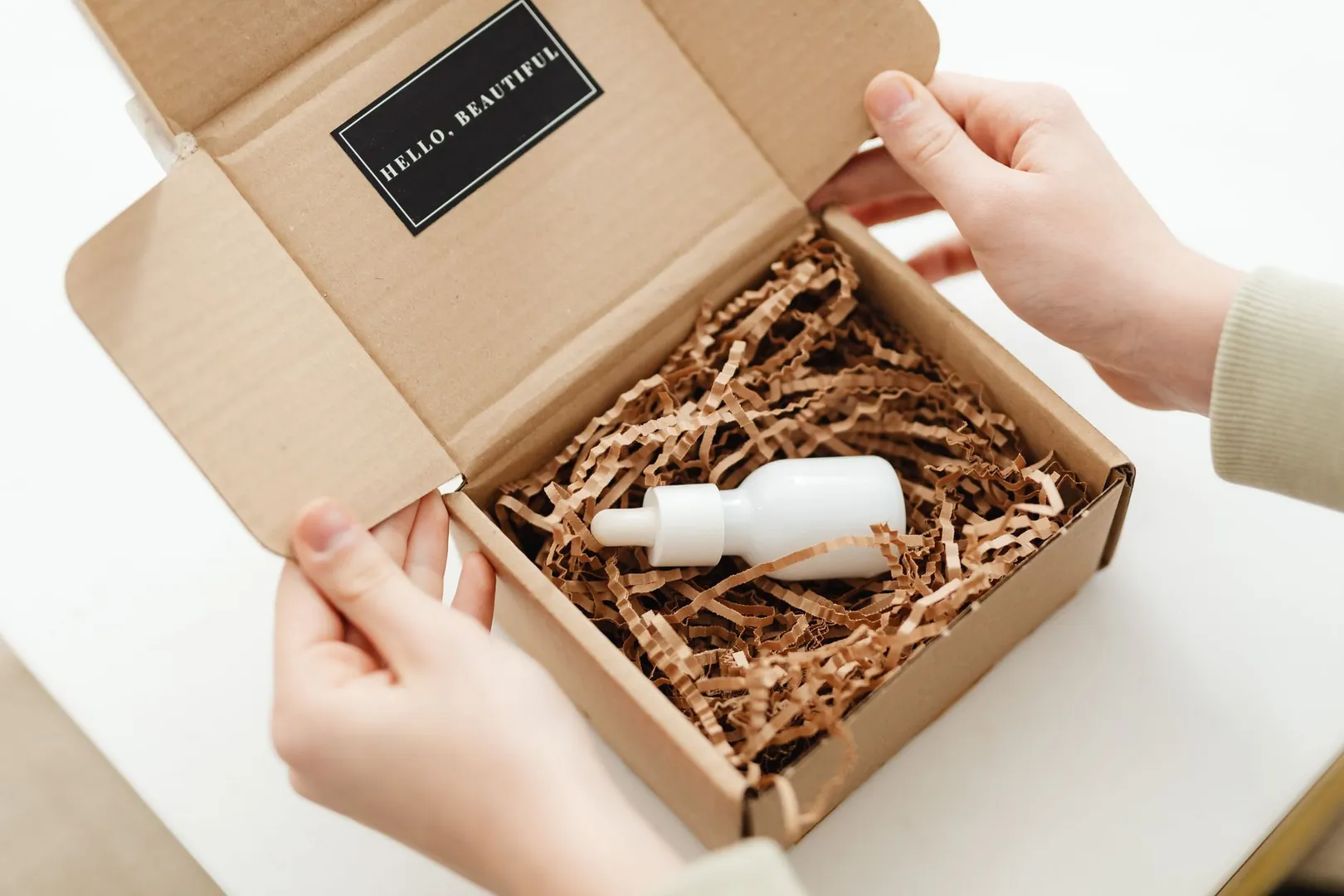
You’ve spent hours making a gorgeous piece of jewelry. Don’t let it arrive in a plain, boring package! The unboxing experience is part of the joy of buying handmade.
Imagine receiving a box that’s carefully wrapped, with a personal note and a lovely presentation. It feels special, right? This positive experience makes customers happy and encourages them to buy from you again.
For ecommerce for handmade jewelry sellers, packaging is an extension of your handmade product branding. It’s an opportunity to create a memorable moment. Even simple touches like a ribbon, a branded sticker, or a thank-you note can make a big difference.
It shows you care about every detail, not just the jewelry itself. This extra effort helps improve jewelry store sales by creating loyal, repeat customers.
12. Forgetting to Update Your Store Regularly
Imagine a brick-and-mortar store that always has the same old items, never changes its displays, and has dusty windows. You probably wouldn’t visit often, would you? Your online store is no different.
Many ecommerce for handmade jewelry sellers forget to keep their shops fresh. They add new items only rarely or leave old, sold-out items sitting there. This is a jewelry ecommerce mistake that can make your store look abandoned.
Regularly updating your store keeps it exciting for returning customers. Add new designs, offer seasonal collections, or refresh your website’s look. Show that your business is active and growing.
This practice, part of jewelry online store optimization, signals to both customers and search engines that your site is alive. New content and products can help you improve jewelry store sales and keep your brand vibrant.
Ways to Keep Your Store Fresh:
- New Products: Launch new jewelry designs regularly.
- Seasonal Collections: Create special collections for holidays or seasons.
- Blog Posts: Write new articles related to your jewelry or craft.
- Update Photos: Refresh old product photos if you improve your photography skills.
- Website Design Tweaks: Change banners, rearrange product categories, or update your “About Us” page.
By avoiding these jewelry selling mistakes, you’re setting yourself up for success. Each of these points can be a handmade jewelry business problem, but with a little attention, they can become opportunities to grow. Remember, every master was once a beginner. Keep learning, keep creating, and keep improving!
Frequently Asked Questions (FAQ)
H3: What are the biggest jewelry ecommerce mistakes beginners make?
H4: Ignoring clear photos and descriptions. The most common jewelry ecommerce mistakes beginners make include using bad photos and writing weak descriptions. Your customers can’t touch your jewelry online, so amazing pictures and words that tell a story are super important. Another big mistake is underpricing your beautiful handmade items. Your time and skill are valuable!
H3: How can I improve my jewelry store sales quickly?
H4: Focus on customer experience and marketing. To improve jewelry store sales, first, make sure your website is easy to use and your photos are stunning. Then, actively market your jewelry. Share on social media where your customers hang out, and consider starting an email list for special offers. Great customer service and clear policies also build trust and encourage sales.
H3: What is “handmade product branding” and why is it important for jewelry sellers?
H4: Telling your unique story. Handmade product branding is about what makes your jewelry and business special and recognizable. It’s your unique style, your story, your values, and how you present all of that to the world. For ecommerce for handmade jewelry sellers, strong branding helps you stand out from the crowd and connects emotionally with customers. It’s what makes people choose your jewelry over others.
H3: How can I optimize my jewelry online store for search engines (SEO)?
H4: Use keywords and a good website structure. Jewelry online store optimization starts with thinking about what words people type when looking for jewelry like yours. These are your keywords. Use them naturally in your product titles, descriptions, and any blog posts you write. Also, make sure your website loads fast, is easy to navigate, and works well on phones. Google likes websites that offer a good experience!
H3: Is it okay to link to other websites in my blog posts?
H4: Yes, it’s very helpful! Yes, linking to other helpful websites is a great idea. It’s called external linking and it makes your blog post more useful and trustworthy. For example, you could link to a guide on how to take amazing product photos, a tool for checking website speed, or an article about jewelry care tips. Just make sure the links go to reputable and helpful sites.
H3: What is a common handmade jewelry business problem that sellers face?
H4: Getting discovered online. A common handmade jewelry business problem is getting people to find your online store amidst millions of other websites. This is where ignoring SEO and marketing beyond your own shop becomes a big mistake. You need to actively work to be seen, not just hope people stumble upon your beautiful creations.
Conclusion
Phew! We’ve covered a lot of ground today. Selling handmade jewelry online is an exciting journey, and it’s totally normal to face challenges. But by understanding and avoiding these 12 common jewelry ecommerce mistakes, you’re already ahead of the game.
Remember, every step you take to improve your photography, tell your story, or optimize your store helps your ecommerce for handmade jewelry sellers journey. You’re building more than just a shop; you’re building a brand and a community. Keep learning, keep creating, and keep shining! You’ve got this.



Leave a comment