
How to Launch & Scale Your DTC Brand: The Direct-to-Consumer Playbook

Unlock direct-to-consumer success.
The retail landscape has undergone a monumental shift, empowering brands to bypass traditional middlemen and forge direct, meaningful relationships with their customers. This revolutionary approach, known as Direct-to-Consumer (DTC), has become the cornerstone of modern eCommerce. It’s a strategic move that not only optimises profit margins but also grants unparalleled control over your brand narrative and customer experience.
If you’re an ambitious online seller or a brand looking to pivot, understanding the Direct-to-Consumer playbook is essential for thriving in today’s competitive market. This comprehensive guide will walk you through every critical step, from launching your initial concept to implementing advanced strategies for scaling your operations. We’ll explore the benefits, challenges, and best practices that define successful DTC brands, offering actionable insights for your own venture.
Understanding the Direct-to-Consumer Advantage
The Direct-to-Consumer model is more than just a sales channel; it’s a philosophy centered on autonomy and direct engagement. By cutting out wholesalers, distributors, and traditional retailers, DTC brands take full ownership of their product’s journey from creation to the customer’s doorstep. This direct path allows for agility, authenticity, and a deeply personal connection that traditional retail often struggles to achieve.
You gain invaluable insights directly from your audience, enabling faster product development and more resonant marketing messages. This fundamental shift empowers you to build a brand truly loved by its community, rather than just selling products through a crowded marketplace.
The Core Principles of DTC
At its heart, the DTC model thrives on a few fundamental principles that set it apart. Firstly, it establishes a direct relationship with customers, fostering loyalty and trust through every interaction. You become the sole point of contact, building a narrative that resonates personally.
Secondly, DTC brands exert full control over their brand identity and the entire customer experience. From website design to unboxing, every touchpoint is meticulously crafted to reflect your brand’s values. This level of oversight ensures consistency and strengthens brand recognition.
Finally, the elimination of intermediaries often leads to higher profit margins and invaluable data ownership. You get to keep more of each sale, and crucially, you own all the customer data, which is gold for future marketing and product development.
Benefits of the DTC Model
Embracing the Direct-to-Consumer model offers a plethora of advantages over traditional retail or relying solely on third-party marketplaces. You unlock the ability to truly innovate and connect on a deeper level. This direct engagement translates into tangible business benefits, making it an attractive strategy for modern entrepreneurs.
One of the most significant benefits is enhanced customer insights. Every click, purchase, and support interaction provides data you can use to understand your audience better, segment them, and tailor future offerings. This data-driven approach is a game-changer for personalised marketing and product development.
The agility and innovation inherent in a DTC setup allow you to rapidly test new products, marketing campaigns, and customer service approaches. You can respond quickly to market trends and customer feedback without waiting for multiple layers of approval. This responsiveness keeps your brand fresh and relevant. Furthermore, a strong DTC strategy fosters stronger brand loyalty, transforming one-time buyers into passionate advocates.
| Feature | Direct-to-Consumer (DTC) | Traditional Retail | Third-Party Marketplaces (e.g., Amazon) |
|---|---|---|---|
| Customer Relationship | Direct, personal, owned | Indirect, mediated by retailer | Indirect, mediated by marketplace |
| Brand Control | Full control over messaging, experience | Limited, dictated by retail environment | Limited, constrained by platform rules |
| Profit Margins | Higher, fewer intermediaries | Lower, shared with retailers | Moderate, platform fees/commissions |
| Customer Data | Full ownership and access | Very limited or none | Limited access, often anonymised |
| Marketing Flexibility | Complete control, highly customisable | Collaborative with retailers | Platform-specific tools, competition high |
| Product Innovation | Rapid iteration, direct feedback | Slower, reliant on retail buyer feedback | Slower, focus on best-sellers, competitive |
| Supply Chain | Direct, streamlined | Complex, multiple layers | Often platform-managed (FBA), less control |
| Startup Cost | Moderate (platform, marketing, inventory) | High (retail partnerships, inventory) | Moderate (listing fees, ad spend) |
Phase 1: Launching Your DTC Brand – The Foundation
Launching a successful Direct-to-Consumer brand requires meticulous planning and a robust foundation. It’s not just about having a great product; it’s about building an entire ecosystem that supports your brand vision and connects with your audience. This initial phase sets the stage for future growth and ensures you start on solid ground.
From identifying your niche to selecting the right technology, every decision in this phase is critical. You are essentially designing the blueprint for your entire DTC strategy, so take the time to get it right.
Niche Identification & Product Development
Before anything else, you need to understand who you are serving and what unique problem you are solving. Market research is paramount; dive deep into consumer needs, existing gaps, and potential trends. Your product should offer a clear advantage or fill an unmet desire in your chosen niche.
Defining your Unique Selling Proposition (USP) is crucial; what makes your product different and better than the alternatives? This isn’t just about features, but about the unique value and experience you provide. Your USP will be the cornerstone of your brand messaging and differentiation.
Consider sourcing and manufacturing carefully, as these impact quality, cost, and ethical standards. Whether you’re making products yourself or working with a partner, ensure they align with your brand values and can scale with your ambitions. Quality control from the outset is non-negotiable for building customer trust.
Building Your Brand Identity
Your brand identity is the personality of your DTC business, and it needs to be carefully crafted to resonate with your target audience. Start by articulating your vision, mission, and core values; these foundational elements will guide every aspect of your brand. What do you stand for, and what change do you want to create in the world?
Develop a compelling visual identity that is memorable and distinct. This includes your logo, colour palette, typography, and imagery, all of which should be consistent across every customer touchpoint. A strong visual identity creates immediate recognition and fosters a sense of professionalism.
Equally important is your brand voice and messaging. How do you speak to your customers? Is it playful, authoritative, empathetic, or minimalist? Ensure your tone is consistent across your website, social media, emails, and product descriptions to build a cohesive brand experience.
Choosing Your eCommerce Platform
The backbone of any successful DTC strategy is a reliable and scalable eCommerce platform. This is where your customers will interact with your brand, browse products, and make purchases. The right platform supports your current needs and allows for future expansion.
When evaluating options, consider factors like ease of use, customisation capabilities, integration options for marketing and fulfillment tools, and, critically, scalability. You want a platform that can handle increasing traffic and sales without hiccups as your brand grows. Performance and mobile-friendliness are also non-negotiable in today’s mobile-first world.
Top DTC eCommerce Platforms
- Shopify: Often considered the gold standard for Direct-to-Consumer brands, Shopify is renowned for its user-friendliness, extensive app store, and robust features. It offers a comprehensive solution for businesses of all sizes, from startups to large enterprises. With various plans, you can easily find one that fits your budget and feature requirements.
- WooCommerce: If you’re building on WordPress, WooCommerce is a powerful, flexible, and open-source eCommerce plugin. It offers immense customisation potential and is perfect for those who want full control over their website’s code and design. However, it requires more technical expertise for setup and maintenance compared to SaaS platforms.
- Magento (Adobe Commerce): A highly scalable and feature-rich platform, Magento is ideal for larger enterprises with complex product catalogs and advanced customisation needs. It offers unparalleled flexibility but comes with a higher cost and requires significant development resources. It’s built for serious online sales and high-volume operations.
- BigCommerce: Offering similar scalability and features to Shopify, BigCommerce is a strong contender for growing DTC brands. It boasts powerful SEO tools, multi-channel selling capabilities, and a focus on enterprise-level features. It can be a great choice for brands with ambitious growth plans and specific API integration needs.
Setting Up Your Online Store
Once you’ve chosen your platform, it’s time to bring your store to life. Your website is your virtual storefront, and it needs to be inviting, intuitive, and conversion-optimised. Prioritise excellent User Experience (UX) and User Interface (UI) design to make browsing a pleasure, not a chore.
Ensure your website is mobile-first, as a significant portion of your traffic will come from smartphones and tablets. Fast loading times and a responsive design are crucial for retaining visitors and improving search engine rankings. A clunky mobile experience can instantly turn potential customers away.
Craft compelling product pages with high-quality, professional photography and detailed, benefit-oriented descriptions. Use clear calls-to-action (CTAs) and showcase social proof like customer reviews. Streamline your payment gateways to offer multiple secure options, and clearly communicate your shipping policies and costs.
Phase 2: Acquiring & Retaining Customers – The Growth Engine
With your Direct-to-Consumer brand launched, the next crucial phase is to effectively acquire new customers and, more importantly, retain them. This is where your eCommerce marketing truly comes into play, driving traffic, converting visitors, and building a loyal community around your brand. It’s an ongoing process of testing, learning, and optimising.
Success in this phase hinges on a multi-channel approach and a deep understanding of your customer’s journey. You need to reach them where they are, provide value, and build trust over time. This isn’t just about selling; it’s about connecting.
Direct-to-Consumer Marketing Strategies
A robust DTC marketing strategy leverages various channels to reach your target audience directly and efficiently. It’s about creating a cohesive narrative across all platforms, guiding customers from awareness to purchase and beyond. Each channel plays a unique role in your overall customer acquisition efforts.
Experimentation is key here; not every channel will work equally well for every brand. Continuously monitor your performance metrics to allocate your budget effectively and double down on what works best.
Content Marketing
Content marketing is fundamental for building brand authority and attracting organic traffic. Develop a blog that addresses customer pain points, offers solutions, or shares engaging stories related to your products and industry. High-quality articles, videos, and infographics can establish your brand as an expert.
Optimising your content for Search Engine Optimisation (SEO) is vital for long-term organic visibility. Use relevant keywords, including “direct-to-consumer strategy guide” and “how to start a DTC brand,” naturally within your content to rank higher in search results. Video content on platforms like YouTube and TikTok, along with engaging social media posts, further expands your reach and connect with different audience segments.
Paid Advertising
Paid advertising offers immediate visibility and allows for precise targeting, making it a cornerstone of customer acquisition for many DTC brands. Platforms like Meta Ads (Facebook and Instagram) allow you to reach highly specific demographics, interests, and behaviours. You can create compelling visual ads that resonate deeply with potential customers.
Google Ads captures intent-driven searchers who are actively looking for products like yours. Utilise search ads, shopping ads, and display ads to cover different stages of the customer journey. Don’t forget newer platforms like TikTok Ads and Pinterest Ads, which can offer lower costs and highly engaged audiences, especially for visually driven products. Implement robust remarketing campaigns to re-engage visitors who have shown interest but haven’t yet purchased.
Email Marketing & SMS
Email marketing remains one of the most cost-effective and powerful channels for nurturing leads and driving sales. Build welcome sequences for new subscribers, guiding them through your brand story and product offerings. Abandoned cart recovery emails are essential for recouping lost sales, often converting a significant percentage of indecisive shoppers.
Regular newsletters and promotional emails keep your brand top-of-mind and inform customers about new products, sales, and exclusive content. Tools like Klaviyo and Mailchimp provide sophisticated automation and segmentation features, allowing you to personalise your messages at scale. Consider SMS marketing for urgent promotions or important updates, leveraging its high open rates.
Influencer Marketing & Partnerships
Collaborating with influencers can introduce your brand to a highly engaged and relevant audience. Focus on authenticity and seek out micro-influencers whose values align with yours, as they often have more dedicated followers. Their recommendations can feel more genuine and trustworthy than traditional advertising.
Strategic partnerships with complementary brands can also expand your reach and offer cross-promotional opportunities. This might involve joint campaigns, co-created products, or shared content that introduces both brands to new customer bases. These collaborations can be incredibly cost-effective for brand building.
Community Building
Beyond transactional relationships, successful DTC brands foster vibrant communities around their products and values. Engage with your customers directly on social media, respond to comments, and encourage user-generated content. Create spaces where customers can connect with each other and with your brand.
This could be a dedicated Facebook group, an online forum, or even in-person events. Listening to your community provides invaluable feedback and makes customers feel heard and valued. This deep engagement transforms customers into loyal advocates who actively promote your brand.
Customer Acquisition Cost (CAC) and Customer Lifetime Value (CLV)
Understanding your Customer Acquisition Cost (CAC) and Customer Lifetime Value (CLV) is fundamental to the financial health and scalability of your DTC brand. CAC measures how much it costs to acquire a single customer, while CLV estimates the total revenue a customer will generate throughout their relationship with your brand. A healthy DTC business generally has a CLV significantly higher than its CAC.
You need to constantly monitor these metrics to ensure your customer acquisition efforts are sustainable and profitable. If your CAC is too high relative to your CLV, you might be spending too much to get customers who aren’t returning enough value. Conversely, a high CLV indicates that your customer retention strategies are working effectively.
Optimising the Customer Journey & Experience
Beyond initial acquisition, ensuring a seamless and delightful customer journey is paramount for retention and long-term success. Every interaction a customer has with your brand, from browsing to post-purchase support, contributes to their overall perception. A superior customer experience can turn a one-time buyer into a lifelong advocate.
Focus on creating a frictionless and intuitive checkout process. Minimise steps, offer guest checkout options, and clearly display all costs upfront to avoid surprises. A complicated or confusing checkout is a major cause of abandoned carts.
Proactive customer service goes a long way in building trust. Respond quickly to inquiries, offer multiple support channels (email, chat, phone), and empower your team to resolve issues efficiently. Turning a negative experience into a positive one can significantly enhance loyalty. Personalisation, from tailored product recommendations to personalised email communications, makes customers feel valued and understood.
Finally, actively solicit and listen to customer feedback. Use surveys, reviews, and social media monitoring to understand what’s working and what isn’t. This feedback loop is invaluable for continuous improvement and demonstrating that you truly care about your customers.
Phase 3: Scaling Your DTC Brand – Operational Excellence
Once your Direct-to-Consumer brand has found its footing and achieved consistent customer acquisition, the next challenge is effective scaling. This phase shifts focus to operational efficiency, data-driven expansion, and building systems that support exponential growth without compromising quality or customer experience. It’s about smart growth, not just growth for growth’s sake.
Scaling requires a proactive approach to infrastructure, talent, and continuous optimisation across all departments. You’ll move from reactive problem-solving to strategic planning, ensuring your operations can handle increased demand.
Fulfillment & Logistics
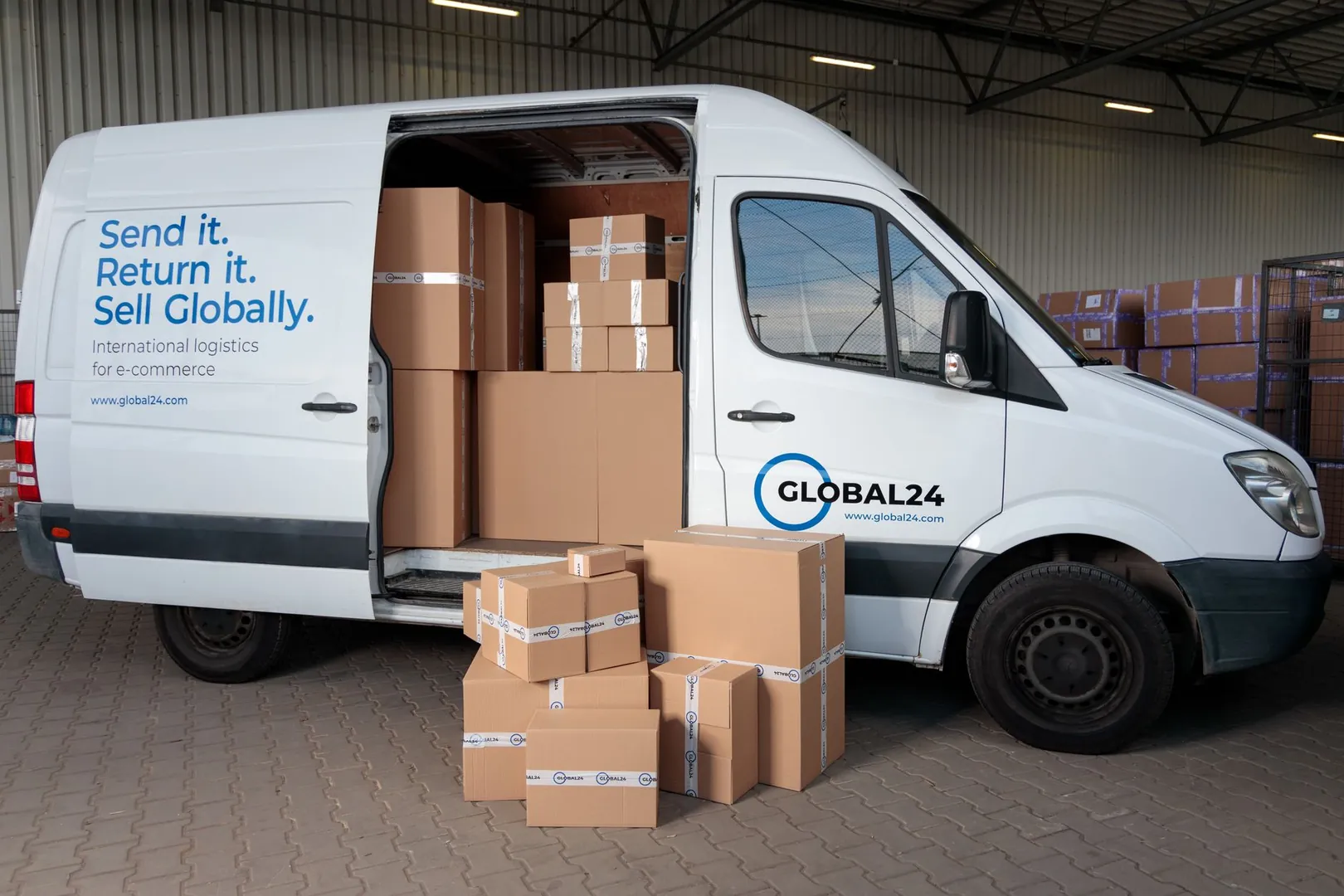
Efficient fulfillment and logistics are critical to your DTC strategy as you scale. Your ability to deliver products accurately and on time directly impacts customer satisfaction and repeat business. Evaluate whether to keep fulfillment in-house or partner with a Third-Party Logistics (3PL) provider.
In-house fulfillment offers maximum control but requires significant investment in warehouse space, staff, and technology. A 3PL can handle warehousing, picking, packing, and shipping, freeing up your time to focus on marketing and product development. This can be an excellent solution for brands experiencing rapid growth or those without the capital for their own logistics infrastructure.
Regardless of your choice, robust inventory management is essential. Implement systems that track stock levels, manage returns, and predict demand to avoid overselling or stockouts. Negotiate favourable shipping rates and clearly communicate delivery timelines to manage customer expectations effectively.
Data-Driven Decision Making
As your DTC brand grows, the volume of data you collect becomes immense, offering powerful insights. Leveraging analytics is no longer optional; it’s a necessity for informed decision-making. Integrate tools like Google Analytics with your eCommerce platform to track website traffic, conversion rates, customer behaviour, and marketing campaign performance.
Go beyond surface-level metrics and dive into deeper analyses. Understand customer segments, product performance, and the effectiveness of different marketing channels. Use this data to identify opportunities for optimisation, such as improving product pages, refining ad targeting, or streamlining the checkout flow.
A/B testing is a powerful technique for continuous improvement. Test different headlines, product images, CTAs, or email subject lines to see what resonates best with your audience. Data provides the evidence needed to make strategic changes that positively impact your bottom line. Establish clear Key Performance Indicators (KPIs) for every aspect of your business and monitor them regularly.
Expanding Your Product Line & Markets
Scaling often involves expanding beyond your initial product offering and potentially into new geographic markets. Listen closely to customer feedback and analyse purchasing patterns to identify opportunities for new product development. Are customers asking for complementary items? Are there natural extensions to your existing line?
Introducing new products should align with your core brand identity and address genuine customer needs. Launch new products strategically, using your established marketing channels to generate excitement. For geographic expansion, research new markets thoroughly, considering local preferences, legal requirements, and logistical challenges.
This might involve localising your website, customer service, and marketing efforts. Partnerships with local influencers or distributors can also facilitate smoother entry into new regions. Don’t spread yourself too thin; strategic expansion is about calculated risks and thorough preparation.
Building a Repeat Customer Base
While customer acquisition is vital, the long-term profitability of a Direct-to-Consumer brand hinges on building a strong base of repeat customers. It costs significantly less to retain an existing customer than to acquire a new one. Implementing strategies that foster loyalty will ensure sustainable growth.
Loyalty programs, such as points systems, tiered rewards, or exclusive access, incentivise repeat purchases and make customers feel valued. Subscription models, where applicable, offer recurring revenue and build strong customer habits around your product. Think of how Dollar Shave Club mastered this.
An exceptional post-purchase experience is paramount. This includes timely order updates, beautiful and branded packaging, and follow-up communication to ensure satisfaction. Delight your customers with unexpected touches, like a handwritten note or a small complimentary gift. Ask for reviews and feedback, showing that you care about their experience even after the sale is complete.
Common DTC Challenges & How to Overcome Them
While the Direct-to-Consumer model offers immense opportunities, it’s not without its hurdles. Understanding these common challenges and proactively planning for them is key to sustained success. Many brands stumble when scaling if they haven’t anticipated these potential roadblocks.
You need to be agile and resourceful, constantly adapting your DTC strategy to navigate the ever-evolving eCommerce landscape. Preparedness transforms obstacles into opportunities for innovation.
- Rising Ad Costs: As more brands enter the DTC space, competition for ad space on platforms like Meta and Google drives up costs.
- Solution: Diversify your customer acquisition channels beyond paid ads. Invest heavily in SEO, content marketing, email marketing, and organic social media growth. Focus on improving your ad creative and targeting to increase conversion rates and lower effective CAC. Build a strong brand that naturally attracts customers.
- Logistical Complexities: Managing inventory, warehousing, and shipping can become overwhelming as order volumes increase, especially with international expansion.
- Solution: Invest in robust inventory management software early on. Explore partnerships with 3PL providers that specialise in eCommerce fulfillment. Automate as many logistical processes as possible to reduce human error and increase efficiency. Clearly define your shipping policies and set realistic customer expectations.
- Customer Churn: Attracting new customers is one thing, but keeping them coming back is another. High churn rates can cripple even fast-growing brands.
- Solution: Prioritise customer experience at every touchpoint. Implement loyalty programs, subscription services, and personalised communication. Actively solicit feedback and address pain points promptly. Offer exceptional post-purchase support and create a sense of community around your brand.
- Brand Differentiation in a Crowded Market: With so many DTC brands launching, standing out from the crowd can be challenging.
- Solution: Continuously refine your unique selling proposition (USP). Tell your brand story authentically and consistently across all channels. Focus on niche markets where you can be the leader. Innovate with product features, design, or a superior customer experience that competitors can’t easily replicate. Don’t be afraid to be bold and distinctive.
The Future of Direct-to-Consumer
The Direct-to-Consumer landscape is constantly evolving, driven by technological advancements and shifting consumer expectations. Successful DTC brands will be those that anticipate these changes and adapt their strategies accordingly. Staying ahead of the curve is essential for long-term relevance and growth.
You should continuously explore emerging technologies and consumer trends to keep your brand at the forefront. The future promises even more personalised and immersive shopping experiences.
- Personalisation at Scale: Advanced AI and machine learning will enable hyper-personalisation, offering unique product recommendations, content, and even pricing for individual customers. This moves beyond basic segmentation to truly one-to-one marketing.
- Web3 and Blockchain Implications: The rise of Web3 technologies, including NFTs and decentralised commerce, could offer new ways for brands to engage with customers, build loyalty through digital assets, and offer transparent supply chain tracking. While nascent, it’s a space worth watching.
- Hybrid Models (Pop-ups, Experiential Retail): While “direct-to-consumer” implies online, many brands are exploring hybrid models. This includes temporary pop-up shops, brand activations, and experiential retail spaces that allow customers to physically interact with products and the brand story. This blends the best of online convenience with offline engagement.
- Sustainability and Ethical Sourcing: Consumers are increasingly prioritising brands with strong sustainability practices and ethical supply chains. DTC strategy will increasingly need to incorporate these values not just as marketing points, but as core operational principles. Transparency will be key.
- Voice Commerce and Conversational AI: As smart speakers and virtual assistants become more prevalent, optimising for voice search and integrating conversational AI into the customer journey will become crucial. This offers new avenues for discovery and frictionless purchasing.
Conclusion
Launching and scaling a Direct-to-Consumer brand is an exciting yet challenging journey that demands strategic vision, relentless execution, and a deep understanding of your customer. By embracing the principles outlined in this playbook, you can build a resilient brand that connects authentically with its audience, drives sustainable growth, and carves out a unique space in the market. The power of DTC lies in its ability to foster direct relationships, offering unparalleled control and invaluable insights.
Focus on building a strong brand identity, mastering customer acquisition and retention, and continuously optimising your operations for scale. The future of retail is direct, and by mastering the Direct-to-Consumer model, you are positioning your brand for enduring success. Start building your legacy today, one direct customer relationship at a time.
Frequently Asked Questions (FAQs)
What are the initial costs to start a DTC brand?
Initial costs for starting a Direct-to-Consumer brand can vary widely depending on your product, scale, and platform choice. Key expenses include product development and inventory (which can be significant), eCommerce platform fees (Shopify plans start around $39/month), website design and development, branding and marketing materials, and initial customer acquisition spend (paid ads). You’ll also need to factor in packaging, shipping supplies, and potential legal fees for business registration. A lean startup might begin with a few thousand dollars, while more complex ventures could require tens of thousands or more.
How long does it take to see success with DTC?
Seeing “success” with a Direct-to-Consumer brand is subjective and depends on your definition. Generating initial sales can happen within weeks of launch, especially with effective paid advertising. However, building a profitable, sustainable, and scalable brand that generates significant revenue and a loyal customer base typically takes 1-3 years or even longer. It’s a marathon, not a sprint, requiring continuous effort in eCommerce marketing, product refinement, and customer experience optimisation.
Is DTC only for certain types of products?
No, the Direct-to-Consumer model is incredibly versatile and applicable to a vast array of product types. While it gained popularity with consumer goods like mattresses, beauty products, and apparel, it’s successfully used for everything from specialty foods and pet supplies to electronics, home goods, and even services. The key is that your product solves a problem, offers unique value, and can be effectively marketed directly to the end consumer. Products with higher margins, those requiring strong brand storytelling, or items benefitting from a subscription model are often particularly well-suited for DTC.
What’s the biggest challenge for DTC brands?
One of the biggest challenges for Direct-to-Consumer brands is customer acquisition cost (CAC), especially as the market becomes more saturated and competition for ad space intensifies. Relying too heavily on paid advertising can quickly erode margins. Other significant challenges include achieving efficient fulfillment and logistics at scale, building brand awareness without traditional retail visibility, and constantly delivering an exceptional customer experience to foster loyalty and combat churn. You need a diversified strategy to overcome these hurdles.
How important is customer service in DTC?
Customer service is absolutely paramount for Direct-to-Consumer brands. Since you own the entire customer relationship, every interaction, good or bad, directly reflects on your brand. Exceptional customer experience builds trust, fosters loyalty, generates positive word-of-mouth, and significantly reduces churn. Poor customer service, conversely, can quickly damage your reputation and drive customers to competitors. It’s a critical component of your DTC strategy that directly impacts retention and lifetime value.


Leave a comment