
Best Shipping for Fragile Items Small Business: 12 Packing Tips to Prevent Damage
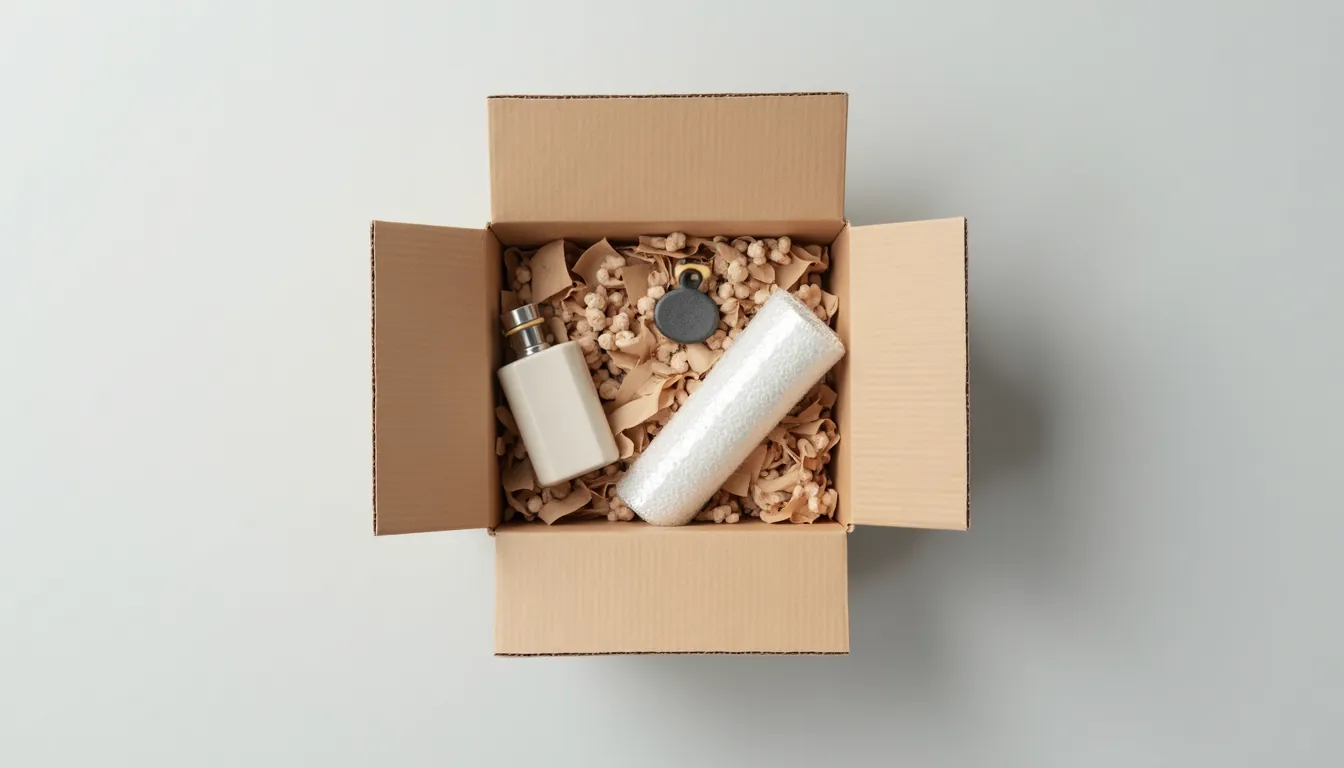
You’re running a small business, and every item you send out is a piece of your hard work. There’s nothing worse than hearing a customer received a damaged product. Shipping fragile items can feel like a gamble, but it doesn’t have to be. With the right techniques and a little know-how, you can drastically prevent shipping damage and ensure your delicate products arrive safely every time.
This comprehensive guide will walk you through 12 essential packing tips to secure your fragile goods. We’ll explore the best shipping for fragile items small business owners can adopt, focusing on methods that protect your valuable inventory. By following these fragile product packaging methods, you’ll not only protect your products but also enhance customer satisfaction and save money in the long run.
Why Proper Packaging is Key for Your Small Business
For a small business, every single shipment matters. A damaged item doesn’t just mean a refund or replacement; it can also hurt your reputation. Customers expect their orders to arrive in perfect condition. When you prioritize ecommerce shipping protection, you are investing in your brand’s future.
Poor packaging leads to unhappy customers, negative reviews, and increased costs for you. This guide offers fragile product packaging tips to make sure that doesn’t happen. We’ll show you how to pack fragile items for shipping effectively, turning a potential headache into a smooth process.
12 Essential Fragile Product Packaging Tips for Small Businesses
Here are the top strategies and an ecommerce packaging guide to help you ship delicate items with confidence. These fragile product packaging methods are designed to minimize risk and maximize protection. Each tip contributes to the overall safety of your item, from selecting the right box to securing it within.
1. Choose the Right Box Size and Strength
Selecting the correct box is the very first step in proper fragile product packaging. You need a box that’s strong enough to withstand handling but not so large that your item can move too much inside. Always use a new, sturdy corrugated cardboard box for fragile shipments. Used boxes might be weaker from previous shipping stress.
For the best shipping for fragile items small business owners should avoid reusing boxes with old labels or tears. A good rule of thumb is to choose a box that allows at least two inches of cushioning material around all sides of your item. This space is crucial for absorbing shocks during transit.
2. Double Boxing for Extra Safety
When dealing with extremely fragile or valuable items, the double boxing method offers superior protection. This technique involves placing your packed item inside a larger, second box. You first pack your item securely in its initial box using appropriate cushioning materials.
Then, you place this smaller, packed box inside a larger box, filling the space between the two boxes with even more cushioning. This creates an extra layer of shock absorption, making it an excellent ecommerce shipping protection strategy. It’s one of the best shipping for fragile items small business owners can use for high-value goods like ceramics or electronics.
3. The Power of Bubble Wrap: Your Bubble Wrap Packaging Guide
Bubble wrap is a go-to material for protecting fragile items, and mastering its use is key. Always wrap your item completely with several layers of bubble wrap, ensuring all corners and edges are covered. The bubbles should be facing inwards, towards the item, for maximum cushioning. Secure the bubble wrap with packing tape so it doesn’t unravel during transit.
For a comprehensive bubble wrap packaging guide, remember that larger bubbles are better for heavier, larger items, while smaller bubbles suit lighter, more delicate pieces. Don’t be shy with the wrap; more layers provide more protection. This is a crucial step in how to pack fragile items for shipping effectively.
4. Fill Every Void with Packing Peanuts or Airbags
Empty space inside your package is an enemy of fragile items. Any movement during transit can lead to damage. After wrapping your item, use void fillers like packing peanuts, air pillows, or crumpled paper to fill all remaining gaps in the box. This prevents the item from shifting around.
Packing peanuts are great for irregular shapes, while air pillows offer lighter, cleaner void fill. For an effective ecommerce shipping protection strategy, ensure your item feels snug and doesn’t move when you gently shake the box. This critical step is vital for the best shipping for fragile items small business owners can achieve.
5. Use Strong, Pressure-Sensitive Packing Tape
Not all tapes are created equal when it comes to shipping fragile items. Regular household tape won’t cut it. You need strong, pressure-sensitive packing tape (at least 2 inches wide) to seal your boxes securely. Apply tape generously to all seams and edges of the box.
Use the “H” taping method, taping down the middle seam and then across the two side seams. This method reinforces the box and prevents flaps from opening. Investing in good quality tape is a small cost that provides significant ecommerce shipping protection.
6. Label Clearly: “Fragile” and “This Way Up”
While proper packaging is your primary defense, clear labeling acts as an important visual warning. Place “FRAGILE” stickers prominently on multiple sides of the box. If your item has a specific orientation, use “THIS WAY UP” arrows to guide handlers.
These labels serve as a reminder to shipping personnel to handle the package with extra care. While it doesn’t guarantee careful handling, it certainly increases the chances. You can often get these labels directly from your shipping carrier or purchase them online.
7. Consider Custom Inserts or Foam for Unique Items
For items with unusual shapes or very high fragility, custom inserts or foam can provide unparalleled protection. These materials are molded to fit around your specific product, holding it firmly in place within the box. You can find pre-cut foam inserts or even DIY foam-in-place kits.
While a bit more expensive, custom inserts offer the ultimate fragile product packaging methods for irreplaceable or high-value goods. This method significantly reduces movement and impact, making it an excellent choice for specialized ecommerce shipping protection.
8. Protect Against Moisture and Environmental Factors
Fragile items aren’t just susceptible to impact; they can also be damaged by moisture, dust, or extreme temperatures. For electronics, papers, or items susceptible to water damage, consider placing them in a sealed plastic bag before packaging. This adds a layer of protection against unexpected leaks or humidity.
For some items, especially art or sensitive materials, climate-controlled shipping might be necessary, though it comes at a higher cost. Basic moisture protection is a simple, cost-effective fragile product packaging tip.
9. Perform a “Shake Test” on Your Package
Once your package is sealed, give it a gentle shake. If you hear or feel your item moving around inside, it means there’s still too much void space. Go back and add more packing peanuts, air pillows, or crumpled paper until the item is snug.
This simple “shake test” is a quick and effective way to ensure you’ve done your job. It’s a crucial final check in your how to pack fragile items for shipping process. A silent box is a happy box, and a great indicator of the best shipping for fragile items small business owners can achieve.
10. Insure Your Shipments (Especially for Valuable Items)
Even with the best packaging, accidents can sometimes happen. For valuable fragile items, purchasing shipping insurance is a smart financial safety net. Most carriers offer insurance options, allowing you to recover the cost of your item if it gets lost or damaged.
Understand the insurance coverage limits and what documentation you’ll need to file a claim. This extra step provides peace of mind and is a crucial part of comprehensive ecommerce shipping protection. It’s a key consideration for the best shipping for fragile items small business operations should incorporate.
11. Choose the Right Shipping Carrier and Service
Different shipping carriers (like USPS, FedEx, UPS, DHL) offer various services and levels of care. Research which carrier has the best track record for handling fragile items in your area. Some carriers also offer specialized services for delicate or oversized items. Always compare their fragile item handling policies and insurance options.
For example, USPS Priority Mail offers fast service, but for very delicate items, you might look into services from FedEx or UPS that have specific fragile item handling options or require special labeling. Always check their specific packaging guidelines, for example, FedEx Packaging Guidelines or UPS Packaging Advisors. Choosing the right carrier is integral to the best shipping for fragile items small business owners can choose.
12. Document Everything: Photos Before Shipping
Before you seal your box, take clear photos of your item. Capture images of the item itself, then as it’s being wrapped, and finally, inside the box with all cushioning materials. Also, take photos of the sealed, labeled package. This documentation is invaluable if you need to file an insurance claim.
These photos serve as proof that your item was in perfect condition and properly packaged before it left your hands. It’s a simple, free step that provides powerful ecommerce shipping protection. This step is a vital fragile product packaging tip that offers an extra layer of security.
Your Fragile Item Shipping Cost Estimator
Understanding shipping costs is crucial for any small business, especially when dealing with fragile items that might require extra care and materials. This simple calculator will help you estimate the base shipping cost for your fragile items, taking into account weight and distance.
Shipping Cost Estimator for Fragile Items
How to Use the Calculator:
- Item Weight (lbs): Enter the estimated weight of your packaged item in pounds. This includes the item itself and all packaging materials.
- Shipping Distance (miles): Input the approximate distance your package will travel. You can often estimate this using online mapping tools.
- Fragile Premium (%): This is an additional percentage cost for handling fragile items. We’ve set a default of 10%, but you can adjust it based on your carrier’s charges or your perceived risk.
Click “Calculate Cost” to get an estimated shipping price. This calculator provides a basic estimate; actual costs will vary based on carrier, service level, exact dimensions, and origin/destination.
Beyond Packing: Your Ecommerce Packaging Guide for Fragile Success
Packing fragile items correctly is just one part of the equation. For a small business, a holistic approach to ecommerce shipping protection is vital. This includes not only the physical packaging but also your entire shipping process and customer communication.
Think about the end-to-end journey of your product. From when it leaves your hands to when it reaches your customer, every step can be optimized for safety. This broader ecommerce packaging guide helps ensure your business thrives.
Consistency in Packaging
Once you find the fragile product packaging methods that work best for your specific items, stick with them. Develop standard operating procedures for packing different types of fragile goods. This consistency ensures every customer receives the same high level of protection. Training your team on these specific fragile product packaging tips is also crucial for maintaining quality.
Having a uniform approach helps streamline your packing process. It also makes it easier to track and improve your ecommerce shipping protection over time.
Clear Communication with Customers
If you’re shipping something extremely fragile, consider informing your customer about your robust packaging process. Let them know you’ve taken extra steps to ensure safe delivery. You can include a small note in the package or mention it in their shipping confirmation email. This adds value and builds trust.
Also, clearly communicate your policy for damaged items. Having a clear, easy-to-understand process for returns or replacements if damage occurs can turn a negative experience into a positive one. This transparency is key to the best shipping for fragile items small business reputation.
Supplier Relationships for Packaging Materials
Developing good relationships with your packaging material suppliers can lead to better deals and reliable stock. Bulk purchasing of bubble wrap, boxes, packing peanuts, and tape can save you money. Look for suppliers who understand the needs of small businesses and offer competitive pricing.
For example, consider suppliers like Uline or PackagingSupplies.com for a wide range of materials. Having a steady supply of high-quality materials is fundamental for consistent fragile product packaging methods.
Reviewing and Improving Your Process
Periodically review your shipping process. Track instances of damaged items and try to identify patterns. Was it a specific packaging material that failed? Or a particular carrier route? Use this data to refine your fragile product packaging methods. Continuous improvement is an important part of any ecommerce packaging guide.
Customer feedback, even negative feedback about damaged goods, is an opportunity to learn. It helps you perfect how to pack fragile items for shipping and ultimately achieve the best shipping for fragile items small business owners can provide.
Frequently Asked Questions (FAQs)
We’ve covered a lot of ground on the best shipping for fragile items small business owners can adopt. Here are answers to some common questions you might still have.
Q1: What is the best way to ship fragile items?
The best way to ship fragile items involves a combination of methods: choosing a strong, new box, using ample cushioning like bubble wrap and void fill, and potentially double-boxing for extra protection. Labeling the package clearly as “FRAGILE” is also important. These fragile product packaging methods work together to minimize movement and absorb impacts.
Q2: How do you pack fragile items for shipping to prevent damage?
To prevent damage, follow these key steps: wrap items individually in several layers of bubble wrap, place them in a sturdy box, fill all empty spaces with void filler (peanuts, air pillows), and seal the box with strong packing tape. Don’t forget the “shake test” to ensure no internal movement. These fragile product packaging tips are designed for maximum safety.
Q3: What materials are best for fragile product packaging?
The best materials include new, corrugated cardboard boxes, ample bubble wrap (with bubbles facing inwards), packing peanuts, air pillows, or crumpled kraft paper for void fill, and strong, pressure-sensitive packing tape. For very delicate items, custom foam inserts or corrugated cardboard dividers can also be highly effective. These are essential for robust ecommerce shipping protection.
Q4: Should I always insure fragile shipments?
For valuable fragile items, absolutely. Shipping insurance provides a financial safety net in case of loss or damage, even with the best packaging. For lower-value items, you might weigh the cost of insurance against the item’s value and your risk tolerance. It’s a key part of the best shipping for fragile items small business owners consider.
Q5: How can small businesses save on fragile item shipping costs?
You can save by optimizing box size to avoid dimensional weight surcharges, negotiating rates with carriers if you ship frequently, and purchasing packaging materials in bulk. Also, consider flat-rate shipping options for items that fit. While some fragile product packaging methods might cost more initially, preventing damage ultimately saves money on returns and replacements. Comparing carriers for the best shipping for fragile items small business owners can get is also crucial.
Q6: Can I use newspaper for cushioning fragile items?
While crumpled newspaper can fill some void space, it’s generally not as effective as bubble wrap or packing peanuts for true cushioning. Newspaper can also transfer ink to your product. It’s better for light void fill around already-wrapped items, but not as the primary protective layer. For optimal ecommerce shipping protection, invest in proper materials.
Q7: What is dimensional weight and how does it affect my fragile shipping costs?
Dimensional weight (DIM weight) is a pricing technique carriers use where the shipping cost is based on the package’s volume (length x width x height) rather than its actual weight, if the DIM weight is higher. This means if you use an oversized box for a light item, you could pay more. Always try to use the smallest possible box that still allows for adequate cushioning for your fragile product packaging.
Conclusion
Shipping fragile items doesn’t have to be a source of stress for your small business. By implementing these 12 essential fragile product packaging methods, you can significantly reduce the risk of damage. From choosing the right box and mastering bubble wrap to carefully filling voids and clearly labeling your packages, every step contributes to safe delivery.
Remember, the best shipping for fragile items small business owners can achieve relies on a combination of smart packaging, clear communication, and ongoing process improvement. Invest in quality materials, understand your shipping options, and always prioritize the safety of your products. Your customers, and your bottom line, will thank you.




Leave a comment