
Ecommerce for Handmade Jewelry Sellers: Platforms, Marketing & Pricing Tips

Hello, aspiring jewelry artisans! Are you ready to unlock some vital jewelry marketing secrets and learn how to truly shine in the digital world? This guide is perfect for ecommerce for handmade jewelry sellers, helping you navigate the exciting journey of selling your beautiful creations online. We will explore the best platforms, smart marketing tricks, and clever pricing strategies to boost your business. Get ready to turn your passion into a thriving online store.
Getting Started: Why Ecommerce is Your Best Friend
Selling handmade jewelry online opens up a huge world of possibilities. You can reach customers far beyond your local craft fairs. This means more people can discover your unique pieces. It’s a fantastic way to grow your brand and connect with fellow jewelry lovers.
Building an online presence allows you to share your story and the craftsmanship behind each item. This personal touch is what makes handmade jewelry so special. It builds trust and a strong connection with your customers. Embrace the digital age to showcase your artistic talent to a global audience.
Choosing the Best Platform to Sell Handmade Jewelry
One of the first big steps for ecommerce for handmade jewelry sellers is picking the right place to sell your items. Think of it like choosing the perfect gallery for your art. Different jewelry ecommerce platforms offer various tools and reach. Your choice depends on your business goals and technical comfort.
Marketplaces: Ready-Made Homes for Your Craft
Marketplaces are popular choices because they already have many shoppers looking for unique items. They make it easy to set up shop quickly. These platforms handle many technical details for you.
Etsy: The Handmade Haven
Etsy is often the first place people think of when selling handmade goods. It’s a vibrant community specifically for artisans and crafters. Millions of buyers visit Etsy every day looking for unique jewelry. This makes it a fantastic starting point for many sellers.
Setting up an Etsy shop is straightforward and user-friendly. You can list your items with photos and descriptions easily. Etsy also handles payment processing and offers tools for managing your orders. However, you will pay listing fees, transaction fees, and a percentage of your sales.
It’s a great place to get discovered by customers already interested in handmade items. You can learn more about starting on Etsy by visiting their official seller handbook [Link to Etsy Seller Handbook]. Many sellers find it to be the best platform to sell handmade jewelry for its community feel.
Amazon Handmade: Reaching a Broader Audience
Amazon Handmade is part of the giant Amazon marketplace, but specifically for handcrafted goods. It allows you to tap into Amazon’s massive customer base. This can mean a huge potential for sales. Getting approved for Amazon Handmade requires an application process.
They verify that your items are truly handmade. Once approved, you get access to Amazon’s powerful selling tools. You can also offer Prime shipping, which is very attractive to many customers. The fees can be higher than Etsy, but the exposure is immense.
Consider Amazon Handmade if you want to reach a vast audience and are ready for potentially higher volume sales. It’s a more competitive environment but offers significant growth potential. It’s a strong contender among jewelry ecommerce platforms for ambitious sellers.
Your Own Store: Building Your Own Brand Hub
Having your own website gives you complete control over your brand and customer experience. You own the platform, so you dictate the rules and design. This can be more work to set up, but offers incredible freedom and branding opportunities.
Shopify: Your Customizable Online Boutique
Shopify is a powerful platform that lets you create a professional online store from scratch. You get to design every part of your shop to match your brand’s look and feel. It comes with many features for managing products, orders, and customer information.
While there’s a monthly subscription fee, Shopify provides excellent tools for growth. You can easily add apps for marketing, shipping, and more. It integrates well with social media and other sales channels. Many successful ecommerce for handmade jewelry sellers use Shopify for its flexibility.
Building your own Shopify store means you are fully responsible for attracting traffic. You’ll need to work on your marketing strategies. It’s an investment in your brand’s future. You can explore their plans and features on the Shopify website [Link to Shopify].
BigCommerce: Scalable Solutions for Growing Brands
BigCommerce is another robust platform similar to Shopify, designed for businesses of all sizes. It offers powerful features for selling, marketing, and managing your store. It’s known for its strong SEO capabilities and advanced tools. This can be beneficial as your business grows.
Like Shopify, BigCommerce requires a monthly subscription. It provides a highly customizable storefront. You can integrate with various payment gateways and shipping providers. It’s a solid choice for sellers looking for a platform that can grow with them.
For serious sellers wanting full control and scalability, BigCommerce is a strong option. It ensures your store can handle increasing sales and product lines. This platform helps you build a lasting online presence.
Social Media Selling: Direct Sales Where Your Audience Is
Social media platforms are not just for sharing photos; they’ve become powerful sales channels too. Many platforms offer direct selling features. This allows customers to buy without leaving their favorite app.
Instagram Shopping: Visual Appeal Meets Direct Sales
Instagram is a highly visual platform, making it perfect for showcasing beautiful jewelry. You can tag products in your posts and stories, allowing users to click and buy directly. This creates a seamless shopping experience. It’s a fantastic jewelry marketing tip for visual products.
Setting up Instagram Shopping requires linking your Instagram business profile to a Facebook Page Shop. This allows you to create a product catalog. Many ecommerce for handmade jewelry sellers find great success here. You can engage with your audience and drive sales all in one place.
Facebook Shops: Easy Setup, Broad Reach
Facebook Shops allow you to create a storefront directly on your Facebook business page. This is another easy way for customers to browse and buy your jewelry. You can link your product catalog from an existing ecommerce platform or upload it directly.
Facebook Shops are free to create and can be a good starting point for social selling. They integrate with Instagram as well. This allows you to manage your products across both platforms. Use these tools to reach your audience where they spend their time.
Platform Comparison Snapshot
Here’s a quick look at some popular jewelry ecommerce platforms to help you decide:
| Feature/Platform | Etsy | Amazon Handmade | Shopify | Instagram Shopping |
|---|---|---|---|---|
| Best For | New sellers, niche market | Broader reach, existing Amazon customers | Full brand control, scalability | Visual brands, direct sales |
| Ease of Setup | Very Easy | Moderate (application) | Moderate | Moderate (Facebook Shop) |
| Fees | Listing, transaction, ad fees | Referral fees, monthly subscription (optional) | Monthly subscription, transaction fees | None (requires Facebook Shop) |
| Brand Control | Limited | Limited | High | Moderate |
| Marketing Tools | Basic | Advanced | Extensive (apps) | In-app promotions |
| Target Audience | Handmade enthusiasts | General consumers | Specific brand followers | Social media users |
Carefully consider these points to choose the best platform to sell handmade jewelry for your unique situation.
Crafting Your Online Store: Making It Irresistible
Once you pick your platform, it’s time to make your store shine. Your online presence is your storefront, and it needs to be inviting. This is where your creativity truly comes into play.
Product Photography: Showing Off Your Sparkle
Amazing photos are probably the single most important factor for ecommerce for handmade jewelry sellers. Since customers can’t touch or try on your jewelry, your photos must do all the work. High-quality images make your pieces look desirable. They help customers visualize wearing them.
Use good lighting, preferably natural daylight. Avoid harsh shadows that hide details. Take photos from multiple angles, showing the front, back, and sides of your jewelry. Include a close-up shot to highlight textures and intricate details. Also, take lifestyle photos showing someone wearing the jewelry. This helps customers imagine themselves with your beautiful creations.
Ensure a clean, uncluttered background that doesn’t distract from the jewelry. White or light-colored backgrounds often work best. Use a simple prop, like a piece of wood or a stone, to add context without overwhelming the piece. Consistent photography across all your listings builds a professional brand image.
Compelling Product Descriptions: Telling Your Story
Your product descriptions are more than just a list of materials. They are an opportunity to tell the story behind your jewelry. Describe the inspiration, the materials used, and the craftsmanship involved. This connects with customers on an emotional level.
Include all the important details: dimensions, weight, materials, and any special care instructions. Use descriptive words that evoke emotion and highlight the unique qualities of your piece. For example, instead of “silver earrings,” try “dainty sterling silver earrings featuring intricate filigree.” Be sure to include relevant keywords that customers might use when searching.
Consider your target audience and write in a tone that resonates with them. A well-written description can turn a browser into a buyer. It answers questions before they are even asked, making the purchasing decision easier. This is a crucial jewelry marketing tip for increasing conversions.
Branding Your Jewelry Business: Making It Memorable
Your brand is more than just a logo; it’s the entire experience customers have with your business. Think about your unique style, your values, and the message you want to send. Consistency in your brand’s look and voice builds recognition and trust.
Choose a memorable business name and create a simple, elegant logo. Use consistent colors and fonts across your website, social media, and packaging. This creates a cohesive and professional image. Your branding should reflect the beauty and quality of your handmade jewelry.
Every interaction, from your website design to your packaging, contributes to your brand. A strong brand helps you stand out in a crowded market. It makes your jewelry instantly recognizable and helps customers remember you.
Marketing Your Handmade Jewelry Online
Once your store is looking fantastic, it’s time to spread the word. Effective jewelry marketing online is key to driving traffic and sales. There are many strategies you can use, both free and paid, to get your jewelry in front of the right people.
Social Media Marketing: Engage and Inspire
Social media is a powerful tool for ecommerce for handmade jewelry sellers. It allows you to connect directly with your audience and showcase your products visually. Different platforms appeal to different audiences, so choose where your ideal customers spend their time.
Instagram: Your Visual Storyteller
Instagram is a natural fit for jewelry. Share stunning photos and short videos of your pieces. Show your creative process, behind-the-scenes glimpses, and finished products. Use relevant hashtags to reach new audiences. For example, #handmadenecklace, #jewelrydesign, or #artisanjewelry.
Engage with your followers by responding to comments and messages. Run contests or polls to boost interaction. Collaborate with influencers or other small businesses. Instagram Stories and Reels are excellent for showing your jewelry in action. This is a vital jewelry marketing tip for building a community.
Pinterest: The Discovery Engine
Pinterest acts like a visual search engine where users save ideas and inspiration. Create beautiful pins featuring your jewelry, linking directly back to your product pages. Organize your pins into relevant boards, like “Wedding Jewelry” or “Gift Ideas for Her.” Optimize your pin descriptions with keywords.
Pinterest has a long shelf life for content, meaning your pins can continue to drive traffic months after they’re published. Focus on high-quality images and clear calls to action. It’s a fantastic platform for discoverability and driving passive traffic to your shop.
Facebook: Community Building and Targeted Ads
While Instagram is visual, Facebook is great for building communities and running targeted ads. Create a business page where you can share updates, photos, and engage with your followers. Join relevant Facebook groups to share your expertise and subtly promote your work.
Facebook’s advertising platform allows you to target specific demographics, interests, and behaviors. This means you can show your jewelry ads to people most likely to buy them. Even a small ad budget can make a big impact when used strategically.
Email Marketing: Building Lasting Relationships
Email marketing is one of the most effective ways to communicate with your customers directly. It allows you to build a personal relationship and keep them updated on new products, sales, and special offers. Start building an email list from day one.
Offer an incentive for signing up, like a discount on their first purchase or early access to new collections. Send regular newsletters with engaging content, behind-the-scenes stories, and product showcases. Segment your list to send more personalized messages.
Email marketing has a high return on investment. It’s a direct line to people who have already shown interest in your brand. Nurture these relationships to turn one-time buyers into loyal customers.
SEO Basics: Getting Found in Searches
Search Engine Optimization (SEO) helps your online store rank higher in search results. This means more people will find your jewelry when they search on Google or other engines. It’s all about using the right words and structuring your website well.
Identify keywords that potential customers might use to find your jewelry. For example, “sterling silver pendant,” “handmade gemstone earrings,” or “personalized initial necklace.” Use these keywords naturally in your product titles, descriptions, and blog posts. Don’t stuff keywords, as this can hurt your ranking.
Ensure your website loads quickly and is mobile-friendly. Google favors websites that provide a good user experience. Creating blog content related to jewelry (e.g., “How to Care for Your Silver Jewelry”) can also attract organic traffic. Learning about SEO is a powerful jewelry marketing tip for long-term growth.
Content Marketing: Sharing Your Expertise
Content marketing involves creating valuable content that attracts and engages your target audience. This could be blog posts, videos, or tutorials related to handmade jewelry. For example, you could write a blog post about “The History of Gemstones” or create a video showing your jewelry-making process.
By sharing valuable information, you establish yourself as an expert. This builds trust and credibility with potential customers. When they are ready to buy jewelry, they will remember your brand. Content marketing also helps with SEO by providing more opportunities to include keywords.
Consider a blog on your Shopify store or a dedicated section on your website. Share your content on social media to reach a wider audience. This strategy helps attract people who might not be ready to buy immediately but are interested in your niche.
Collaborations: Expanding Your Reach
Partnering with other businesses or influencers can introduce your jewelry to new audiences. Look for complementary brands, like handmade clothing stores or beauty bloggers, whose audiences align with yours. You could do a joint giveaway, cross-promote each other’s products, or create exclusive pieces.
When choosing influencers, look for those whose values align with your brand and who have an engaged audience. Authenticity is key for successful collaborations. This can be a very cost-effective jewelry marketing tip for increasing visibility.
Pricing Your Handmade Jewelry: Getting It Right
One of the trickiest parts for ecommerce for handmade jewelry sellers is figuring out how much to charge. You need to cover your costs, pay yourself fairly, and still be competitive. A well-thought-out handmade jewelry pricing strategy is crucial for profitability.
Understanding Your Costs: The Foundation of Pricing
Before you can set a price, you need to know exactly what it costs to make each piece. Don’t forget any part of the process. This includes all materials, your time, and even the “hidden” costs.
Materials Cost: Every Little Bead Counts
Add up the cost of every single component that goes into a piece of jewelry. This includes beads, wire, clasps, chains, gemstones, and findings. Don’t forget things like packaging materials specific to that item, if applicable. Even small components add up over time. Keep track of your supplier invoices to calculate accurate material costs.
Labor Cost: Your Time is Valuable
Your time is your most valuable asset. Decide on an hourly rate for yourself. This rate should reflect your skill, experience, and the time it takes to create a piece. Be realistic about how long each step takes, from design to finishing. Don’t undervalue your artistic effort.
Calculate the total time spent on a piece and multiply it by your hourly rate. This gives you your labor cost. Many artisans struggle with paying themselves enough, but it’s essential for a sustainable business. Remember, you are a professional and your skills deserve compensation.
Overhead Costs: The Business Essentials
Overhead costs are the expenses of running your business that aren’t directly tied to making one specific piece of jewelry. These are important for a comprehensive handmade jewelry pricing guide. Examples include:
- Website hosting fees
- Platform fees (Etsy, Shopify subscriptions)
- Marketing and advertising expenses
- Tools and equipment (depreciation)
- Studio rent or utilities
- Insurance
- Photography equipment or services
- Business licenses
You’ll need to allocate a portion of these overall costs to each piece you sell. A simple way to do this is to add up your monthly overhead, then divide it by the number of pieces you expect to sell in a month. This gives you an average overhead cost per item.
Formulas and Methods: Putting Numbers to Work
Once you know your costs, you can use various formulas to arrive at a selling price. These formulas help ensure you’re making a profit.
Simple Cost-Plus Pricing
A basic handmade jewelry pricing strategy is cost-plus pricing.
Cost of Materials + Cost of Labor + Overhead per Item = Total Cost
Total Cost x (Desired Profit Margin % / 100) = Profit Amount
Total Cost + Profit Amount = Wholesale Price
Wholesale Price x 2 (or more) = Retail Price
A common approach for retail is to multiply your total cost by 2 or 2.5. This helps cover your time and gives you room for profit. If you sell wholesale, your wholesale price is typically half of your retail price.
The Keystone Method
The Keystone Method is a simple way to set a retail price.
Total Cost x 2 = Wholesale Price
Wholesale Price x 2 = Retail Price
This method gives you a good starting point for pricing. It’s widely used in retail to ensure sufficient profit margins. However, it might not always be appropriate for unique, very high-end pieces where value-based pricing might be better.
Value-Based Pricing: What It’s Worth to Your Customer
Sometimes, your jewelry’s value goes beyond just the materials and time. Unique designs, rare materials, or special artistic techniques can command a higher price. This is where value-based pricing comes in. It considers what your customer is willing to pay for your unique creations.
Think about the perceived value of your brand, the story behind your pieces, and the emotions they evoke. If your jewelry is truly one-of-a-kind, you can often charge more. Don’t undersell your artistry. Research similar quality items from other artists to gauge market perception.
Competitive Pricing: Knowing Your Market
It’s important to know what similar handmade jewelry is selling for. Research your competitors on platforms like Etsy or Instagram. This doesn’t mean you should copy their prices, but it gives you a benchmark. If your prices are significantly higher or lower, you should understand why.
If your prices are much higher, ensure your quality, design, or brand story justifies it. If they are too low, you might be underselling your work and losing potential profit. Find a balance that reflects your value and is appealing to your target market. This is an important part of any handmade jewelry pricing guide.
Handmade Jewelry Pricing Calculator
To help you with your handmade jewelry pricing strategy, here’s a simple calculator. You can use this to quickly estimate a good retail price based on your costs. Just fill in your details, and it will do the math for you! This is a great tool for any ecommerce for handmade jewelry sellers.
1
2
3
4
5
6
7
8
9
10
11
12
13
14
15
16
17
18
19
20
21
22
23
24
25
26
27
28
29
30
31
32
33
34
35
36
37
38
39
40
41
42
43
44
45
46
47
48
49
50
51
52
53
54
55
56
57
58
59
60
61
62
63
64
65
66
67
68
69
70
71
72
73
74
75
76
77
78
79
80
81
82
83
84
85
86
87
88
89
90
91
92
93
94
95
96
97
98
99
100
101
102
103
104
105
106
107
108
109
110
111
112
113
114
115
116
117
118
119
120
121
122
123
124
125
126
<style>
  .calculator-container {
    font-family: Arial, sans-serif;
    max-width: 500px;
    margin: 20px auto;
    padding: 20px;
    border: 1px solid #ddd;
    border-radius: 8px;
    background-color: #f9f9f9;
  }
  .calculator-container h4 {
    text-align: center;
    color: #333;
    margin-bottom: 20px;
  }
  .calculator-container label {
    display: block;
    margin-bottom: 8px;
    font-weight: bold;
    color: #555;
  }
  .calculator-container input[type="number"] {
    width: calc(100% - 20px);
    padding: 10px;
    margin-bottom: 15px;
    border: 1px solid #ccc;
    border-radius: 4px;
    box-sizing: border-box;
  }
  .calculator-container button {
    background-color: #4CAF50;
    color: white;
    padding: 12px 20px;
    border: none;
    border-radius: 4px;
    cursor: pointer;
    font-size: 16px;
    width: 100%;
    margin-top: 10px;
  }
  .calculator-container button:hover {
    background-color: #45a049;
  }
  .calculator-container .results {
    margin-top: 20px;
    padding-top: 15px;
    border-top: 1px solid #eee;
  }
  .calculator-container .results p {
    margin-bottom: 5px;
    color: #333;
  }
  .calculator-container .results p strong {
    color: #000;
  }
</style>

<div class="calculator-container">
  <h4>Handmade Jewelry Pricing Calculator</h4>
  <p>Use this tool to help determine your retail selling price.</p>

  <label for="materialCost">Material Cost ($):</label>
  <input type="number" id="materialCost" value="10">

  <label for="hourlyRate">Your Hourly Rate ($):</label>
  <input type="number" id="hourlyRate" value="25">

  <label for="timeSpent">Time Spent (hours, e.g., 0.5 for 30 mins):</label>
  <input type="number" id="timeSpent" value="1">

  <label for="overheadPerItem">Overhead Cost Per Item ($):</label>
  <input type="number" id="overheadPerItem" value="5">

  <label for="profitMargin">Desired Retail Markup (e.g., 2.5 for 250% of cost):</label>
  <input type="number" id="profitMargin" value="2.5">


<script async src="https://pagead2.googlesyndication.com/pagead/js/adsbygoogle.js?client=ca-pub-2784742237479601"
     crossorigin="anonymous"></script>
<ins class="adsbygoogle"
     style="display:block; text-align:center;"
     data-ad-layout="in-article"
     data-ad-format="fluid"
     data-ad-client="ca-pub-2784742237479601"
     data-ad-slot="7340313511"></ins>
<script>
     (adsbygoogle = window.adsbygoogle || []).push({});
</script>


  <button onclick="calculatePrice()">Calculate Price</button>

  <div class="results">
    <p><strong>Total Item Cost:</strong> <span id="totalCostResult">$0.00</span></p>
    <p><strong>Suggested Retail Price:</strong> <span id="retailPriceResult">$0.00</span></p>
    <p><em>(Wholesale price would typically be around half of the retail price)</em></p>
  </div>
</div>

<script>
  function calculatePrice() {
    const materialCost = parseFloat(document.getElementById('materialCost').value);
    const hourlyRate = parseFloat(document.getElementById('hourlyRate').value);
    const timeSpent = parseFloat(document.getElementById('timeSpent').value);
    const overheadPerItem = parseFloat(document.getElementById('overheadPerItem').value);
    const profitMargin = parseFloat(document.getElementById('profitMargin').value);

    // Validate inputs
    if (isNaN(materialCost) || isNaN(hourlyRate) || isNaN(timeSpent) || isNaN(overheadPerItem) || isNaN(profitMargin)) {
      alert("Please enter valid numbers for all fields.");
      return;
    }

    const laborCost = hourlyRate * timeSpent;
    const totalItemCost = materialCost + laborCost + overheadPerItem;

    // A common retail markup is 2x-3x the total cost, profitMargin here acts as that multiplier
    const suggestedRetailPrice = totalItemCost * profitMargin;

    document.getElementById('totalCostResult').textContent = `$${totalItemCost.toFixed(2)}`;
    document.getElementById('retailPriceResult').textContent = `$${suggestedRetailPrice.toFixed(2)}`;
  }

  // Calculate on load with default values
  window.onload = calculatePrice;
</script>
How to Use the Calculator:
- Material Cost: Enter the total cost of all materials for one piece of jewelry.
- Your Hourly Rate: How much you want to pay yourself per hour (e.g., $20, $30).
- Time Spent: How many hours it takes you to make one piece (e.g., 0.5 for 30 minutes, 1 for 1 hour).
- Overhead Cost Per Item: Your monthly overhead costs divided by the number of items you expect to sell monthly.
- Desired Retail Markup: This is a multiplier for your total cost. A common range is 2 to 3. For example, 2.5 means your retail price will be 2.5 times your total cost.
This calculator gives you a good starting point. Remember to adjust based on your unique designs, market demand, and brand positioning. It’s a key part of your handmade jewelry pricing guide.
Tips for Long-Term Success in Ecommerce
Building a successful online jewelry business is a marathon, not a sprint. Consistency, learning, and excellent customer service are vital for sustained growth. Here are some extra tips for ecommerce for handmade jewelry sellers.
Exceptional Customer Service: Your Best Marketing Tool
Happy customers are repeat customers, and they’re also your best advertisers. Respond quickly and kindly to all inquiries. Be transparent about your policies, shipping times, and any potential issues. Go the extra mile to make every customer feel valued.
A personalized thank-you note with each order can make a huge difference. Resolving problems gracefully can turn a negative experience into a positive one. Word-of-mouth referrals from satisfied customers are invaluable.
Shipping and Packaging: The Unboxing Experience
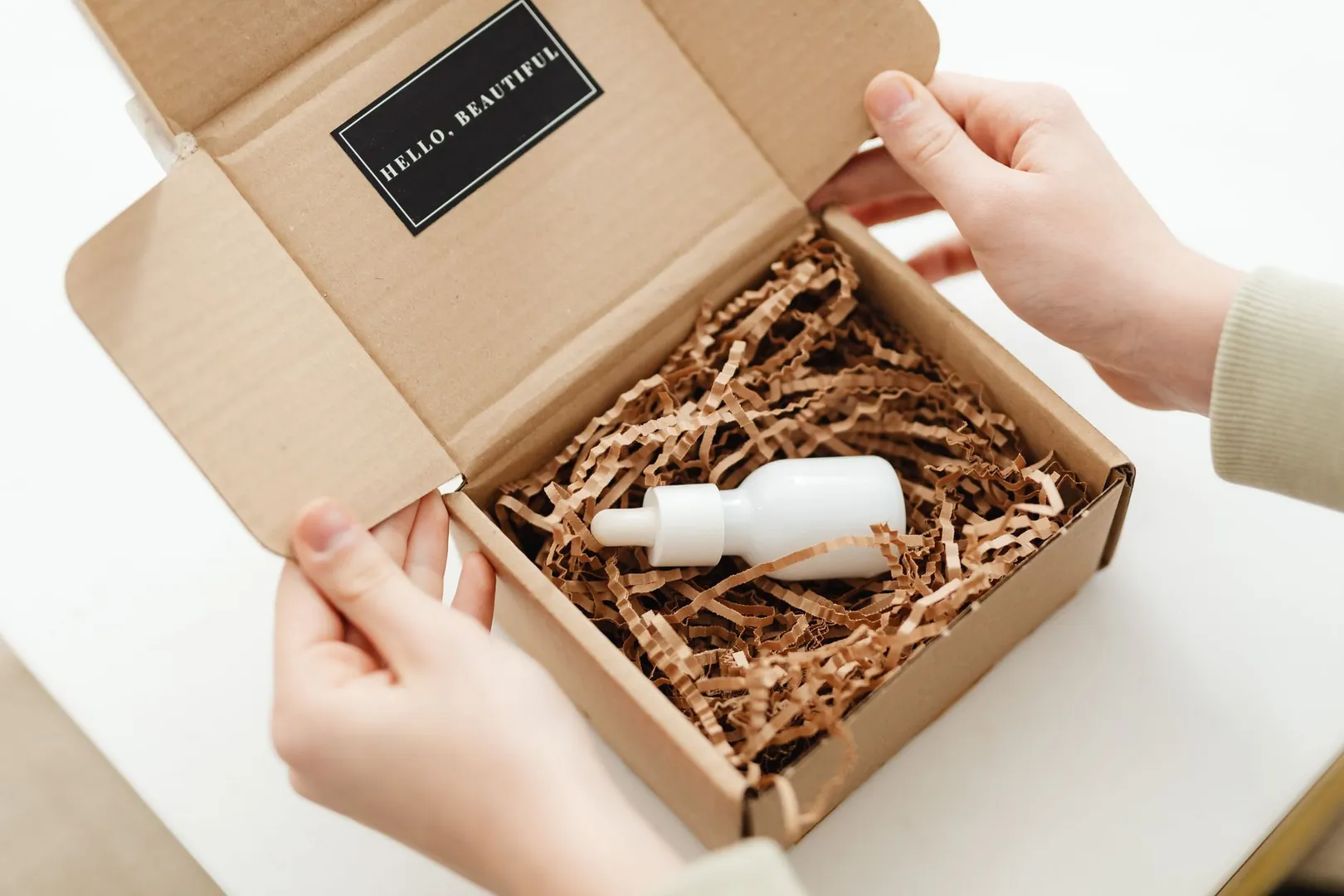
The moment a customer opens your package is part of their experience with your brand. Invest in quality, branded packaging that protects your jewelry and excites the customer. Use sturdy boxes or padded envelopes. Include tissue paper, a small care card, and your business card.
Offer clear shipping options and costs. Consider offering free shipping if you can absorb the cost into your pricing. Provide tracking information so customers can follow their order. Timely and secure shipping builds trust and encourages future purchases.
Legal Considerations: Protecting Your Business
As your business grows, remember to handle the legal side of things. Register your business if required in your area. Understand sales tax obligations for your location and where you sell. Have clear shop policies regarding returns, exchanges, and privacy.
Protect your intellectual property by understanding copyright and trademark laws. While this might seem overwhelming at first, addressing these aspects early on ensures a smooth journey. Resources like the Small Business Administration [Link to SBA or similar government small business resource] can provide guidance.
Continuous Learning and Adaptation
The online world is always changing. Stay curious and keep learning about new marketing trends, platform updates, and jewelry-making techniques. Follow industry leaders, read blogs, and attend webinars. Experiment with new ideas and analyze your results.
Adapt your strategies based on what works and what doesn’t. Your first approach might not be perfect, and that’s okay. The most successful ecommerce for handmade jewelry sellers are those who are always willing to learn and evolve.
Frequently Asked Questions (FAQ)
Here are some common questions many ecommerce for handmade jewelry sellers have:
Q1: What is the absolute best platform for a beginner to sell handmade jewelry?
A1: For beginners, Etsy is often recommended as the best platform to sell handmade jewelry. It has a built-in audience interested in handmade goods, is easy to set up, and offers good support for new sellers. It’s a great place to start learning the ropes.
Q2: How can I take good product photos without expensive equipment?
A2: You don’t need fancy gear! Use natural light near a window, a simple white or light-colored background (like a poster board), and your smartphone camera. Focus on clear, well-lit shots from different angles. Many online tutorials can teach you how to get great photos with just your phone.
Q3: How often should I post on social media to market my jewelry?
A3: Consistency is more important than frequency. Aim for at least 3-5 posts per week on platforms like Instagram, but adjust based on what feels sustainable for you and what gets the best engagement from your audience. Quality over quantity always wins.
Q4: Is it better to offer free shipping or charge for it?
A4: Free shipping is very attractive to customers and can increase conversions. If you offer it, make sure you’ve factored the shipping cost into your product pricing to avoid losing money. If you charge for it, be transparent about the cost upfront.
Q5: How do I handle returns for handmade jewelry?
A5: Clearly state your return policy on your shop pages. Decide if you accept returns, exchanges, or only if an item is damaged. Be fair and consistent. Some sellers offer returns within a certain timeframe for unworn items, while personalized items are often non-returnable.
Q6: How can I make my handmade jewelry stand out from competitors?
A6: Focus on your unique story, design aesthetic, and high-quality craftsmanship. Use excellent photography, engaging product descriptions, and consistent branding. Offer exceptional customer service. Consider a specific niche (e.g., minimalist jewelry, bohemian styles, sustainable materials) to attract a dedicated audience.
Q7: What’s a good profit margin for handmade jewelry?
A7: A good profit margin aims to cover all your costs (materials, labor, overhead) and provide a healthy profit for growth. Many businesses aim for a retail markup that results in a 50-70% profit margin on the total cost. Use the pricing calculator and review your numbers regularly. This is crucial for a sound handmade jewelry pricing strategy.
Conclusion
Embarking on the journey of ecommerce for handmade jewelry sellers is an exciting adventure. By choosing the right platforms, implementing smart jewelry marketing online strategies, and using a solid handmade jewelry pricing guide, you can build a successful and fulfilling business. Remember to be patient, persistent, and always put your passion into every step.
Your unique creations deserve to be seen and cherished by customers worldwide. With these tips and tools, you are well-equipped to unlock your own jewelry marketing secrets and create a thriving online presence for your beautiful handmade jewelry. Start building your dream business today!



Leave a comment