
Master Cross-Border eCommerce: Your Gateway to Global Sales Success
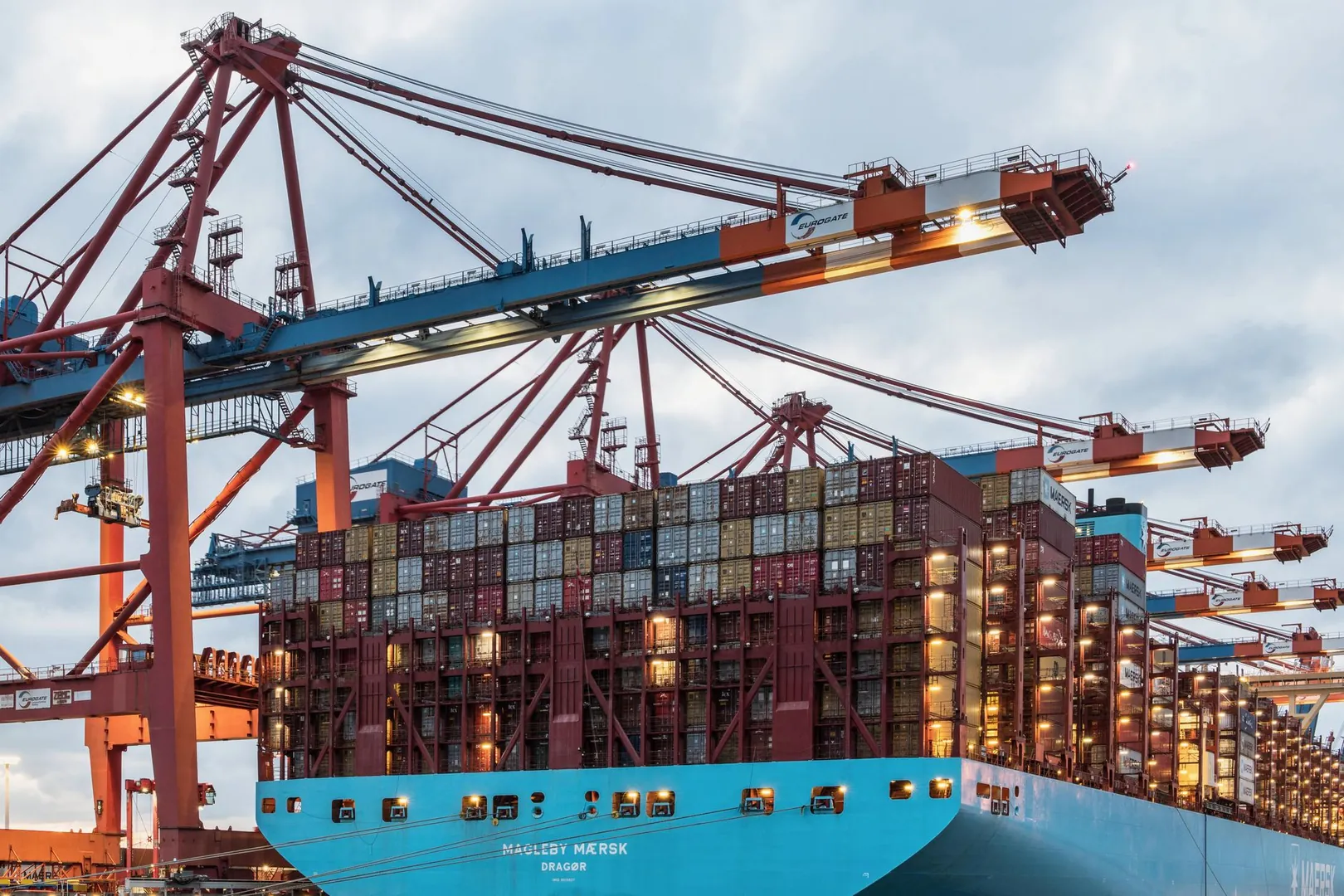
Sell worldwide, effortlessly. The digital age has shattered geographical boundaries, transforming the way businesses operate and customers shop. Embracing cross-border eCommerce is no longer an option but a strategic imperative for sustained growth and amplified revenue. It unlocks a world of new customers and opportunities, extending your brand’s reach far beyond local markets.
This comprehensive guide will serve as your blueprint to navigating the exciting, yet complex, landscape of international online sales. You’ll discover how to leverage cross-border eCommerce to achieve global sales success, from initial market research to seamless international payments and efficient eCommerce logistics. Prepare to transform your online store into a global powerhouse.
Why Embrace Cross-Border eCommerce? The Global Opportunity
The digital marketplace is vast and growing, offering unprecedented opportunities for expansion. Domestic markets can become saturated, limiting your growth potential. Cross-border eCommerce provides a direct path to scaling your business exponentially.
By extending your reach, you can tap into diverse consumer bases hungry for unique products. This global perspective is crucial for long-term business resilience and innovation. It also helps in future-proofing your brand against regional economic fluctuations.
Tapping into New Markets
Imagine your product resonating with millions more potential customers. Cross-border eCommerce allows you to access these untapped markets, where demand for your niche might be significantly higher. You can overcome local market saturation by finding entirely new customer segments. This strategy broadens your horizons and multiplies your potential sales volume.
The internet makes it easier than ever to connect with international buyers. Many regions have growing middle classes and increasing internet penetration, presenting lucrative opportunities. Your next big customer base could be thousands of miles away.
Diversifying Revenue Streams
Relying solely on a single domestic market can be risky. Economic downturns, shifts in consumer preferences, or increased competition can significantly impact your bottom line. Cross-border eCommerce offers a powerful antidote by diversifying your revenue streams. You spread your financial risk across multiple geographies, creating a more stable and robust business model.
When one market experiences a slowdown, sales in another can help maintain overall business health. This strategic diversification provides a buffer and ensures more consistent profitability. It’s a smart move for long-term stability.
Gaining a Competitive Edge
Many businesses hesitate to venture internationally due to perceived complexities. By mastering cross-border eCommerce, you can position your brand ahead of competitors. Being an early mover in certain international niches can secure significant market share. This establishes your brand as a global player.
Enhanced brand visibility on a global scale also fosters trust and credibility. Customers often perceive internationally available brands as more reputable and established. This competitive advantage translates into stronger brand equity and customer loyalty.
Decoding the Cross-Border eCommerce Landscape: Key Considerations
Before diving headfirst into global sales, strategic planning is paramount. Understanding the nuances of international markets is crucial for success. This involves thorough research and careful consideration of various factors.
You need to identify where your products will resonate most effectively. A well-thought-out ecommerce global expansion strategy minimizes risks and maximizes potential returns. Let’s explore the foundational steps.
Market Research and Target Audience Identification
Identifying the right markets is the cornerstone of any successful market expansion. You need to understand local demographics, purchasing power, and cultural preferences. Tools like Google Analytics can reveal existing international traffic to your site. Google Trends helps identify product demand in specific regions.
Conducting surveys and analyzing competitor activity in target countries can provide invaluable insights. This research helps you tailor your offerings and localized marketing efforts. A data-driven approach ensures you invest your resources wisely.
Product Suitability and Localization
Not every product is suitable for every market. Assess demand, legal restrictions, and cultural relevance of your products in potential target countries. Certain items might be prohibited from import or require specific certifications. You must ensure your products comply with local standards.
Consider if your product needs adaptation to better suit local tastes or functionality. This might involve minor tweaks or more significant redesigns. Sometimes, a product needs a different name or packaging to resonate culturally.
Legal and Regulatory Compliance
Navigating international laws is a critical aspect of cross-border eCommerce. Data privacy regulations like GDPR (Europe) and CCPA (California) apply to customers worldwide, not just residents. You must ensure your privacy policy and data handling practices are compliant. Product-specific regulations, such as CE marking for goods sold in the EU, are also crucial.
Understanding consumer protection laws in each target market is equally important. Failing to comply can lead to hefty fines and damage to your brand reputation. Always consult legal counsel when entering new markets.
Building Your Global Sales Machine: Essential Pillars of Cross-Border eCommerce
Establishing a robust infrastructure is vital for seamless international operations. Your cross-border eCommerce success hinges on reliable platforms, efficient logistics, and secure payment processing. Each pillar supports your journey to global sales.
Focusing on these core areas will streamline your operations and enhance the customer experience. This holistic approach ensures every aspect of your international sales strategy works in harmony.
Your eCommerce Platform: The Global Foundation
Your chosen eCommerce platform must support your global ambitions. Look for features like multi-currency display, multi-language capabilities, and scalable infrastructure. Platforms like Shopify, BigCommerce, or Magento offer robust solutions for international sellers. Shopify, for example, has excellent built-in international selling features or apps.
Ensure your platform can integrate with international shipping carriers and cross-border payment gateways. The right platform streamlines operations, making it easier to manage a global customer base. It serves as the central hub for all your international transactions.
Global Shipping and eCommerce Logistics
Efficient global shipping is arguably the most critical component of cross-border eCommerce. Customers expect timely and predictable delivery, regardless of their location. You need a reliable eCommerce logistics strategy to manage everything from warehousing to final delivery. This is where international shipping for online stores becomes a key differentiator.
Work with established international carriers like DHL, FedEx, UPS, or national postal services for broader reach. Consider using a 3PL (third-party logistics) provider specializing in cross-border eCommerce to handle fulfillment and shipping complexities. A 3PL can offer better rates and expertise in customs procedures.
Choosing a Global Shipping Strategy: A Step-by-Step Framework
- Assess Product Attributes: Consider size, weight, value, and fragility of your items. Hazardous materials have additional restrictions.
- Research Target Market Shipping Costs: Obtain quotes from various carriers to common destination countries. Understand typical delivery times.
- Determine Shipping Options for Customers: Offer a range from economy to express. Clearly communicate delivery windows and costs.
- Choose Incoterms: Decide between Delivered Duty Paid (DDP) or Delivered Duty Unpaid (DDU). DDP means you handle duties/taxes upfront, offering a better customer experience. DDU shifts this responsibility to the customer.
- Select Shipping Software/Integrations: Use tools that integrate with your eCommerce platform for label generation, tracking, and customs documentation.
- Consider Fulfillment Centers/3PLs: For high volume or diverse markets, local fulfillment can significantly reduce costs and transit times.
- Plan for Returns: Establish a clear and easy international returns policy. This builds customer trust.
International Payments: Seamless Transactions
Offering a variety of international payments options is crucial for converting global shoppers. Beyond major credit cards, consider popular local payment methods in your target markets. Alipay and WeChat Pay are essential for China, while Sofort is popular in Germany, for example.
Utilize cross-border payment gateways like Stripe, PayPal, or Adyen, which support multiple currencies and local payment methods. These gateways also offer robust fraud detection features, vital for international transactions. Clearly display prices in the customer’s local currency.
Currency conversion rates can impact profitability, so choose gateways with transparent fee structures. Always prioritize security to protect both your business and your customers’ financial information. A smooth checkout experience reduces cart abandonment significantly.
Customs, Duties, and Taxes: Navigating the Complexities
This is often the most daunting aspect of cross-border eCommerce, but it doesn’t have to be. Understanding customs clearance, duty calculation, and various international taxes is non-negotiable. Mismanagement can lead to delays, unexpected costs, and frustrated customers. Every country has its own set of rules.
You’ll need to correctly classify your products using HS (Harmonized System) codes. These universal codes determine the applicable duties and taxes. Be aware of VAT (Value Added Tax) in Europe, GST (Goods and Services Tax) in countries like Canada and Australia, and other local sales taxes. As mentioned, deciding between DDP (Delivered Duty Paid) and DDU (Delivered Duty Unpaid) is critical. DDP generally offers a superior customer experience, as the buyer knows the total cost upfront. This transparency is key to avoiding hidden fees and building trust.
Interactive Tool: Cross-Border Duty & Tax Estimator
Estimating duties and taxes can be complex, but transparency is key for cross-border eCommerce customers. Use this simple calculator to give your customers an idea of potential costs. This helps them avoid surprises and makes their purchasing decision easier.
Disclaimer: This calculator provides estimates only and should not be considered definitive. Actual duties and taxes may vary based on country-specific regulations, real-time exchange rates, and specific customs assessments. Always advise customers to check local customs authorities for precise figures.
Cross-Border Duty & Tax Estimator
Estimated Costs:
Product Value: $100.00
Estimated Duty: $5.00
Estimated Sales Tax/VAT: $21.00
Shipping Cost: $15.00
Total Estimated Cost (DDP): $141.00
*This tool provides estimates. Actual costs may vary.
Mastering Market Expansion and Localized Marketing
Attracting international customers requires more than just translating your website. Localized marketing means understanding and catering to cultural nuances. It’s about speaking to your audience in a way that truly resonates. Effective market expansion strategies are deeply rooted in localization.
This involves adapting your entire customer experience, from product descriptions to customer service. By truly localizing, you build stronger connections and foster brand loyalty.
Localization Beyond Language
Localization extends far beyond simple language translation. It involves adapting content, imagery, and even user experience to fit the cultural context of a region. Consider local holidays, customs, and sensitivities when designing campaigns. This level of detail shows respect and understanding for your target audience.
You should also localize payment options, as discussed, and currency display. Customer support in local languages during appropriate time zones is another vital aspect. A truly localized experience makes international customers feel valued and understood.
Global Marketplaces vs. Own Store
Deciding where to sell is a critical part of your ecommerce global expansion strategy. You have the choice of leveraging existing global marketplaces or focusing on your own direct-to-consumer (DTC) website. Each approach has distinct advantages and disadvantages. Many businesses find success by combining both strategies.
| Feature | Global Marketplaces (e.g., Amazon, eBay, Etsy) | Own eCommerce Store (e.g., Shopify, BigCommerce) |
|---|---|---|
| Reach | Instant access to millions of active international buyers. | Requires significant localized marketing effort to attract traffic. |
| Trust/Credibility | Customers inherently trust established platforms. | You build trust over time, showcasing brand values. |
| Setup & Maintenance | Relatively easy setup, platform handles much of the complexity. | Full control over design, branding, and customer experience. |
| Brand Control | Limited branding opportunities, highly templated. | Complete creative control, stronger brand storytelling. |
| Fees | Commission fees, listing fees, fulfillment fees, advertising costs. | Subscription fees, transaction fees (payment gateways), advertising costs. |
| Competition | High competition, often price-driven. | Compete less on price, more on value and brand experience. |
| Data Access | Limited customer data access; platform owns the customer relationship. | Full access to customer data for analytics and retargeting. |
| Fulfillment | Often offers fulfillment services (e.g., FBA for Amazon). | You manage eCommerce logistics or use a 3PL. |
| Flexibility | Rules and policies dictated by the marketplace. | Complete flexibility to adapt to market needs quickly. |
Marketplaces offer a quick entry point and built-in audience, ideal for initial testing. Your own store provides ultimate brand control and direct customer relationships. A hybrid approach often yields the best results. You can use marketplaces for high-volume products while directing loyal customers to your own site.
SEO for International Reach
Optimizing your site for international search engines is vital for organic traffic. Implement hreflang tags to tell search engines which language and geographical targeting your pages are intended for. This prevents duplicate content issues and directs users to the correct version of your site. Geo-targeting settings in Google Search Console are also important.
Conduct thorough local keyword research using tools like Google Keyword Planner or SEMrush. Translate keywords, but also adapt them to local phrasing and search habits. Building local backlinks can also boost your authority in specific regions.
International Marketing Channels
Once you understand your target market, choose appropriate marketing channels. Social media platforms vary in popularity by region; Facebook might dominate in some, while WeChat or Line are essential elsewhere. Targeted PPC (Pay-Per-Click) campaigns can be highly effective when localized. Remember to translate ad copy carefully and ensure cultural appropriateness.
Consider affiliate marketing with local partners or influencer marketing using local personalities. These strategies can quickly build trust and reach a relevant audience. Analyze the performance of each channel with Google Analytics to continuously optimize your spend.
Best Practices for Cross-Border eCommerce Success
Successfully expanding internationally is an ongoing journey of learning and adaptation. Adhering to certain best practices will significantly improve your chances of success. These guidelines streamline operations and enhance the customer experience.
By implementing these strategies, you can minimize common pitfalls and build a resilient global business. Focus on continuous improvement and customer satisfaction.
- Start Small, Test and Learn: Don’t try to conquer every market at once. Select a few promising countries based on your research, test your approach, and learn from initial feedback. Gradually expand as you gain confidence and data.
- Transparent Pricing: Always display all costs upfront, including product price, shipping fees, duties, and taxes. Use DDP (Delivered Duty Paid) whenever possible to avoid unexpected charges for the customer. This builds trust and reduces cart abandonment.
- Excellent Customer Service: Provide multilingual customer support in relevant time zones. A quick and helpful response to international queries significantly enhances satisfaction. Clearly communicate shipping times and return policies.
- Clear Returns and Refunds Policy: International returns can be complex and costly. Have a clearly defined, easy-to-understand policy that is easily accessible on your website. Consider local return centers or partners for easier processing.
- Data Analytics and Continuous Optimization: Use tools like Google Analytics to track international sales, conversion rates, and customer behavior. Analyze this data to identify what’s working and what isn’t, then optimize your strategies accordingly. A/B test localized content and marketing messages.
- Secure Payment Processing: Prioritize PCI compliance and employ robust fraud detection tools. International transactions can be more susceptible to fraud, so robust security measures are crucial. Partner with reputable
cross-border payment gateways. - Localize Product Descriptions and Reviews: Translate product descriptions accurately and consider adding culturally relevant details. Showcase reviews from international customers to build social proof in new markets.
Common Challenges and How to Overcome Them
Venturing into cross-border eCommerce comes with its unique set of hurdles. Anticipating these challenges allows you to develop proactive solutions. Effective problem-solving is key to sustained global growth.
Don’t let these obstacles deter you; instead, see them as opportunities for innovation. Understanding common pitfalls helps you mitigate risks.
- High Shipping Costs:
- Solution: Negotiate better rates with carriers for higher volumes. Utilize freight forwarders or 3PLs with bulk shipping discounts. Consider offering tiered shipping options (economy, standard, express) to give customers choices. Explore local fulfillment centers in high-volume regions.
- Payment Fraud:
- Solution: Implement advanced fraud detection tools offered by
cross-border payment gatewayslike Stripe or PayPal. Use AVS (Address Verification System) and CVV checks. Be wary of large, first-time international orders and unusual shipping addresses.
- Solution: Implement advanced fraud detection tools offered by
- Returns Management:
- Solution: Clearly communicate your return policy. For high-value items, consider localized return centers or offering customers the option to keep lower-value damaged items for a partial refund. Focus on product quality to reduce returns.
- Compliance Headaches:
- Solution: Invest in expert advice for legal, tax, and customs compliance in target markets. Use DDP shipping to simplify duty and tax collection for customers. Stay updated on international trade regulations, as they can change frequently.
- Currency Fluctuations:
- Solution: Price products in local currencies but monitor exchange rates regularly. Use a payment gateway that locks in exchange rates at the time of transaction or allows you to hold funds in different currencies. Factor in a buffer for currency swings when setting prices.
- Language and Cultural Barriers:
- Solution: Invest in professional translation and localization services, not just machine translation. Hire local customer support staff or use AI-powered translation tools for basic queries. Continuously learn about cultural nuances in your target markets.
Frequently Asked Questions (FAQs)
What is cross-border eCommerce?
Cross-border eCommerce refers to the online buying and selling of goods or services between a seller located in one country and a buyer in another. It allows businesses to sell globally, expanding their customer base beyond domestic borders. This broadens market expansion significantly.
How do I calculate customs duties for eCommerce?
Customs duties for eCommerce are typically calculated based on the product’s value, type (using HS codes), country of origin, and the destination country’s regulations. Our interactive tool above provides a basic estimate. However, for precise figures, you’ll need to consult official customs websites or use specialized duty calculation software.
What are the best cross-border eCommerce solutions?
The “best” solutions depend on your business size and needs. For platforms, Shopify, BigCommerce, and Magento offer robust cross-border eCommerce features. For international payments, Stripe, PayPal, and Adyen are popular. For global shipping, DHL, FedEx, and UPS are major players, often integrated with 3PL providers specializing in eCommerce logistics.
How can I handle international shipping for online stores?
Handling international shipping for online stores involves choosing reliable carriers, understanding Incoterms (like DDP vs. DDU), and preparing accurate customs documentation (HS codes, commercial invoices). You can manage it in-house or partner with a 3PL (third-party logistics) provider. Offering transparent shipping costs and tracking is crucial.
What are the key steps for an eCommerce global expansion strategy?
A robust ecommerce global expansion strategy involves several key steps: conducting thorough market research, assessing product suitability, ensuring legal compliance, choosing the right eCommerce platform, setting up international payments, optimizing eCommerce logistics and global shipping, and implementing localized marketing efforts. Start small and iterate.
Which are the best cross-border payment gateways?
Some of the best cross-border payment gateways include Stripe, PayPal, and Adyen. These platforms support multiple currencies, offer various local payment methods, and provide robust fraud detection tools. They streamline the international payments process, making it easier to accept money from global customers.
How do I market my products to an international audience?
Marketing products to an international audience requires localized marketing. This means more than just translation; it involves adapting content, imagery, and messaging to cultural nuances. Utilize international SEO (hreflang tags), target specific global marketplaces, and run localized social media or PPC campaigns based on your market research.
The world truly is your marketplace. Mastering cross-border eCommerce is an ambitious yet incredibly rewarding endeavor, offering unparalleled opportunities for market expansion and brand growth. By understanding the intricacies of global shipping, international payments, customs clearance, and localized marketing, you can confidently navigate the global landscape.
Embrace the journey, leverage the right tools, and prioritize a seamless customer experience from click to delivery. Your gateway to global sales success is wide open. Take the leap and transform your online store into a thriving international business.




Leave a comment