
Mastering AI & Same-Day Delivery: Future-Proof Your eCommerce Operations
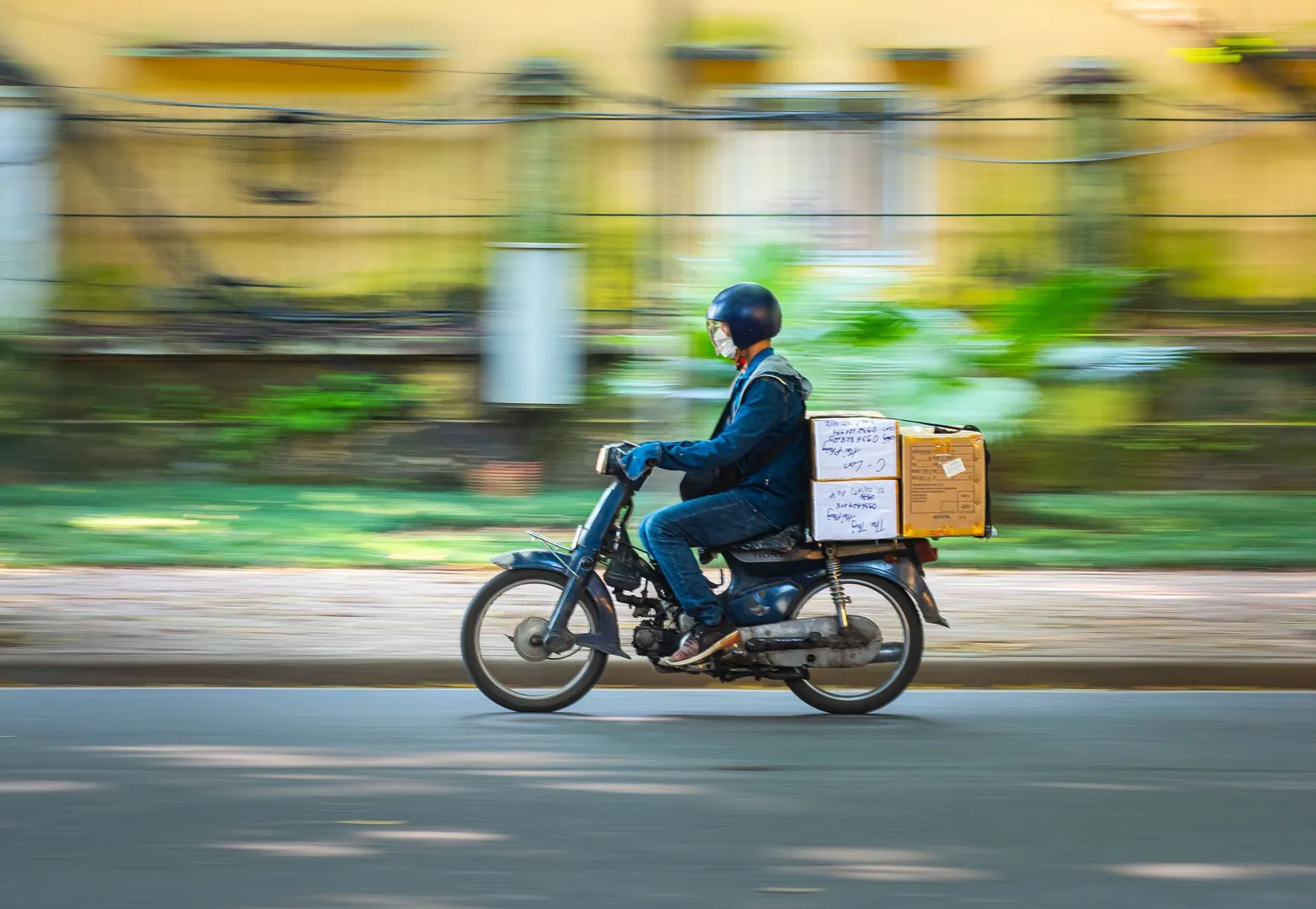
Mastering AI & Same-Day Delivery: Future-Proof Your eCommerce Operations
The landscape of online retail is evolving at an unprecedented pace. Today, success hinges not just on what you sell, but on how fast and efficiently you can get it into your customers’ hands. Embrace AI, deliver fast – this isn’t merely a catchy slogan, it’s the strategic imperative for any business looking to thrive in the modern digital economy.
The relentless march of technology and ever-increasing customer expectations mean that traditional fulfillment models are no longer sufficient. To truly future-proof your eCommerce operations, you must harness the power of AI and same-day delivery. This powerful synergy is reshaping how businesses manage inventory, optimize logistics, and ultimately, satisfy their demanding customer base.
The Imperative of Same-Day Delivery in Modern eCommerce
In today’s hyper-connected world, instant gratification is not a luxury, but an expectation. Customers have grown accustomed to near-instant access to information, entertainment, and now, their online purchases. This shift in customer expectations delivery is primarily fueled by giants like Amazon, who have normalized expedited shipping options.
For your eCommerce business, offering expedited shipping like same-day delivery is no longer just a competitive advantage; it’s becoming a baseline requirement. Research consistently shows that delivery speed is a major factor influencing purchasing decisions and repeat business. Failure to meet these expectations can lead to abandoned carts and lost sales.
Implementing a robust same-day delivery strategy can dramatically improve your customer experience. It builds trust, fosters loyalty, and can significantly boost your conversion rates. When customers know they can receive their items swiftly, they are more likely to complete a purchase, even at a slightly higher price point. This makes same-day delivery strategy a crucial component of modern retail.
AI: The Game-Changer for eCommerce Operations
Artificial Intelligence (AI) is rapidly transforming every facet of commerce, and eCommerce is no exception. AI in ecommerce refers to the application of advanced algorithms and machine learning to automate tasks, predict trends, personalize experiences, and optimize operational processes. It’s the engine that powers efficiency, accuracy, and scalability.
From customer service chatbots to predictive analytics for purchasing, AI streamlines complex operations that once required extensive manual effort. It allows businesses to make data-driven decisions at speeds and scales previously unimaginable. The impact of AI in ecommerce extends across the entire value chain, touching everything from marketing to post-purchase support.
Specifically, AI is revolutionizing the backend, where real operational magic happens. Supply chain AI is enabling smarter inventory management, more efficient warehousing, and intelligent route optimization for deliveries. This translates directly into reduced costs, fewer errors, and faster fulfillment times, which are essential for offering services like same-day delivery.
Synergizing AI and Same-Day Delivery: A Deep Dive
The true power emerges when you integrate AI and same-day delivery seamlessly. AI acts as the intelligent backbone, providing the precision and agility necessary to make rapid fulfillment a reality. Without AI, scaling same-day delivery efficiently would be an almost insurmountable logistical and financial challenge for most businesses.
Intelligent Inventory Management
One of the biggest hurdles for same-day delivery is having the right product in the right place at the right time. AI-driven forecasting uses historical sales data, seasonal trends, marketing campaigns, and even external factors like weather to predict demand with incredible accuracy. This allows you to optimize your stock levels across multiple locations. You can minimize stockouts on popular items while also reducing the costs associated with overstocking.
Supply chain AI can also recommend optimal warehouse placement, suggesting micro-fulfillment centers or dark stores closer to your customer base. This distributed inventory model is crucial for cutting down on transit times. By strategically positioning products, you create the shortest possible path from order to delivery, a cornerstone of any effective same-day delivery strategy.
Optimized Order Fulfillment
Once an order is placed, AI accelerates the entire fulfillment process. In advanced warehouses, AI-powered robotics can automate picking and packing, significantly speeding up dispatch times. Inventory management systems (WMS) integrated with AI can dynamically assign tasks, ensuring the most efficient use of resources. This level of retail automation reduces human error and boosts throughput.
For the actual delivery, AI-powered route optimization software is indispensable for last-mile delivery. These systems consider real-time traffic conditions, weather forecasts, delivery window promises, and driver availability to create the most efficient delivery routes. They can dynamically adjust routes if new orders come in or unexpected delays occur. This proactive approach ensures deliveries are on time and resources are utilized effectively, directly enhancing ecommerce fulfillment.
Predictive Analytics for Logistics
AI’s ability to analyze vast amounts of data in real-time provides predictive insights that are invaluable for logistics. Imagine knowing potential traffic hotspots before they materialize, or understanding the impact of a sudden weather change on delivery schedules. AI can identify potential bottlenecks and suggest solutions proactively, often before human operators are even aware of an issue.
This level of foresight helps in planning driver schedules, optimizing fleet utilization, and even anticipating customer queries related to delivery. By leveraging AI to constantly refine and adapt your logistics operations, you not only ensure faster deliveries but also provide a transparent and reliable customer experience. Real-time tracking, powered by AI, offers customers complete visibility into their order’s journey, further building trust and satisfaction.
Building Your Same-Day Delivery Strategy with AI: A Step-by-Step Framework
Implementing AI and same-day delivery might seem daunting, but a structured approach can make it manageable and highly effective. Follow this framework to integrate these powerful capabilities into your eCommerce business.
Step 1: Assess Your Current Operations and Data Infrastructure
Before making any changes, you need a clear understanding of your current state. Analyze your existing order fulfillment process, identify bottlenecks, and pinpoint areas of inefficiency. Leverage data from platforms like Google Analytics, Shopify reports, or your internal CRM to understand customer demographics, peak order times, and geographic distribution. This data will be crucial for informing your same-day delivery strategy.
- Key Questions:
- What are your average order processing times?
- Where are your most concentrated customer bases?
- What are your current shipping costs and delivery times?
- What existing technology do you have (WMS, ERP, POS)?
Step 2: Invest in Scalable AI Solutions
Based on your assessment, identify the specific areas where AI can make the biggest impact. You don’t need to overhaul everything at once. Start with solutions that address your most pressing challenges and offer clear ROI.
- Consider these key **ecommerce AI solutions:
- AI-powered Inventory Management Systems: For demand forecasting and optimal stock placement. Platforms like Oracle NetSuite or SAP offer robust AI capabilities.
- Route Optimization Software: Essential for last-mile delivery. Solutions from companies like Onfleet, Routific, or even advanced features within courier platforms.
- Automated Customer Service Bots: To handle delivery inquiries and provide real-time updates, freeing up human agents. Look into platforms like Zendesk or Intercom with AI integrations.
- Warehouse Automation Technologies: If your volume justifies it, consider AI-driven robotics for picking and packing.
Step 3: Optimize Your Inventory and Warehouse Network
To offer same-day delivery efficiently, your inventory needs to be as close to the customer as possible. This often means moving away from a single, centralized warehouse model.
- Strategies to consider:
- Distributed Inventory: Store products in multiple, smaller fulfillment centers strategically located near high-demand areas.
- Micro-fulfillment Centers (MFCs): Smaller, highly automated facilities often located in urban areas, enabling ultra-fast delivery.
- Dark Stores: Retail locations converted solely for online order fulfillment, acting as local mini-warehouses.
- Dropshipping from Local Suppliers: For certain products, partner with local businesses that can fulfill directly and quickly.
Step 4: Forge Strategic Partnerships for Last-Mile Success
Unless you have the infrastructure and volume to run your own fleet, partnering with specialized delivery services is often the most cost-effective and scalable approach.
- Options for **last-mile delivery partnerships:**
- Local Courier Services: For dedicated, flexible service within specific geographical areas.
- Gig Economy Delivery Platforms: Companies like Uber Eats, DoorDash, or local equivalents for on-demand delivery.
- Established Logistics Providers: Major carriers like FedEx or UPS are expanding their same-day options in select markets.
- White-Label Delivery Services: Services that deliver under your brand, maintaining your customer experience.
Step 5: Monitor, Analyze, and Continuously Iterate
Implementation is just the beginning. The strength of AI and same-day delivery lies in its continuous optimization. Use your AI tools to collect data on delivery performance, customer satisfaction, and operational costs.
- Key Performance Indicators (KPIs) to track:
- Average delivery time
- On-time delivery rate
- Cost per delivery
- Customer satisfaction (CSAT) scores related to delivery
- Conversion rate for customers offered same-day delivery
- Return rates for same-day delivered items
- Regularly review this data and make adjustments to your same-day delivery strategy. A/B test different delivery windows or pricing structures. Your AI systems will learn and improve over time, making your operations even more efficient. This continuous feedback loop ensures you always optimize fulfillment operations for peak performance.
Data Callouts & Best Practices for Implementation
The adoption of AI and same-day delivery is not just theoretical; it’s driving tangible results for businesses across sectors.
- Data Insight: A recent study by Statista projected that the global same-day delivery market is expected to reach $17.3 billion by 2027, driven by increasing consumer demand and technological advancements.
- Customer Preference: UPS’s “Pulse of the Online Shopper” study consistently shows that delivery speed is a top factor for online shoppers, with many willing to pay more for faster options.
- Conversion Boost: Businesses offering same-day delivery often report a significant increase in conversion rates, sometimes up to 20-30%, as the immediate gratification removes purchase friction.
Best Practices for Small to Medium-Sized Businesses (SMBs):
- Start Small, Scale Up: Don’t try to offer same-day delivery across an entire country immediately. Begin in your most concentrated local market and expand as you refine your processes and see success.
- Leverage Existing Platforms: Many eCommerce platforms like Shopify offer integrations with third-party logistics (3PL) providers and delivery apps that specialize in fast shipping.
- Communicate Clearly: Set realistic expectations with your customers. Clearly state your same-day delivery cut-off times, eligible products, and delivery zones. Transparency builds trust.
- Focus on High-Value Items: Initially, consider offering same-day delivery only for your most popular, high-margin, or impulse-buy products where customers are willing to pay a premium for speed. This helps offset initial costs.
- Don’t Underestimate Returns: Fast delivery might lead to fast returns. Ensure your return policy and process are equally efficient to maintain a positive customer experience.
- Ethical AI Use: While implementing AI, always be mindful of data privacy and security. Ensure your use of customer data is transparent and compliant with regulations like GDPR or CCPA.
Interactive Calculator Widget: ROI of Same-Day Delivery
Understanding the financial impact of implementing same-day delivery strategy with AI optimization is crucial. Use our interactive calculator below to estimate the potential Return on Investment (ROI) for your business. This tool helps you visualize how improved conversion, increased customer retention, and operational efficiencies can translate into tangible profits.
Same-Day Delivery ROI Calculator
Projected Results:
Current Monthly Revenue: $0.00
Projected New Monthly Revenue: $0.00
Projected Monthly Same-Day Delivery Costs: $0.00
Net Monthly Profit Increase: $0.00
Annual ROI (%): 0.00%
Disclaimer: This calculator provides an estimate. Actual results may vary based on market conditions, specific implementation, product type, and customer base. The retention increase is factored into the revenue growth implicitly and not separately as a direct revenue line item for simplicity in this ROI calculation.
Overcoming Challenges & Future Trends
While the benefits of AI and same-day delivery are clear, implementing them isn’t without its challenges. Costs can be high, particularly for advanced AI systems and building out a distributed fulfillment network. The complexity of integrating various software systems and managing diverse delivery partners also requires careful planning.
However, AI itself is the primary tool for mitigating these challenges. AI-driven optimization helps reduce the cost per delivery by finding the most efficient routes and labor utilization. Predictive analytics minimizes errors and waste, directly impacting your bottom line. Furthermore, AI platforms are becoming more accessible and modular, allowing businesses to integrate solutions progressively. This makes the future of online retail more accessible.
Looking ahead, the synergy between AI and same-day delivery will only deepen. We can expect to see:
- Autonomous Deliveries: Drones and self-driving vehicles will become more prevalent for last-mile delivery, particularly in urban areas and for specific types of goods. This will further drive down costs and improve speed.
- Hyper-Personalization in Logistics: AI will enable even more precise delivery windows tailored to individual customer preferences, integrating with smart home systems for seamless package reception.
- Proactive Problem Solving: AI will get even better at predicting and resolving potential delivery issues before they impact the customer. Imagine a package rerouted automatically due to an unforeseen road closure, with the customer notified instantly.
- Advanced Retail Automation: Further integration of AI in robotics for warehouse operations will create fully autonomous fulfillment centers, drastically increasing throughput.
The evolution of how AI impacts ecommerce is continuous. Staying abreast of these trends and investing in scalable solutions today will ensure your business remains competitive and agile in the years to come. The goal is to constantly optimize fulfillment operations to exceed customer expectations.
Conclusion
The future of eCommerce belongs to those who can deliver speed, efficiency, and a superior customer experience. AI and same-day delivery are not just buzzwords; they are foundational pillars for modern online retail success. By intelligently leveraging AI, you can transform your logistics, optimize your inventory, and streamline your entire ecommerce fulfillment process.
Embrace this powerful combination to not only meet but exceed the ever-growing customer expectations delivery. Start planning your integration today, invest in smart ecommerce AI solutions, and partner for expedited shipping success. Doing so will not only boost your bottom line but also solidify your position as a leader in the dynamic world of online commerce, truly future-proofing your operations.
Frequently Asked Questions (FAQs)
Q1: What is AI in ecommerce, and how does it specifically benefit delivery?
AI in ecommerce refers to using artificial intelligence technologies like machine learning and predictive analytics to enhance various aspects of online retail. For delivery, AI dramatically improves efficiency by optimizing inventory placement through demand forecasting, creating the most efficient last-mile delivery routes, predicting potential delays, and automating warehouse processes like picking and packing. It helps optimize fulfillment operations for speed and cost.
Q2: Is same-day delivery viable for small businesses, or is it only for large enterprises?
While it presents challenges, same-day delivery is increasingly viable for small businesses, especially when using ecommerce AI solutions and strategic partnerships. SMBs can start by offering it in concentrated local areas, partnering with local courier services or gig economy platforms, and focusing on high-demand products. AI helps manage the complexities, making a same-day delivery strategy more accessible and cost-effective than ever before.
Q3: How much does AI and same-day delivery cost to implement?
The cost varies widely depending on the scale of your operation, the specific ecommerce AI solutions you choose, and your existing infrastructure. Investing in AI software for inventory management or route optimization can range from hundreds to thousands of dollars per month, plus potential setup fees. Same-day delivery costs typically range from $5 to $25+ per delivery, depending on distance, package size, and provider. However, the ROI, driven by increased conversions and customer loyalty, often justifies the initial investment, especially with AI optimizing for efficiency.
Q4: What are the first steps to integrating AI into my ecommerce fulfillment?
Begin by auditing your current ecommerce fulfillment processes and identifying pain points. Next, focus on collecting and analyzing your data (sales, inventory, delivery times) using tools like Google Analytics or your Shopify reports. Then, select a specific area to start, such as implementing AI-driven demand forecasting or a route optimization tool for last-mile delivery. Gradually expand your AI integration as you see positive results and learn from the process.
Q5: How does AI specifically improve last-mile delivery?
AI significantly improves last-mile delivery by providing dynamic route optimization that accounts for real-time traffic, weather, and delivery windows. It can group orders efficiently, assign them to the best-suited drivers, and even adjust routes mid-journey if new orders or obstacles arise. This leads to faster delivery times, reduced fuel consumption, lower operational costs, and an enhanced customer experience through accurate ETAs and real-time tracking.



Leave a comment