
Signs of Low-Quality Clothing You Can Spot from Product Photos
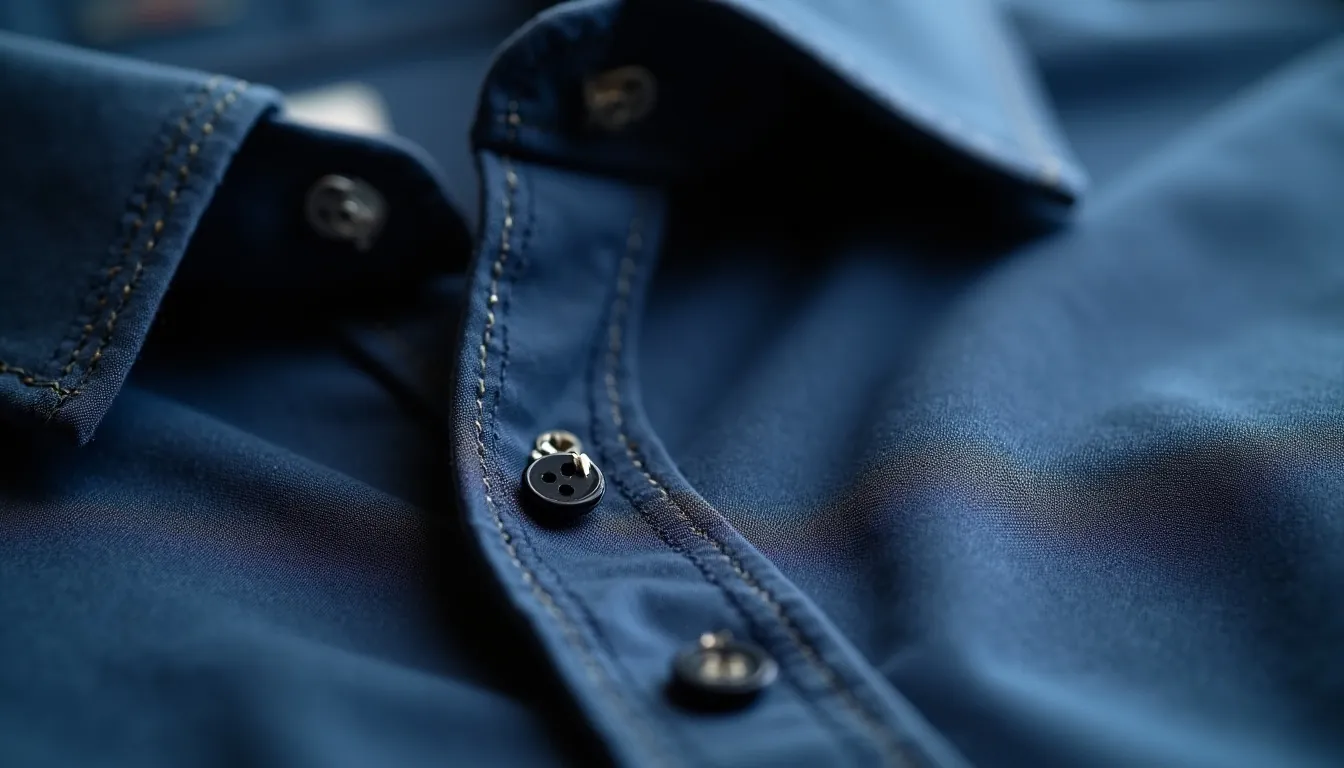
Spot the Red Flags
Online shopping has changed how we buy clothes. You can find almost anything with a few clicks from your couch. But it’s also harder to know if what you’re buying is good quality. You can’t touch the fabric or see the seams up close.
This means you need a special guide, a fashion brand quality guide, to help you. You need to become a detective, looking for clues in product photos. This article will show you exactly what low quality clothing signs to spot, saving you money and disappointment.
Why Learning This Matters
Imagine buying a beautiful dress online, only for it to arrive looking flimsy. Or a coat that starts falling apart after one wash. This happens often when you can’t tell the quality from pictures. You want your money to buy clothes that last and look good.
Learning these tricks helps you shop smarter. You’ll avoid buyer’s remorse and build a wardrobe of clothes you love. You’ll become an expert in spotting the true worth of an item, even when you can only see misleading product shots.
The Fabric’s Tale: Looking Closely at Materials
The fabric is the soul of any garment. Its look in a photo can tell you a lot about its quality. You need to train your eyes to see past the fancy lighting and perfect models. Pay attention to how the material behaves.
Thin Fabric Signs: See-Through and Saggy
One of the quickest low quality clothing signs is seeing through the fabric. Look closely at areas where the light might hit the fabric from behind. Can you see the model’s skin or underwear through it? This is a clear sign of cheap, sheer material.
Also, notice how the fabric drapes on the model. Does it look lifeless, saggy, or crumpled even on a posed model? Good quality fabric usually has some structure or a natural, flowing drape. Poor fabric often looks like it’s fighting gravity or just giving up.
When you zoom in, sometimes you can see the weave of the fabric. If the threads look very sparse or spread out, it’s likely thin. This type of material won’t hold its shape well and will wear out quickly. You’re looking for signs that the material is robust and well-made.
Texture and Weave: A Closer Look
Good product photos often let you zoom in on the fabric’s texture. You should look for a consistent and even weave. If you see uneven bumps, loose threads poking out, or a fuzzy appearance on new clothes, these are thin fabric signs. Such issues suggest the material wasn’t well-made or finished.
For knit items like sweaters, look for tight, even stitches. If the knitting looks loose or gappy, it’s likely to pill quickly and lose its shape. Good quality fabric feels smooth and uniform, even in a picture. This uniform look hints at better durability.
You can use your browser’s zoom feature to get a closer view. Just press Ctrl and + (or Cmd and + on a Mac) to magnify the image. This tool is your best friend when trying to inspect fabric details from a distance. If the website doesn’t offer a good zoom, that itself can be a low quality clothing sign.
Print Quality: Faded or Fuzzy Designs
For clothes with patterns or prints, the quality of the print is crucial. Look closely at the edges of the design. Are they crisp and clear, or do they look blurry, faded, or smudged? A high-quality print will have sharp lines and vibrant, even colors.
If the print appears patchy or inconsistent in color, that’s a red flag. Sometimes patterns won’t line up at the seams, which also points to poor manufacturing. You want prints that look intentional and well-executed, not like an afterthought. Bad prints quickly reveal low quality clothing signs.
Stitching Secrets: Bad Stitching Indicators
Stitching is like the glue that holds your clothes together. If the stitching is poorly done, the garment won’t last. Even in photos, you can spot many bad stitching indicators if you know what to look for. This is a key part of any fashion brand quality guide.
Uneven Stitches: The Wavy Line
Look at the seams, especially on edges or hems. Do the stitches form a straight, even line? Or do they look wavy, jagged, or inconsistent in length? Uneven stitching is a tell-tale sign of rushed production and poor craftsmanship.
Good quality garments have neat, consistent stitches that are evenly spaced. If some stitches are tiny and others are huge, that’s a problem. This shows a lack of care and precision, which means the garment will likely fall apart quickly. You should always expect tidy seams.
Also, check if the fabric puckers or pulls around the stitching. This indicates the tension was wrong during sewing. Such puckering creates weak points and makes the garment look cheap. These are clear low quality clothing signs you can spot.
Loose Threads and Fraying Edges
Zoom in on all visible seams, buttonholes, and hems. Do you see tiny threads poking out or dangling? This is a major bad stitching indicator. Quality garments have all their threads neatly trimmed and secured. Loose threads suggest a lack of finishing work.
If the fabric edges look frayed or messy around the seams, that’s another bad sign. This means the raw edges weren’t properly finished or enclosed. Such unfinished edges will unravel quickly, especially after washing. You want clean, strong seams that show attention to detail.
You can usually find these flaws on inside-out shots or very close-up detail photos. If a brand avoids showing these close-ups, you should be suspicious. A reputable brand has nothing to hide. This is an important consideration for your fashion brand quality guide.
Missing Stitches or Gaps
This is a more severe bad stitching indicator. Sometimes, if you look very closely, you might spot actual gaps where stitches should be. This could be due to a skipped stitch or a thread breaking during manufacturing. Such gaps are weak points where the seam can easily tear open.
While harder to spot in every photo, pay attention to areas like pockets, zippers, or cuffs. These are high-stress areas where stitching needs to be strong. Any sign of a gap or a very sparse stitch count indicates poor durability. You are looking for robust construction everywhere.
Construction Clues: How Well It’s Put Together
Beyond fabric and stitches, the overall construction of a garment tells a story. How different pieces are joined, what kind of hardware is used, and if there’s a lining—these all contribute to the quality. These details are important for identifying low quality clothing signs.
Mismatched Patterns and Poor Seams
If a garment has a pattern like stripes, plaids, or a floral print, look to see if the pattern lines up at the seams. For example, if you have a striped shirt, the stripes on the front should seamlessly match the stripes on the sleeves or sides. Mismatched patterns show a lack of care and a rush to save fabric.
Also, examine the seams themselves. Do they lie flat and smooth against the body of the garment? Or do they look bulky, puckered, or twisted? Smooth, well-finished seams are a sign of good construction and tailoring. Puckered seams are often bad stitching indicators that also signify poor fit.
A good fashion brand quality guide always points out that details matter. When patterns don’t align, it’s not just an aesthetic flaw. It often means the garment was cut without precision, suggesting overall lower quality. You want to see thoughtful assembly.
Linings and Inner Workings
Many garments, like jackets, skirts, or dresses, benefit from a lining. A good lining adds comfort, helps the garment drape better, and makes it last longer. If a garment that typically has a lining appears unlined, that could be a low quality clothing sign. This is often done to cut costs.
When a lining is present, look at its quality in the photos. Does it look thin, flimsy, or like it might tear easily? Is it made from a cheap, shiny synthetic material that will make you sweat? You want a lining that complements the outer fabric and looks well-integrated.
Sometimes, brands will show an “inside out” shot. Use this to your advantage. Look at how the lining is attached. Does it lie smoothly, or does it look baggy or twisted? A well-constructed garment has a lining that fits as well as the outer shell.
Zippers, Buttons, and Hardware
The small details, known as notions or hardware, can reveal a lot. Look closely at zippers: do they look sturdy and made of metal, or cheap and plastic? Good quality zippers are usually metal and operate smoothly, appearing well-attached. Poor quality zippers are often plastic, look flimsy, and tend to break easily.
Buttons should be securely sewn on, with no loose threads. Are they made of quality materials like shell, wood, or durable plastic? Cheap buttons can look dull, chipped, or like they’re about to fall off. The finish on metal hardware like buckles or snaps should be consistent and not easily scratched.
If a garment uses cheap hardware, it’s a big low quality clothing sign. These small parts are often the first to fail, making the entire garment unusable. You’re looking for signs of durability and thoughtful component choices.
The Photography’s Role: Misleading Product Shots and Fake Brand Images
Product photography is an art, but it can also be a deception. Brands use lighting, angles, and editing to make their clothes look their best. Your job is to see through these tricks and spot misleading product shots. This is crucial for a complete fashion brand quality guide.
Overly Edited Photos: Too Good to Be True
Be wary of photos that look too perfect. If the fabric seems to have no wrinkles, the colors are impossibly vibrant, or the details appear airbrushed, that’s a red flag. Overly edited photos can hide flaws in the fabric, stitching, or construction. You want realistic images.
Sometimes, models are posed in ways that pull the fabric taut, making it look smoother or better fitting than it is. Look for natural drapes and movements. If every picture looks like a magazine cover shoot and lacks natural texture, it might be hiding low quality clothing signs. Authenticity in photography is key.
Another trick is using very bright, blown-out lighting. This can wash out details and make it hard to see the true texture or transparency of the fabric. You want to see the clothing clearly, with sufficient detail, not just a glowing, ethereal image.
Generic Backgrounds and Styling
Some online stores use very generic white backgrounds and simple styling for all their products. While this can look clean, it can also be a way to mask a lack of brand identity or quality. If you see the same models or backgrounds used across many different, unrelated brands, be suspicious. This could suggest they are dropshipping cheap items.
A reputable brand often invests in unique styling, settings, and models that reflect their brand image. Lack of unique identity can indicate a focus on mass production rather than quality. You want a brand that takes pride in its presentation, not just generic stock photos. This is part of understanding the fashion brand quality guide.
Fake Brand Images: Spotting Copies
This is where fake brand images come into play. If you’re looking for a specific brand, especially a luxury one, be incredibly careful. Scammers often use legitimate product photos from high-end brands. However, they then sell you a cheap, fake version. Look for inconsistencies:
- Low-resolution images: High-end brands usually have high-quality photography. If the image is blurry or pixelated, it’s suspicious.
- Off-color logos or fonts: Small differences in the brand logo or text can be a giveaway.
- Missing authenticity details: Real brands often show detailed shots of tags, serial numbers, or unique hardware. Fakes often omit these or show blurry versions.
- Unbelievable prices: If a designer item is selling for 90% off, it’s almost certainly a
fake brand imagehidinglow quality clothing signs.
To check for fake brand images, you can use a reverse image search tool. Websites like Google Images or TinEye let you upload an image (or paste an image URL). The tool will then show you where else that image appears online. If it’s on dozens of different, suspicious websites or linked to a completely different brand, that’s a huge red flag. This helps you identify if the image is being misused.
For more tips on spotting fake designer goods, you might find this external resource helpful: How to Spot a Fake Designer Bag (This is an example link, replace with a real one if needed, e.g., to a reputable authentication service or fashion blog). Remember, spotting fake brand images is a critical part of your fashion brand quality guide.
Lack of Detail Shots
A confident brand will show you every angle of their product. They will provide multiple photos: front, back, side, close-ups of fabric, stitching, zippers, and maybe even the inside lining. If a product listing only has a few full-body shots of the model, be suspicious.
A lack of detail shots often means they are trying to hide low quality clothing signs. They don’t want you to zoom in on the bad stitching indicators or thin fabric signs. You want to see the texture, the hardware, and how the garment is finished. If these are missing, it’s a huge red flag.
Always look for photos that clearly show the fabric texture and the craftsmanship. If you can’t get a good look at the seams or the material, you’re taking a risk. This absence of detail is one of the most common misleading product shots techniques.
Understanding the Price Tag: Is it Really a Deal?
Price can be a major indicator, but it’s not always straightforward. Sometimes you pay for the brand name, but often, a very low price points to low quality clothing signs. A good fashion brand quality guide helps you balance price and value.
Unrealistic Discounts
Everyone loves a good sale, but some discounts are too good to be true. If you see a garment with an original price of $300 now selling for $30, pause and think. While sales happen, such extreme discounts often hide underlying quality issues. These items might be poorly made, out of season, or have manufacturing defects.
Be especially wary if the brand constantly offers massive discounts. This can be a tactic to make low quality clothing signs seem like a bargain. A truly well-made item maintains its value better and rarely goes on sale for pennies on the dollar. You should question why something is so cheap.
The Brand’s Reputation (or Lack Thereof)
Before buying from a new brand, do a quick search. What are others saying about them? Check independent review platforms like Trustpilot or Yelp. Look for reviews that specifically mention the quality, durability, and customer service. A brand with many negative reviews regarding clothing falling apart or looking different in person is a clear warning sign.
If you can’t find any reviews for a brand, or if the only reviews are on their own website (which can be curated), proceed with caution. Established brands usually have a digital footprint and a reputation, good or bad. A lack of external reviews can be a low quality clothing sign in itself. This research is a key part of building your personal fashion brand quality guide.
Your Digital Toolkit for Spotting Quality
You don’t need special equipment to be a quality detective. Your computer and some basic tools are enough. These resources will help you identify low quality clothing signs from any product photo.
Browser Zoom Tools
Most web browsers have a built-in zoom feature. You can usually press Ctrl + (Windows) or Cmd + (Mac) to zoom in on a webpage. This is incredibly useful for inspecting small details like stitching, fabric texture, and hardware. Don’t be shy about zooming in as far as you can.
Some browsers also have extensions that offer enhanced image zooming capabilities. For example, Chrome and Firefox have extensions that let you magnify specific parts of an image without zooming the whole page. Search your browser’s extension store for “image zoom” tools to find one that suits you. The clearer you can see, the better you can spot bad stitching indicators or thin fabric signs.
Reverse Image Search Engines
As mentioned earlier, services like Google Images or TinEye are invaluable. They let you upload a product photo and see where else it appears online. This helps you:
- Spot
fake brand images: If the same photo of a luxury item appears on a suspicious, very cheap website. - Identify
misleading product shots: If the same item is sold under different brand names, possibly indicating generic, mass-producedlow quality clothing signs. - Find alternative views: Sometimes other retailers selling the same product might have more detail shots or real-life customer photos.
Learning to use reverse image search is a powerful addition to your fashion brand quality guide. It helps you cross-reference information and expose deceptive practices.
Customer Reviews and Real-Life Photos
Customer reviews are a goldmine of information. Look for reviews that include real-life photos submitted by customers. These unedited photos are often the most honest representation of a product. They can show you how the garment truly looks, fits, and behaves, away from studio lights and professional models.
Many large online retailers and even fashion-specific communities and forums (like specific subreddits on Reddit’s fashion communities) offer customer photo sections. Pay attention to comments about fabric feel, durability after washing, and how closely the item matches the product photo. These insights are invaluable for identifying low quality clothing signs.
Comparing Products Across Websites
Don’t buy the first item you see. If you find something you like, search for similar items on other reputable fashion sites. Compare the features, descriptions, and price points. Sometimes, seeing how another brand presents a similar item can highlight flaws in the one you’re considering.
Websites like ASOS, Zalando, or Nordstrom often have high-quality photos and detailed descriptions. Using these as a benchmark can help you understand what good quality looks like in pictures. Comparing helps you calibrate your fashion brand quality guide for different garment types.
The “Fashion Brand Quality Guide” Checklist
To make it easy, here’s a quick checklist you can use while shopping online. Keep this guide in mind every time you look at a product photo. This will help you quickly spot low quality clothing signs.
- Fabric:
- Does it look transparent or see-through? (Avoid)
- Does it appear saggy, crumpled, or lifeless? (Avoid)
- Is the texture even and consistent, or fuzzy/uneven? (Look for even)
- Are prints crisp and aligned, or blurry/patchy? (Look for crisp)
- Stitching:
- Are stitches straight and even, or wavy/inconsistent? (Look for straight)
- Are there loose threads or fraying edges? (Avoid)
- Can you spot any missing stitches or gaps? (Avoid)
- Do seams lie flat, or are they puckered/bulky? (Look for flat)
- Construction:
- Do patterns (stripes, plaids) line up at seams? (Look for alignment)
- Is there a lining where appropriate, and does it look good? (Look for quality lining)
- Does hardware (zippers, buttons) look sturdy and well-attached? (Look for sturdy)
- Photography:
- Do photos seem overly edited or too perfect? (Be wary)
- Are there enough detail shots of fabric, seams, and hardware? (Look for details)
- Are there
misleading product shotslike strange poses to hide flaws? (Be wary) - Could these be
fake brand images(check prices, brand, use reverse image search)? (Investigate)
- Brand & Price:
- Is the discount unrealistically large? (Be wary)
- Does the brand have positive external reviews about quality? (Look for reviews)
By following this fashion brand quality guide, you’ll become a much savvier online shopper. You’ll reduce returns, save money, and build a wardrobe of clothes you truly love.
Final Thoughts: Shop Smart, Dress Well
Shopping for clothes online is convenient and offers endless choices. But with this convenience comes the challenge of verifying quality. You now have the tools and knowledge to spot low quality clothing signs even from just a product photo. You can confidently identify bad stitching indicators, thin fabric signs, and even detect fake brand images and misleading product shots.
Empower yourself with this fashion brand quality guide. Take your time, zoom in, and ask critical questions about what you see. You deserve clothes that are well-made and durable, not just pretty pictures. Happy smart shopping!
Frequently Asked Questions (FAQ)
What are the main low quality clothing signs I should look for in photos?
You should look for thin, see-through fabrics, uneven or loose stitching, mismatched patterns at seams, and cheap-looking hardware like plastic zippers. A lack of detailed close-up photos can also be a red flag.
How can I tell if fabric is thin just from a picture?
Look for areas where the fabric might be stretched or where light hits it from behind. If you can see through it to the model’s skin or the background, it’s likely thin. Also, notice if the fabric looks saggy or lacks structure. These are common thin fabric signs.
Can product photos always be trusted?
No, product photos can often be misleading product shots. They are usually professionally styled and edited to make the clothing look its best. Look for overly perfect images, strange model poses that hide fabric, or a lack of detail shots.
What are some bad stitching indicators?
Bad stitching indicators include stitches that are uneven, wavy, or inconsistent in length. You might also spot loose threads, fraying edges around seams, or even missing stitches or gaps. Good stitching should be straight, tight, and neat.
How do I use an image search tool to check for fake brand images?
You can use tools like Google Images or TinEye. Simply upload the product photo or paste its URL. The tool will show you where else that image appears online. If it’s on many different, suspicious websites or for a different brand, it could be a fake brand image.
Is it always worth paying more for quality?
While not always, generally, higher prices often reflect better quality materials and craftsmanship. If you follow this fashion brand quality guide, you can decide if the price matches the visible quality. Sometimes, a slightly higher investment means a garment will last much longer, saving you money in the long run.




Leave a comment