
Sustainable Packaging Options for Small Ecommerce: Reduce Waste & Impress Customers
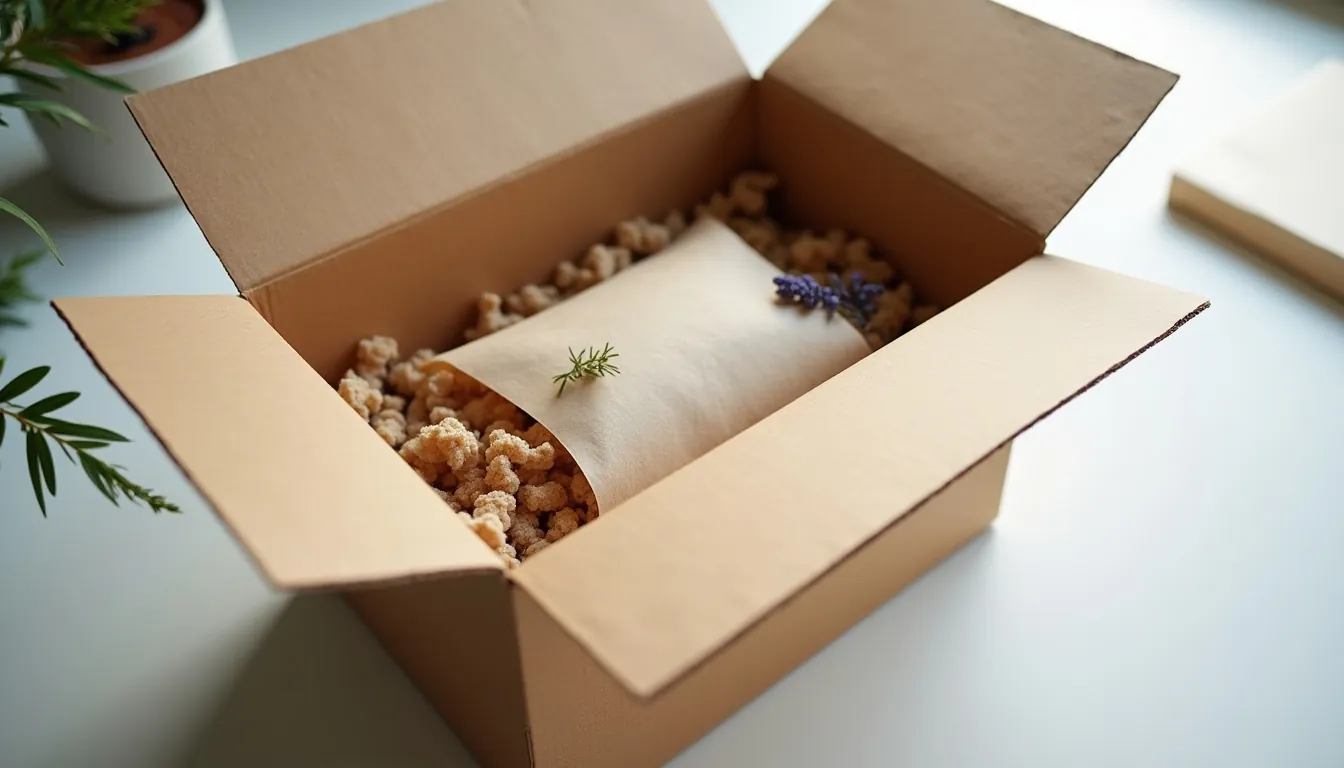
Moving towards a greener business model is more important than ever. Customers today are actively seeking out brands that share their values. By adopting sustainable packaging options for small ecommerce, you can significantly reduce your environmental footprint. You will also build a stronger, more positive connection with your eco-conscious customers.
This guide will walk you through the best sustainable packaging options available. It will help you understand how to choose the right materials for your products. You’ll learn how to implement these changes smoothly and effectively.
Why Sustainable Packaging Matters for Your Small Ecommerce Business
Choosing sustainable packaging isn’t just a trend; it’s a smart business decision. It offers many benefits beyond just helping the planet. You can make a real difference with your choices.
First, it helps protect our environment. Traditional packaging often ends up in landfills, taking hundreds of years to break down. By using sustainable options, you reduce waste and pollution. This makes your business a force for good.
Second, customers love it. More and more shoppers are looking for zero waste ecommerce packaging solutions. They want to buy from brands that care about the environment. When you use eco-conscious packaging, you show customers you share their values. This builds trust and loyalty, encouraging them to choose you again and again.
Third, it can boost your brand’s image. Having green branding ecommerce sets you apart from competitors. It tells a story about your commitment to sustainability. This positive image can attract new customers and create positive buzz around your brand.
Finally, in some cases, sustainable packaging can even save you money in the long run. By optimizing your packaging and reducing waste, you might find more efficient ways to operate. This makes your business more resilient and future-proof.
What Does “Sustainable Packaging” Really Mean?
Before diving into options, let’s understand what sustainable packaging truly means. It’s more than just a buzzword. Sustainable packaging aims to minimize environmental impact throughout its entire lifecycle.
This means considering everything from how the materials are made to how they are disposed of. It should be beneficial, safe, and healthy for people and communities. Sustainable packaging also needs to be effective in protecting your products. It ensures they arrive safely at your customers’ doors.
There are a few key terms you’ll hear when talking about eco-conscious packaging. Understanding them is important. You want to make informed decisions for your business.
Recyclable Packaging
Recyclable packaging can be collected and processed to make new products. This prevents materials from ending up in landfills. Common examples include cardboard, paper, glass, and some plastics.
For packaging to be truly effective, local recycling facilities must accept it. You should always check what is recyclable in your customers’ areas. Giving clear instructions to your customers on how to recycle is also crucial.
Biodegradable Packaging
Biodegradable packaging breaks down naturally into elements like water, carbon dioxide, and biomass. This process occurs with the help of microorganisms. It typically requires specific conditions to happen effectively.
However, “biodegradable” doesn’t always mean it’s good for the environment. Some biodegradable plastics only break down in industrial composting facilities. Others might leave behind microplastics if they don’t fully degrade. Always look for certifications to ensure true biodegradability.
Compostable Packaging
Compostable packaging is a special type of biodegradable packaging. It breaks down completely into nutrient-rich compost. This happens within a specific timeframe and under specific conditions. It leaves no toxic residue behind.
There are two main types: industrial compostable and home compostable. Industrial compostable materials need high heat and specific microbial environments. Home compostable materials can break down in a backyard compost pile. Look for certifications like “TÜV Austria OK compost HOME” or “BPI Compostable” for verification.
Your Top Sustainable Packaging Options for Small Ecommerce
Now that you understand the basics, let’s explore practical sustainable packaging options for small ecommerce businesses. You have a wide range of choices. Each has its own benefits and considerations.
1. Recycled Content & Recyclable Materials
Using materials made from recycled content or that can be easily recycled is a powerful first step. These options are often cost-effective and widely available. They are excellent green ecommerce packaging ideas.
Recycled Cardboard Boxes
Cardboard is a staple in ecommerce and for good reason. It’s strong, versatile, and widely recyclable. You can choose boxes made from 100% post-consumer recycled content. This means they are made from paper products that have already been used by consumers.
Using recycled cardboard reduces the need for new trees. It also saves energy and water compared to making virgin cardboard. Many suppliers offer custom-sized boxes. This helps you avoid using oversized boxes with lots of void fill. Custom sizes contribute to zero waste packaging ecommerce practices.
- Pros: Widely recyclable, strong, customizable, often affordable, made from recycled content.
- Cons: Can be bulky for storage, might not be waterproof without special coatings.
Kraft Paper Mailers and Envelopes
Kraft paper is a natural, strong, and unbleached paper. It’s an excellent alternative to plastic poly mailers. You can find kraft paper mailers with padding for fragile items. Many are made from recycled content and are fully recyclable or compostable.
These mailers provide a natural, rustic look. This can be perfect for eco friendly brand packaging. They are lighter than boxes, which can save on shipping costs for smaller items. You can easily brand them with stamps or eco-friendly inks.
- Pros: Lightweight, recyclable, often compostable, good for branding, eco-friendly aesthetic.
- Cons: Less protective than boxes for very fragile items, can be less durable in wet conditions.
Recycled Content Plastic Packaging
While plastic often gets a bad rap, using recycled plastic (like RPET or PCR plastic) can be a sustainable option. RPET is recycled PET plastic, commonly found in plastic bottles. PCR (Post-Consumer Recycled) plastic is made from items consumers have already used.
Choosing recycled plastic helps divert waste from landfills and oceans. It also reduces the demand for new plastic production. You might find recycled plastic poly mailers or product containers. Always ensure they are clearly labeled for recyclability. Providing customers with instructions for recycling is essential.
- Pros: Durable, lightweight, protects contents well, reduces virgin plastic demand.
- Cons: Still plastic, recycling infrastructure varies, can be mistaken for virgin plastic by consumers.
2. Compostable & Biodegradable Choices
These options are designed to return to the earth, leaving minimal impact. They are excellent for truly embracing zero waste ecommerce packaging. However, understanding their specific decomposition needs is key.
Plant-Based Bioplastics (PLA, PHA)
Bioplastics like PLA (polylactic acid) are made from renewable resources like corn starch or sugarcane. They look and feel like traditional plastic but can be industrially composted. PHA (polyhydroxyalkanoates) is another bioplastic that can be composted in home or industrial settings.
These are great for poly mailers, product bags, or even some product containers. They offer a flexible and transparent option. However, it’s crucial to inform your customers about proper disposal. PLA often requires industrial composting, which isn’t available everywhere.
- Pros: Made from renewable resources, can be composted (industrial for PLA, home for PHA), looks like traditional plastic.
- Cons: PLA requires industrial composting, can be mistaken for regular plastic, specific storage needs.
Mushroom Packaging (Mycelium)
Mushroom packaging is an incredible innovation. It’s made from agricultural waste (like corn husks) and mycelium, the root structure of mushrooms. This material is grown into custom shapes. It offers excellent cushioning and protective properties.
After use, mushroom packaging is completely home compostable. You can simply break it up and add it to your garden or compost bin. This makes it a fantastic option for fragile items. It offers a unique and truly eco-conscious packaging experience.
- Pros: Home compostable, excellent cushioning, made from agricultural waste, unique and natural feel.
- Cons: Can be more expensive, less widely available, might have a specific look that doesn’t fit all brands.
Corn Starch and Other Plant-Based Loose Fills
Instead of traditional styrofoam peanuts, you can use loose fills made from corn starch or other plant materials. These look similar to styrofoam but dissolve in water. They can also be composted at home.
These plant-based peanuts are excellent for protecting fragile items during shipping. They are a much more environmentally friendly alternative to traditional plastic void fill. This is a simple but impactful change for eco friendly brand packaging.
- Pros: Home compostable, dissolves in water, good cushioning, affordable.
- Cons: Can be less durable if exposed to moisture during shipping, might attract pests if stored improperly.
Wood Wool and Shredded Paper
Wood wool is thin, curly strands of wood used for cushioning. It’s natural, biodegradable, and often compostable. Shredded paper, especially from recycled sources, is another great void fill option.
Both provide excellent protection and a rustic, natural aesthetic. They are easy for customers to dispose of sustainably. You can even reuse shredded paper from your own office waste. This takes zero waste ecommerce packaging to another level.
- Pros: Natural, biodegradable, compostable, good cushioning, adds a natural aesthetic.
- Cons: Can be dusty, shredded paper might add weight.
3. Reusable Packaging Solutions
The ultimate goal of zero waste ecommerce packaging is to avoid waste altogether. Reusable packaging helps achieve this. It creates a circular system where packaging is returned and used again.
Reusable Mailer Bags
Some companies offer reusable mailer bags made from durable, recycled, or organic materials. Customers return these bags to a central collection point or mail them back to the brand. The bags are then cleaned and reused for future orders.
This model is more complex to implement for small businesses. However, it offers a truly circular solution. It dramatically reduces single-use packaging waste. You could also offer branded reusable tote bags as part of your green branding ecommerce. These can act as packaging for local deliveries.
- Pros: Eliminates single-use waste, strong brand statement, durable.
- Cons: Logistically challenging, requires customer participation, higher initial cost.
Refillable Containers
If you sell products like soaps, lotions, or cleaning supplies, refillable containers are an excellent option. You can offer customers the ability to send back their empty containers for a refill. Or you could sell refill pouches.
This significantly reduces packaging waste over time. It also encourages customer loyalty. You provide a continuous service and product. This is a very advanced form of zero waste packaging ecommerce.
- Pros: Drastically reduces waste, builds customer loyalty, innovative.
- Cons: Complex logistics for returns/refills, requires specific product types.
4. Minimalist Packaging
Sometimes, the most sustainable option is simply to use less. Minimalist packaging focuses on efficiency and reducing unnecessary materials. This is a core principle of eco friendly brand packaging.
Right-Sized Boxes and Mailers
Avoid using boxes that are too large for your products. Excess space requires more void fill. It also means more material is used overall. Custom-sized boxes can perfectly fit your products. This minimizes waste and can even save on shipping costs.
This simple change can have a big impact. It reduces material usage and eliminates the need for excessive cushioning. It is a fundamental practice for zero waste packaging ecommerce.
- Pros: Reduces material waste, lowers shipping costs, less need for void fill.
- Cons: Custom boxes can be more expensive in smaller quantities, requires careful planning.
No Secondary Packaging
Consider if your product truly needs an inner box or plastic wrap. Can it be safely shipped directly in its primary packaging? Removing secondary packaging saves materials and reduces waste.
For example, a durable product might only need a mailer and no additional wrapping inside. This streamlines your packaging process. It also reduces the amount of waste your customer receives. This is a key aspect of green ecommerce packaging ideas.
- Pros: Reduces material usage, simpler unboxing, lower costs.
- Cons: Might not be suitable for all product types (fragile, liquid), could impact perceived value if not done thoughtfully.
Choosing the Right Sustainable Packaging for Your Small Business
With so many sustainable packaging options for small ecommerce, how do you decide what’s best for you? It involves considering several factors specific to your business and products.
1. Product Type and Fragility
Your product’s nature is the most important factor.
- Fragile items: Need robust cushioning. Think mushroom packaging, wood wool, or sturdy recycled cardboard boxes.
- Non-fragile items (clothing, accessories): Can often use kraft paper mailers or compostable poly mailers.
- Liquids or items needing moisture protection: Might require recycled content plastic mailers or specially coated paper options.
You need to ensure your chosen packaging protects your product adequately during transit. A damaged product is never sustainable. It leads to returns and wasted resources.
2. Shipping Distance and Conditions
How far do your products travel? What kind of climate will they endure?
- Long distances, varied climates: May require more durable materials. Recycled plastic might be a better choice here than basic paper.
- Local deliveries: Give you more flexibility for reusable packaging or less protective options.
Consider temperature changes, humidity, and the number of times a package might be handled. Your packaging needs to withstand the journey.
3. Budget Considerations
Sustainable packaging options for small ecommerce can sometimes have higher upfront costs. However, prices are becoming more competitive.
- Start small: Begin with one or two key changes, like switching to recycled cardboard boxes or paper void fill.
- Bulk buying: Often reduces the per-unit cost.
- Evaluate long-term savings: Less waste, better brand image, and customer loyalty can save you money over time.
Don’t let perceived cost be a barrier. Many affordable eco friendly brand packaging solutions exist. You can always scale up your efforts as your business grows.
4. Customer Expectations and Local Recycling Infrastructure
Your customers are looking for eco-conscious packaging. But can they actually dispose of it properly?
- Research local facilities: Understand what recycling and composting options are available in your target customer’s area. Provide clear instructions.
- Transparency: Be honest about your packaging choices. Explain why you chose certain materials and how customers can dispose of them. This is key for green branding ecommerce.
- Education: Use your packaging and website to educate customers on proper disposal. A small card inside the package can go a long way.
You want your zero waste ecommerce packaging to be truly effective. This means ensuring it can be correctly processed after use.
Implementing Your Sustainable Packaging Strategy
Once you’ve chosen your sustainable packaging options for small ecommerce, the next step is implementation. This involves finding suppliers, designing your packaging, and communicating your efforts.
Finding Reliable Sustainable Packaging Suppliers
Finding the right suppliers is crucial. You want partners who share your values and can provide quality materials.
- Look for certifications: Seek out suppliers with certifications like FSC (Forest Stewardship Council) for paper products or BPI (Biodegradable Products Institute) for compostable materials.
- Ask about minimum order quantities (MOQs): As a small business, you need suppliers who cater to smaller orders.
- Request samples: Always get samples to test the quality, durability, and appearance of the packaging before making a large order.
- Explore marketplaces: Websites like EcoEnclose (external link: https://www.ecoenclose.com/) or Uline’s eco-friendly section (external link: https://www.uline.com/BL_8340/Uline-Eco-Friendly-Products) specialize in green ecommerce packaging ideas.
Don’t be afraid to reach out to multiple suppliers to compare prices and options. Building good relationships with your suppliers is important.
Designing for Impact and Sustainability
Your packaging isn’t just a container; it’s a part of your brand experience. Design it thoughtfully.
Use Eco-Friendly Inks and Adhesives
When printing on your packaging, opt for soy-based or water-based inks. These are more environmentally friendly than petroleum-based inks. Also, choose glues and adhesives that are biodegradable or recyclable. This ensures your eco friendly brand packaging is sustainable from top to bottom.
Minimalist Branding
Less is often more when it comes to sustainable design. Avoid excessive printing or coatings. Focus on a clean, simple design that lets the sustainable material shine through. Your zero waste packaging ecommerce message will be clear.
Clear Disposal Instructions
This is incredibly important. Print clear, concise instructions on your packaging. Tell customers how to recycle or compost each component. Use universal symbols (like the Mobius loop for recycling). You can also include a QR code linking to a page on your website with more detailed disposal guides.
Communicating Your Green Branding Ecommerce Efforts
You’ve put in the hard work; now tell your story! Customers want to know about your commitment to sustainable packaging options for small ecommerce.
On Your Website
Dedicate a page or section on your website to your sustainability initiatives. Explain your packaging choices. Show pictures of your eco-conscious packaging. Share your vision for a greener future. This builds trust and reinforces your green branding ecommerce.
Product Descriptions
Highlight your sustainable packaging directly in your product descriptions. For example, “Your order ships in 100% recycled and recyclable kraft paper mailers!” This can be a key selling point.
Social Media
Share behind-the-scenes content of your sustainable packaging practices. Show how you pack orders. Explain why you chose specific materials. Engage with customers about their thoughts on green packaging. This creates a community around your brand.
Inside the Package
Include a small, recycled card that explains your packaging choices. Thank customers for supporting a sustainable business. This personal touch enhances the unboxing experience. It also educates customers on how to properly dispose of their zero waste ecommerce packaging.
Beyond Packaging: Holistic Green Ecommerce Practices
While sustainable packaging options for small ecommerce are vital, true green branding ecommerce goes further. Consider these additional steps to reduce your overall environmental impact:
- Energy Efficiency: Use energy-efficient lighting and appliances in your office or warehouse. Consider switching to renewable energy sources if possible.
- Ethical Sourcing: Source your products from ethical suppliers who prioritize fair labor and environmental practices.
- Local Sourcing: Buy materials and products locally to reduce transportation emissions.
- Waste Reduction in Operations: Implement recycling programs in your office. Go paperless where possible.
- Offset Carbon Emissions: Invest in carbon offsetting programs to neutralize the environmental impact of your shipping. Companies like Shopify Planet (external link: https://www.shopify.com/climate/planet) offer easy ways to do this.
By looking at your entire business operation, you can become a truly sustainable ecommerce brand. You build a strong foundation for eco friendly brand packaging.
Calculator Section (Not Applicable)
This article focuses on choosing and implementing sustainable packaging options for small ecommerce. It does not involve calculations such as financial planning or product specifications that would naturally integrate a calculator tool. Therefore, a calculator is not relevant to the content of this blog post. The aim here is to provide informational guidance rather than computational assistance.
Avoiding Common Pitfalls in Sustainable Packaging
While adopting sustainable packaging is commendable, it’s important to avoid certain mistakes. You want your efforts to be genuine and effective.
1. Greenwashing
Greenwashing is when a company makes exaggerated or misleading claims about its environmental practices. For example, claiming packaging is “eco-friendly” without providing specifics. Always be transparent and back up your claims with facts and certifications. Your customers will appreciate your honesty.
You want your green branding ecommerce to be authentic. Avoid vague terms. Instead, use precise language like “100% post-consumer recycled cardboard” or “home compostable PLA mailer.” This builds trust.
2. Overlooking the End-of-Life Stage
Just because something is “biodegradable” doesn’t mean it will break down everywhere. Many bioplastics require industrial composting, which isn’t widely available. If your customers can’t properly dispose of your sustainable packaging options for small ecommerce, its benefit is lost.
Always consider the customer’s ability to recycle or compost your packaging. Provide clear instructions. Research local recycling options for your customer base. This ensures your zero waste ecommerce packaging is effective.
3. Prioritizing Cost Over True Sustainability
While budget is important, don’t choose the cheapest “green” option if it’s not truly sustainable. Sometimes, a slightly more expensive option has a much lower environmental impact. For example, recycled content might be better than virgin material, even if both are recyclable.
Look for suppliers who offer quality and verified sustainable products. Educate yourself on the full lifecycle of materials. Your commitment to eco friendly brand packaging should be genuine.
4. Not Communicating Your Efforts
If you’re making sustainable changes, tell your customers! Many businesses miss this opportunity. Your green branding ecommerce efforts are a valuable selling point.
Use your website, social media, and packaging itself to share your story. Explain your choices. Educate your audience. This helps them understand the value of your eco-conscious packaging.
5. Ignoring Packaging Damage in Transit
A sustainable package that fails to protect your product isn’t sustainable at all. It leads to returns, re-shipping, and wasted resources. Test your sustainable packaging options for small ecommerce rigorously.
Ensure your packaging can withstand the rigors of shipping. Choose appropriate cushioning and sturdy outer layers. The goal is to get your product to the customer safely, every time.
Success Stories and Examples
Many small ecommerce businesses are already excelling with sustainable packaging. You can learn from their examples.
- Who Gives A Crap (external link: https://au.whogivesacrap.org/): This toilet paper company uses 100% recycled paper for its products and packaging. Their colorful, paper-wrapped rolls are a perfect example of zero waste ecommerce packaging. They are visually appealing and easily recyclable.
- Package Free Shop (external link: https://packagefreeshop.com/): As their name suggests, they are pioneers in the zero-waste movement. They ship products with minimal, compostable, or reusable packaging. They offer inspiration for how to implement green ecommerce packaging ideas across a range of products.
- Small local makers: Many Etsy sellers and local artisans use kraft paper, biodegradable mailers, and shredded paper. They demonstrate how eco friendly brand packaging can be achieved even at a very small scale. They often communicate their sustainable choices directly to customers, building strong loyalty.
These examples show that implementing sustainable packaging is achievable for businesses of all sizes. You can start small and grow your efforts.
Frequently Asked Questions (FAQs)
Q1: What is the most cost-effective sustainable packaging option for a small ecommerce business?
A1: The most cost-effective options often involve using recycled content materials. Recycled cardboard boxes and kraft paper mailers are usually affordable and widely available. Using shredded paper or plant-based peanuts for void fill is also very budget-friendly. Look for local suppliers and buy in bulk to get better prices.
Q2: How do I know if my packaging is truly compostable or recyclable?
A2: Look for certifications on the packaging itself. For compostable items, certifications like “BPI Compostable” (North America) or “TÜV Austria OK compost HOME/INDUSTRIAL” are good indicators. For recyclable materials, standard recycling symbols (Mobius loop) should be present. Always check your local recycling guidelines as capabilities vary widely.
Q3: Can I still have good branding with sustainable packaging?
A3: Absolutely! Sustainable packaging offers unique opportunities for green branding ecommerce. You can use eco-friendly inks, custom stamps, or minimalist designs that highlight the natural beauty of the materials. Many recycled and compostable materials have a natural, artisanal look that can enhance your brand’s aesthetic. Your commitment to sustainability itself becomes a strong brand message.
Q4: What about fragile items? Are there sustainable options for cushioning?
A4: Yes, there are several great options. Mushroom packaging provides excellent custom cushioning. Wood wool, crinkled kraft paper, and plant-based (corn starch) packing peanuts are all effective and eco-friendly void fills. You can also use double-walled recycled cardboard boxes for extra protection.
Q5: How do I inform my customers about my sustainable packaging efforts?
A5: Transparency is key. Dedicate a section on your website to your sustainability practices. Include a small, recycled information card in each package explaining your choices and how to dispose of the materials properly. Share your efforts on social media. Mention your eco-conscious packaging in product descriptions. This educates and impresses your eco-conscious customers.
Q6: Is sustainable packaging always more expensive than traditional packaging?
A6: Not always. While some specialized sustainable materials might have a higher upfront cost, many basic options like recycled cardboard or kraft paper are competitive. Also, by optimizing package size and reducing void fill, you can save on materials and shipping costs. The long-term benefits of improved brand image and customer loyalty can also outweigh initial cost differences.
Q7: What is “zero waste ecommerce packaging”?
A7: Zero waste ecommerce packaging aims to create as little waste as possible. This means choosing materials that are easily reusable, recyclable, or compostable. It also involves minimizing unnecessary packaging layers and using right-sized containers. The goal is for the packaging to be either completely consumed, composted, or endlessly reused without ending up in a landfill.
Q8: Should I switch all my packaging at once, or can I do it gradually?
A8: It’s perfectly fine to switch gradually! Many small businesses start by replacing one or two key packaging components, like void fill or mailers. This allows you to test different options, monitor costs, and gather customer feedback. A gradual approach is often more manageable and less disruptive to your operations. You can expand your sustainable packaging options for small ecommerce over time.
Conclusion
Embracing sustainable packaging options for small ecommerce is a powerful step. It allows you to reduce waste, strengthen your brand, and deeply connect with your eco-conscious customers. You have a wide array of choices, from recycled cardboard to mushroom packaging, all designed to lessen your environmental footprint. By carefully considering your products, budget, and customer needs, you can choose the perfect eco-conscious packaging solutions for your business.
Remember, every small change makes a big difference. Start today, communicate your efforts, and watch your green branding ecommerce flourish. Your customers will thank you for making sustainable choices, and so will the planet.




Leave a comment