
Print on Demand vs Dropshipping for Artists: Which Business Model Is Better in 2026?
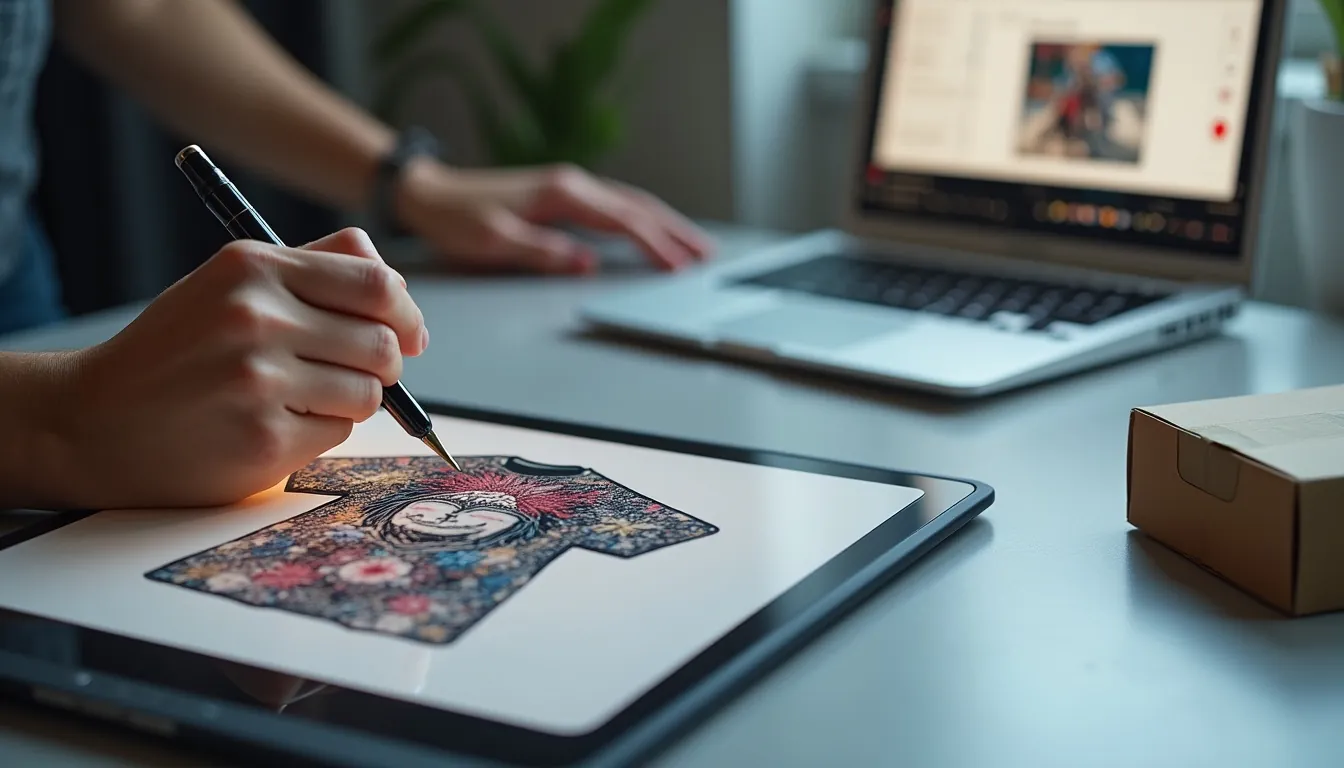
This guide will break down both options in simple terms. We’ll explore how they work, their good points, and their not-so-good points, especially for creative people like you. By the end, you’ll have a clear idea of which path might be perfect for your art business journey. Let’s dive into the exciting world of print on demand vs dropshipping for artists!
Getting Started: The World of Selling Art Online
The internet has opened up incredible doors for artists. No longer do you need to find a gallery or set up a physical shop to share your creations. Now, you can reach art lovers all around the globe right from your studio. This freedom allows you to focus more on your passion: making art!
However, choosing the right business strategy is key to success. You want a method that helps your art reach people without bogging you down with complicated logistics. Both Print on Demand and Dropshipping aim to solve some of these big problems for online sellers. They are popular ecommerce models for artists because they remove the need for you to hold physical stock.
Imagine selling your beautiful paintings, digital designs, or illustrations without ever having to print them yourself. Imagine selling unique art supplies or tools without buying them in bulk. This is the magic these models offer.
What is Print on Demand (POD) for Artists?
Print on Demand, or POD, is a fantastic way for artists to sell their designs on products. Think of it like this: you create your art, upload it to a special website, and then put it on items like t-shirts, mugs, phone cases, or even canvas prints. When a customer buys something, the POD company prints your design on that item and ships it directly to them.
You don’t need to buy any products upfront or worry about printing anything. You just provide the art and market your creations. It’s a very hands-off approach to selling physical products. This makes it a great choice for selling art online strategies.
How Does Print on Demand Work for You?
The process is quite straightforward. First, you pick a Print on Demand platform, like Printful or Printify. Then, you upload your artwork to their system. Next, you choose which products you want your art to appear on and set your selling price.
When a customer buys your custom-designed product from your online store, the POD company gets the order. They print your art onto the chosen item, package it up, and send it straight to your customer. You only pay for the product and printing when an order comes in.
You collect the difference between the base cost of the item and your selling price as profit. It’s a simple system that lets you focus on being an artist. You don’t have to deal with inventory, printers, or shipping labels.
The Good Sides of Print on Demand for Artists
POD offers many benefits, making it an attractive option for artists. Let’s look at why it might be a perfect fit for your artistic journey.
First, there are no upfront costs for inventory. This means you don’t need a big chunk of money to start. You don’t have to buy 100 t-shirts hoping they sell, which is a huge relief for many artists.
Second, you can offer a wide range of products with your art. From clothing and home decor to stationery and accessories, the possibilities are vast. This allows your fans to enjoy your art in many different ways. Imagine your unique design on a cozy hoodie or a stylish tote bag.
Third, POD saves you a lot of time and effort. The platform handles printing, packaging, and shipping. This frees you up to spend more time creating new art, engaging with your audience, and marketing your brand. You can truly focus on what you love to do most.
Another great benefit is the low risk involved. If a product doesn’t sell well, you simply remove it from your store. You’re not left with unsold stock gathering dust in your garage. This makes experimenting with new designs and products very easy and safe.
Finally, POD services are constantly improving, offering better quality products and faster shipping. This means happier customers and fewer headaches for you. Many platforms also offer integrations with popular ecommerce for artist platforms like Shopify and Etsy.
The Not-So-Good Sides of Print on Demand for Artists
While POD sounds wonderful, it does have some downsides you should know about. Being aware of these will help you make a smart decision.
One main challenge is that profit margins can be lower compared to selling your own handmade items or buying in bulk. The POD company charges a base price for the product and printing, and then you add your markup. This markup might be smaller than you expect, especially on cheaper items. You need to sell more items to make a good living.
Next, you have less control over the final product quality and the shipping process. Since a third party handles these steps, you rely on their standards. If a customer receives a faulty product or has a shipping delay, it reflects on your brand, even though you didn’t directly cause the issue. You might have to trust the POD company’s customer service too.
Branding can also be a bit limited. While some POD platforms offer custom branding on packaging, it’s not always as personalized as if you were shipping items yourself. You might not be able to add a special thank-you note or unique wrapping to every order. This can make it harder to create a truly unique unboxing experience for your customers.
Competition can be quite high in the POD space. Many artists and designers use these platforms, so standing out requires strong marketing and unique designs. You need to find your niche and promote your work effectively to capture attention. It’s not just about having great art; it’s about getting people to see it.
Popular Print on Demand Platforms for Artists
There are many great POD platforms available, each with its own strengths. Here are a few popular ones that artists often use:
- Printful: Known for its high-quality products, good customer service, and seamless integration with many e-commerce platforms like Shopify and Etsy. They offer a wide range of products from apparel to home decor. You can check them out here: Printful.
- Printify: Offers a wider network of print providers, which can sometimes lead to lower costs or more product variety. You choose your print provider for each item, allowing some flexibility.
- Redbubble: A marketplace where you can upload your art, and Redbubble handles everything else. It’s easy to set up, and you can reach a built-in audience. However, you are one of many artists on their site.
- Society6: Similar to Redbubble, Society6 is a marketplace focused on art prints, home decor, and lifestyle products. It has a strong community feel and curated collections.
- Gelato: A global network with fast, local production, aiming for quicker delivery and often better quality control.
These platforms provide excellent tools for artists to start selling their creations without much hassle. They help bridge the gap between your digital art and physical products.
What is Dropshipping for Artists?
Dropshipping is another way to sell products online without holding any inventory yourself. It’s similar to Print on Demand in that you don’t store products. However, dropshipping usually involves selling products that already exist, not just your custom designs.
In dropshipping, you create an online store and list products from a supplier. When a customer buys something from your store, you then purchase that item from your supplier. The supplier then ships the product directly to your customer. You never actually see or touch the product.
For artists, this could mean selling art supplies, unique framing options, art-related books, or even finished art pieces created by other artists (with proper agreements, of course). It’s about curating a collection of products for your audience. This can be a smart ecommerce model for artists looking to expand their offerings.
How Does Dropshipping Work for You?
The dropshipping process also starts with setting up your online store. You then find suppliers who offer products you want to sell. You add these products to your store, usually with images and descriptions provided by the supplier. When a customer places an order and pays you, you then buy that exact item from your supplier at a wholesale price.
The supplier then packages and ships the product directly to your customer. You make money from the difference between the price your customer paid and the price you paid the supplier. It’s a retail method where the seller (you) doesn’t keep goods in stock but transfers customer orders and shipment details to either the manufacturer, another retailer, or a wholesaler, who then ships the goods directly to the customer. This can be a very efficient way to expand your product range.
The Good Sides of Dropshipping for Artists
Dropshipping offers a unique set of advantages, especially for artists looking to diversify their income or provide complementary products.
Firstly, like POD, dropshipping requires very low startup capital. You don’t need to invest in inventory, which means less financial risk. You only buy products after a customer has already paid you for them. This makes it incredibly accessible for artists on a budget.
Secondly, dropshipping allows for a huge variety of products. You’re not limited to just products that can be printed on. You can sell niche art supplies, unique studio decor, specialized frames, or even art-related merchandise from various suppliers. This lets you offer a comprehensive experience to your audience. You can cater to many different interests within the art world.
Third, dropshipping offers incredible flexibility and scalability. You can run your business from anywhere in the world, as long as you have an internet connection. As your business grows, you can easily add more products without worrying about warehouse space. This means your business can expand without huge logistical hurdles.
You also have the freedom to test many different products easily. If an item doesn’t sell, you simply remove it from your store. You haven’t lost any money on unsold stock. This low-risk testing environment helps you quickly find what your audience truly wants. This is a key advantage for how artists sell online.
Finally, dropshipping can sometimes offer higher profit margins on certain unique or higher-ticket items, especially if you source them effectively. If you can find a unique product at a good wholesale price and market it well, your profits can be substantial. This can be more lucrative than the typically smaller margins on basic POD items.
The Not-So-Good Sides of Dropshipping for Artists
Just like POD, dropshipping has its own set of challenges that artists should be aware of. Understanding these can help you decide if it’s the right path for you.
A major concern is finding reliable suppliers. If your supplier is slow, sends the wrong item, or ships poor-quality goods, it’s your reputation that suffers. You need to spend time vetting suppliers to ensure they are trustworthy and provide good service. Poor supplier choice can lead to customer complaints and refunds.
Quality control is another significant issue. Since you never physically see the product, you can’t check its quality before it reaches your customer. This lack of control can be frustrating. It’s recommended to order samples of products first, but this adds to your initial time and cost. You might also struggle with inconsistent product descriptions and images from suppliers.
Dealing with returns and customer service can be more complex with dropshipping. If a customer wants to return an item, you often have to coordinate with the supplier. This can lead to delays and confusion, making the return process more difficult for your customers. You are the direct point of contact for customer issues, even if the problem is with the supplier.
Competition is often fierce in popular dropshipping niches. Many people are selling similar products, which means you need to work hard on marketing and offering unique value. Standing out requires a strong brand, excellent customer service, and often competitive pricing. This can make it hard for new artists to break through.
Lastly, shipping times can sometimes be long, especially if you’re sourcing from international suppliers. This can frustrate customers who are used to fast delivery. Managing customer expectations about shipping is crucial to maintain satisfaction. Transparency about delivery times is very important.
Popular Dropshipping Platforms and Suppliers for Artists
If you decide to explore dropshipping, you’ll need reliable platforms and suppliers. Here are some commonly used ones:
- AliExpress: A giant marketplace for products, often used by dropshippers. It offers a vast range of items at low prices, but be aware of longer shipping times and quality variations.
- Spocket: Integrates with Shopify and other platforms, focusing on suppliers from the US and Europe. This usually means faster shipping and often higher quality products.
- SaleHoo: A directory of dropship suppliers and wholesalers. It helps you find vetted suppliers for various products, including art supplies or home decor.
- Doba: Connects you with multiple suppliers and helps you add products to your store. It aims to simplify the dropshipping process by consolidating suppliers.
- Wholesale2B: Offers a massive directory of products and suppliers, with options to integrate with various e-commerce platforms.
When choosing suppliers, always prioritize communication, product quality, and reliable shipping. These factors are crucial for building a successful dropshipping business and maintaining happy customers.
Print on Demand vs Dropshipping: A Side-by-Side Comparison for Artists (2026 Perspective)
Now that we understand both business models, let’s put them side-by-side. This POD vs dropshipping comparison will help you see the key differences, especially for artists looking ahead to 2026. What might seem like a small difference now could be a big deal for your art business in the future. We’ll look at various aspects that matter most to artists.
Startup Costs
- Print on Demand (POD): Very low. You typically only pay for the product and printing after a customer buys it. No need to buy stock upfront. You might pay for a website domain or e-commerce platform subscription, but that’s minimal.
- Dropshipping: Also very low. Similar to POD, you don’t buy inventory until a customer orders. You’ll have costs for your website and potentially tools to find suppliers or manage products.
Verdict: Both are excellent for artists with limited startup funds. POD might feel slightly more straightforward as you’re working with one provider for manufacturing and fulfillment.
Inventory & Storage
- Print on Demand (POD): Zero inventory for you. The POD company holds blank products and prints them as needed. You don’t need any storage space.
- Dropshipping: Zero inventory for you. The supplier holds all the products in their warehouse. You don’t need any storage space either.
Verdict: A tie! Both models completely remove the headache of managing physical inventory, which is a huge plus for artists who want to focus on creating.
Profit Margins
- Print on Demand (POD): Generally lower. The base cost of printing a single item can be relatively high. Your profit comes from the markup you add. Margins typically range from 15-30% for apparel and accessories, possibly higher for art prints.
- Dropshipping: Can be higher or highly variable. If you find unique, in-demand products with good wholesale pricing, your margins can be 20-50% or even more. However, intense competition can drive prices down, impacting margins.
Verdict: Dropshipping can offer higher margins if you find the right niche and suppliers. POD offers more consistent but often smaller margins. This is where a calculator can really help you crunch numbers.
Product Quality Control
- Print on Demand (POD): You rely on the POD company’s quality. Most reputable POD companies offer good quality, but consistency can vary. Ordering samples is recommended.
- Dropshipping: You rely entirely on the supplier’s quality. This is a bigger risk, as you might deal with multiple suppliers. Ordering samples is even more crucial.
Verdict: POD generally offers slightly more predictable quality since you’re often dealing with fewer, more specialized providers for printing. Dropshipping requires more diligence in vetting suppliers.
Branding & Customization
- Print on Demand (POD): Good customization on products (your art!). Limited branding on packaging (some offer custom labels/packing slips, but not full custom boxes unless you pay extra).
- Dropshipping: Limited customization on products (you’re selling existing items). Branding on packaging is usually minimal or non-existent unless you work with very specific, higher-end suppliers willing to do private labeling.
Verdict: POD allows your art to be the brand on the product, which is often the main goal for artists. Dropshipping focuses on selling existing brands or generic products, making your store’s brand paramount.
Shipping & Returns
- Print on Demand (POD): Handled by the POD company. Shipping times are usually consistent, and returns processes are often managed by the platform (you usually pay for reprints/reships for errors).
- Dropshipping: Handled by the supplier. Shipping times can vary wildly depending on the supplier’s location and methods (especially international). Returns are often more complex, requiring coordination between you, the customer, and the supplier.
Verdict: POD generally offers a smoother, more predictable shipping and returns experience, as these companies are built specifically for fulfillment. Dropshipping can be a logistical headache if suppliers aren’t well-vetted.
Time Commitment
- Print on Demand (POD): After designing and setting up your store, the time commitment is mainly for marketing and customer service. Operations are largely automated.
- Dropshipping: Requires more time upfront for supplier research and product curation. Ongoing time spent on supplier communication, managing potential quality issues, and complex customer service.
Verdict: POD typically demands less operational time, freeing artists to create. Dropshipping can be more demanding on the management side.
Scalability
- Print on Demand (POD): Highly scalable. You can add more designs and products easily without worrying about increased production or storage.
- Dropshipping: Highly scalable. You can add many products from various suppliers without needing more physical space.
Verdict: Both models are excellent for scaling your business without physical limitations.
Target Audience Fit
- Print on Demand (POD): Best for artists whose primary goal is to sell their own original artwork on various products. Ideal for fans who want to wear or use your art.
- Dropshipping: Best for artists who want to sell complementary products alongside their art, or perhaps curated art supplies, books, or unique decorative items. It’s about providing a broader lifestyle or utility offering around art.
Verdict: It depends on what you want to sell. Your unique art = POD. Art-related products = Dropshipping.
Profit Margin Calculator for Artists
Understanding your potential earnings is vital for any artist deciding between POD and dropshipping. Use this simple calculator to estimate your profit margin per item. Just fill in the blanks!
Art Business Profit Calculator
Use this to compare POD vs. Dropshipping profitability!
Gross Profit per Item: $0.00
Profit Margin: 0.00%
This calculator helps you see the numbers clearly. For POD, your “Cost of Product” will be the base price of the item from Printful or Printify. For dropshipping, it’s the price you pay your supplier. Play around with the numbers to understand how different costs and selling prices affect your earnings. This tool is essential for effective ecommerce models for artists.
Which Model is Better for Artists in 2026?
So, after all this comparison, which model is truly better for artists in 2026? The honest answer is: it depends on you! Your goals, your art style, your available time, and your business vision all play a big role. Both models are strong selling art online strategies, but they suit different types of artistic ventures.
Let’s break down when one might be a better fit than the other for you. Think about what your main focus is and what kind of products you dream of selling. This will guide your decision.
When Print on Demand is Your Best Bet
POD is likely the better choice if your primary goal is to monetize your original artwork on various products. If you create digital art, illustrations, patterns, or photography that looks great on t-shirts, posters, mugs, or phone cases, POD is perfect. It allows your fans to directly engage with and purchase your unique designs.
You should choose POD if you want minimal involvement in the production and shipping process. If you want to spend most of your time creating new art and marketing, rather than managing logistics, POD is for you. It simplifies the entire selling process, giving you peace of mind.
POD is also excellent for artists who want to test new designs or products without any financial risk. You can quickly add or remove items from your store based on what your audience loves. This flexibility is a huge advantage for creative experimentation. It’s a fantastic ecommerce for artist solution focused on your creative output.
If you value consistent product quality and a more streamlined fulfillment process, POD platforms generally offer this. They specialize in printing and shipping, so their operations are usually quite efficient. This leads to happier customers and fewer headaches for you.
When Dropshipping is Your Better Bet
Dropshipping shines if you want to offer a wider range of products that complement your art, rather than just products featuring your art. For example, you might sell unique art tools, specialty canvases, curated craft kits, or even stylish art studio decor. This expands your brand beyond just your own creations.
Dropshipping is also great if you’re good at finding unique, high-quality products from reliable suppliers. If you enjoy the thrill of discovering hidden gems and negotiating deals, this model can be very rewarding. It gives you more control over product selection and pricing.
If you are comfortable with more involvement in supplier management and customer service, dropshipping might suit you. You’ll need to be proactive in communicating with suppliers and handling customer inquiries, especially concerning shipping and returns. This requires a bit more hands-on management.
It could also be a stronger option if you want to potentially achieve higher profit margins on certain niche items. By carefully sourcing and marketing products, you can often command better prices than typical POD items. This means potentially more income per sale if you play your cards right.
The Hybrid Approach: Best of Both Worlds?
You don’t have to pick just one! Many artists in 2026 will likely use a hybrid approach. You could use Print on Demand to sell your custom art on products and then use dropshipping to offer complementary art supplies, studio equipment, or unique decor items. This way, you cater to a broader audience and maximize your potential income.
Imagine selling your beautiful landscape prints via POD, and then also offering high-quality landscape painting brush sets through dropshipping. This creates a cohesive art brand experience. This dual strategy can be an incredibly powerful selling art online strategy.
This hybrid model allows you to leverage the strengths of both ecommerce models for artists. You get the ease of POD for your unique designs and the product variety and potential higher margins of dropshipping for other relevant items. It’s about building a comprehensive ecosystem around your art.
Tips for Artists to Succeed with Selling Art Online
No matter if you choose Print on Demand, Dropshipping, or a hybrid model, there are some universal truths for succeeding as an artist selling online. These tips will help you stand out and build a thriving business in 2026.
Build a Strong Brand
Your brand is more than just your logo; it’s the feeling people get when they interact with your art and your business. Develop a consistent visual style, a clear message, and a unique voice. Your brand should reflect your artistic personality. This helps you attract your ideal customers.
Think about your colors, fonts, website design, and how you talk to your audience. Make sure it all feels like “you.” A strong brand makes you memorable in a crowded online space and builds trust with your audience. This is crucial for how artists sell online.
Master Your Marketing
Having great art is only half the battle; people need to see it! Use social media platforms like Instagram, TikTok, and Pinterest to showcase your work and engage with your community. Consider running targeted ads to reach potential customers who love art like yours.
Learn about Search Engine Optimization (SEO) for your website and product listings. Use keywords that people search for, like “abstract art prints,” “unique pottery designs,” or “eco-friendly art supplies.” This helps people find you when they’re looking for what you offer. For example, if you’re selling prints, using phrases like “artist prints on demand” or “dropshipping unique art” in your content can help.
Email marketing is also powerful. Build an email list and regularly share updates about new art, special offers, and behind-the-scenes glimpses of your creative process. This builds a loyal following.
Provide Excellent Customer Service
Happy customers become repeat customers and tell their friends about you. Respond quickly and kindly to inquiries. Be transparent about shipping times, especially with dropshipped items. Handle returns and issues professionally and promptly.
Even if a problem isn’t your fault (e.g., a shipping delay from a supplier), how you communicate and help resolve it makes all the difference. Good customer service builds trust and a positive reputation for your art business.
Continuously Create and Innovate
The art world is always evolving, and so should your creations. Keep pushing your artistic boundaries, experimenting with new styles, and creating fresh designs. Regularly adding new products and art to your store keeps things exciting for your audience.
Stay updated on trends in both art and e-commerce. What types of products are popular? What new marketing tools are emerging? Being adaptable and innovative will keep your art business relevant and thriving in 2026 and beyond.
Analyze and Adapt
Look at your sales data. What’s selling well? What’s not? Which marketing efforts are bringing in the most customers? Use this information to make smart decisions about your products, pricing, and marketing strategies. Don’t be afraid to change things if they aren’t working.
This continuous cycle of creating, marketing, selling, and analyzing is key to long-term success. It helps you understand your audience better and refine your ecommerce models for artists.
Future Trends in Selling Art Online (2026 Context)
Looking ahead to 2026, the world of online art sales will continue to evolve. Here are a few trends that might impact your choice between Print on Demand and Dropshipping:
- Hyper-Personalization: Customers will expect more ways to customize products, beyond just picking a design. Think about tools that let them tweak colors, add text, or even generate unique patterns based on their input. Both POD and dropshipping platforms will need to adapt.
- Sustainability Focus: Environmentally conscious consumers will increasingly seek out ethical and sustainable products. Artists using POD should look for platforms offering eco-friendly materials and production. Dropshippers should vet suppliers for their sustainability practices.
- AI in Design & Marketing: Artificial intelligence will become even more integrated, helping artists generate design ideas, optimize product descriptions, and target audiences more effectively. This can streamline operations for both POD and dropshipping.
- Augmented Reality (AR) Shopping: Imagine customers “seeing” your art print on their wall or your custom mug on their table using their phone’s camera before buying. AR features will become more common on e-commerce sites, enhancing the shopping experience.
- Community and Niche Marketplaces: Beyond big platforms, smaller, curated marketplaces focusing on specific art styles or types of products will grow. Finding and selling through these can be highly effective for reaching dedicated audiences. This is where ecommerce for artist gets specialized.
Keeping these trends in mind will help you stay ahead of the curve and make informed decisions for your art business, regardless of the model you choose.
Frequently Asked Questions (FAQ)
Here are some common questions artists ask when comparing Print on Demand and Dropshipping.
Q1: Is Print on Demand or Dropshipping easier to start for an artist?
A1: Print on Demand is generally considered easier to start for artists. You primarily focus on your designs and choosing products. The POD platform handles most of the complex parts like manufacturing and fulfillment. Dropshipping requires more research into suppliers and managing potential quality control issues, which adds a layer of complexity.
Q2: Can I sell both my own art prints and art supplies in one store?
A2: Yes, absolutely! This is a great example of a hybrid model. You could use Print on Demand for your unique art prints and products, and then use dropshipping to offer curated art supplies or tools from different suppliers. This expands your product range and caters to different needs of your audience.
Q3: What about returns? Who handles them in each model?
A3: In Print on Demand, the POD company usually has a return policy. If there’s a quality issue with the print or product, they typically handle the reprint or refund. For dropshipping, returns are more complex. You, as the store owner, are usually the first point of contact for the customer. You then need to coordinate with your supplier to process the return, which can sometimes be a lengthy process.
Q4: How do I ensure good quality for my customers with these models?
A4: For Print on Demand, always order samples of your products. Test different items from your chosen POD provider to ensure the print quality and product feel meet your standards. For dropshipping, ordering samples from potential suppliers is even more crucial. It lets you check the product quality, packaging, and even get an idea of shipping times before you sell to customers.
Q5: Will I make more money with Print on Demand or Dropshipping?
A5: This depends a lot on your specific products, pricing, and marketing. Print on Demand often has consistent but potentially lower profit margins per item. Dropshipping can offer higher profit margins on certain niche products if you source well. However, dropshipping might also involve more overhead for marketing and supplier management. Use the profit calculator to compare potential earnings for specific products.
Q6: What’s the biggest risk for artists using Print on Demand?
A6: The biggest risk with Print on Demand is often the reliance on the POD provider’s quality control and shipping efficiency. If they have issues, it directly impacts your customer satisfaction. Also, competition can be high, so standing out requires strong marketing.
Q7: What’s the biggest risk for artists using Dropshipping?
A7: The biggest risk in dropshipping is finding and managing reliable suppliers. Poor supplier communication, inconsistent product quality, and slow shipping can quickly damage your brand reputation. Dealing with complex returns is also a significant challenge.
Q8: How can I stand out in a crowded online market for artists?
A8: Focus on building a unique brand identity and telling your artistic story. Create truly original art that resonates with a specific niche. Invest time in high-quality product photography and engaging marketing content. Provide excellent customer service to build loyalty. Strong branding and targeted marketing are key for ecommerce models for artists.
Conclusion: Your Art, Your Choice for 2026
Deciding between Print on Demand and Dropshipping for your art business in 2026 is a significant step. Both models offer incredible opportunities for how artists sell online without the burdens of traditional inventory. Print on Demand excels at letting your unique artwork shine on a variety of products with minimal operational fuss. Dropshipping opens up a world of complementary products, allowing you to curate a broader experience for your audience.
The best model is the one that aligns with your artistic vision, your available time, and your business goals. Remember, you don’t have to limit yourself. A hybrid approach often provides the most flexibility and potential for growth.
Take the time to plan, use tools like our profit calculator, and don’t be afraid to experiment. The online art world is vibrant and full of potential. Whichever path you choose, focus on creating beautiful art, connecting with your audience, and building a brand you’re proud of. Your journey as an artist in ecommerce for artist has just begun!

Leave a comment