
Print on Demand vs Dropshipping for Artists: Tools, Costs & Setup Explained
Print on Demand vs Dropshipping for Artists: Tools, Costs & Setup Explained
Selling your art online can feel overwhelming, but it doesn’t have to be. Many artists want to share their creations without huge upfront costs or piles of inventory. This guide will break down two popular ways to do just that: Print on Demand (POD) and Dropshipping.
We’ll dive into the setup cost breakdown for each method, explore the tools you’ll need, and explain how to get started. By the end, you’ll know exactly which path is best for your artistic journey. You’ll understand the pros and cons, helping you make a smart choice for your art business.
Understanding Print on Demand (POD) for Artists
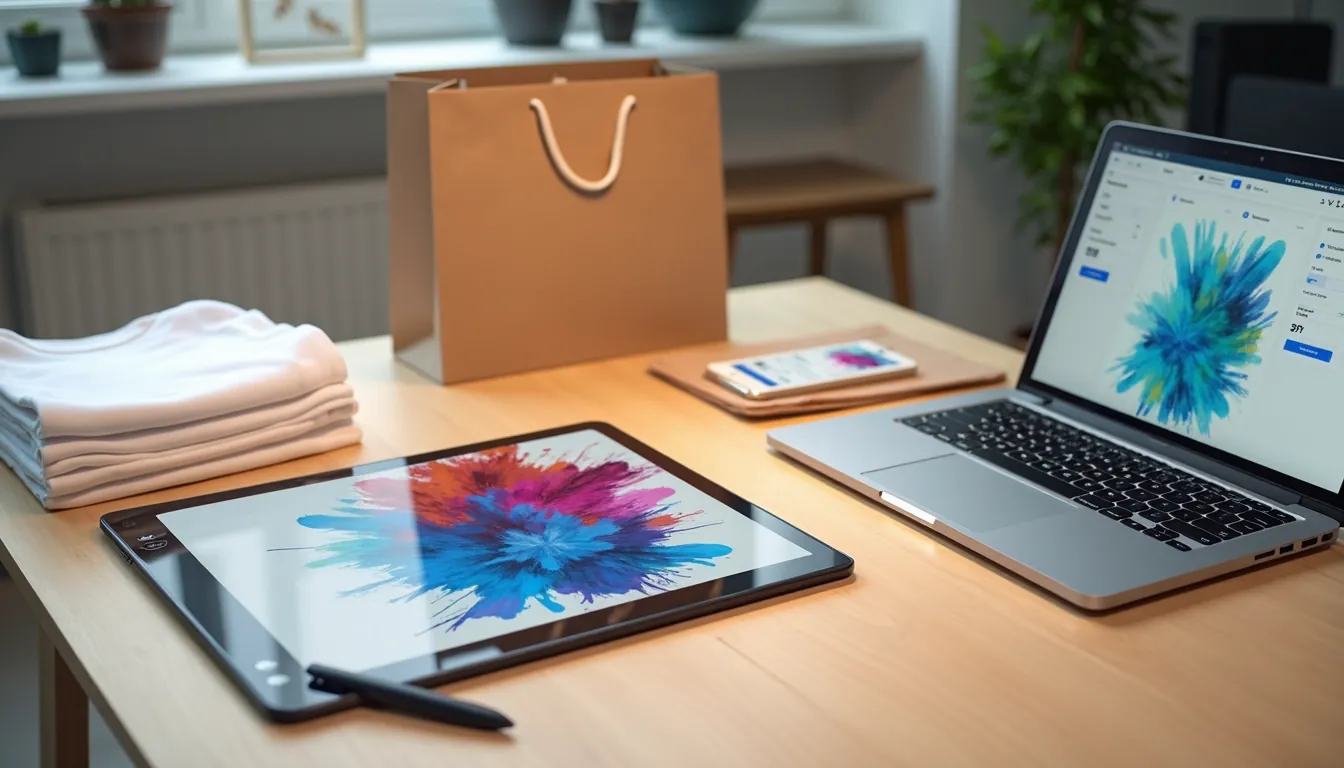
Print on Demand, or POD, is a fantastic way for artists to sell their unique designs. Imagine creating a beautiful artwork and having it appear on t-shirts, mugs, phone cases, or even wall art. With POD, you don’t need to buy a single item beforehand.
Here’s how it works simply: You create a design, and a special POD company handles the printing and shipping. When a customer buys something from your online store, the POD company prints your design on the chosen product. Then, they send it directly to your customer.
This means you never touch the products or worry about keeping stock. You get to focus on what you love most: making art. It’s a low-risk way to turn your art into physical products.
Understanding Dropshipping for Artists
Dropshipping is another way to sell things online without holding any products yourself. But it works a bit differently from Print on Demand. With dropshipping, you sell products that already exist, like art supplies, specific types of canvases, or pre-made art prints from other companies.
When a customer orders something from your store, you then buy that item from a third-party supplier. This supplier ships the product directly to your customer. You never see or store the items yourself.
For artists, dropshipping can mean selling art tools, frames, or even curated prints from other artists. You act like a middleman, connecting customers with products you think they will love. It’s about curation and marketing existing goods.
Key Differences: Print on Demand vs Dropshipping for Artists
Choosing between Print on Demand vs Dropshipping for artists depends on your goals. Both let you avoid holding inventory, but they serve different business models. Let’s look at the main ways they are different. Knowing these differences will help you decide the best fit for your art business. You can think about what kind of products you want to sell and how much control you want over them.
Here’s a quick comparison:
| Feature | Print on Demand (POD) for Artists | Dropshipping for Artists |
|---|---|---|
| Product Type | Your unique art designs on various blank products (t-shirts, mugs, prints). | Existing physical products (art supplies, frames, pre-made prints from suppliers). |
| Inventory | None. Products are made only when ordered. | None. Products are stored and shipped by a supplier. |
| Design Control | Full control over the art printed on products. | No control over the product design itself (you curate existing items). |
| Branding | Strong personal brand built around your art. | Brand often built around your store’s curation or niche. |
| Profit Margins | Often set by you after POD company costs; can vary. | Set by you after supplier cost; can vary widely. |
| Quality Control | Relies on POD provider’s quality; you may order samples. | Relies on supplier’s quality; you should order samples. |
| Supplier | Specialized POD companies (Printful, Printify). | General suppliers, marketplaces (AliExpress) or niche wholesalers. |
| Complexity | Generally simpler setup for designs; less supplier management. | Finding reliable suppliers can be complex; more product research. |
Tools for Artists: POD vs Dropshipping
To get started with either model, you’ll need the right tools. These tools help you create your store, manage your products, and connect with customers. They make running your art business much easier. Let’s explore some common tools for both POD and dropshipping.
POD Tools for Artists
When you’re looking for POD tools for artists, you’ll find platforms that connect your designs to physical products. These companies handle the printing, packaging, and shipping. They integrate with popular online stores, making it easy for you.
- Printful: This is a very popular choice. Printful offers many products like apparel, home decor, and accessories. They have great quality and a wide range of integration options for your online store. You can easily connect them to Shopify, Etsy, or WooCommerce.
- Printify: Similar to Printful, Printify works with many different print providers. This means you can often find better prices or specific products. You design, they print, and your customer receives the item. They also integrate with major e-commerce platforms.
- Gelato: Gelato focuses on fast, global printing and delivery. They have a network of print partners worldwide, which can mean quicker shipping times for your international customers. They are a good option for artists with a global audience.
- Redbubble & Society6: These are marketplaces specifically for artists. You upload your designs, and they handle everything else. Customers buy directly from Redbubble or Society6, and you earn a commission. They are very easy to use, but you have less control over your own storefront.
- Etsy + POD Integration: Many artists start on Etsy because it’s an art-focused marketplace. You can integrate POD services like Printful or Printify directly with your Etsy shop. This way, you get the benefits of Etsy’s audience combined with POD convenience.
- Design Software: To create your art, you’ll need design software. Adobe Photoshop or Illustrator are professional choices. GIMP and Canva are free or lower-cost options that are great for beginners. These are essential POD tools for artists.
Dropshipping Tools Ecommerce for Artists
If you choose dropshipping, you’ll need tools to build your online store and find suppliers. These dropshipping tools ecommerce options help you manage your product listings and orders efficiently. They connect you to a world of products you can sell.
- Shopify: This is a leading e-commerce platform for dropshipping. Shopify makes it easy to build a beautiful online store without knowing how to code. It offers many apps that connect you directly to dropshipping suppliers. Many artists use Shopify as their artist ecommerce tool.
- WooCommerce: If you already have a website built with WordPress, WooCommerce is a powerful plugin. It turns your WordPress site into a full-featured online store. Like Shopify, it has many extensions for dropshipping integration.
- Oberlo (or DSers for AliExpress): These are apps that integrate with Shopify and WooCommerce. They help you find products from suppliers, especially on AliExpress, and import them into your store with just a few clicks. They also automate order fulfillment.
- SaleHoo & Worldwide Brands: These platforms help you find verified dropshipping suppliers and wholesalers. They often charge a membership fee but can save you time and help you avoid unreliable suppliers. This is crucial for successful dropshipping.
- Product Research Tools: Tools like SEMrush or Ahrefs can help you find trending art-related products to sell. Even simpler tools like Google Trends can show you what people are searching for. These help you choose popular items for your store.
Setup Explained: Step-by-Step for Artists
Getting your art business online might seem complicated, but it’s really a series of manageable steps. Whether you choose Print on Demand or dropshipping, a clear plan will guide you. We will walk through the setup process for each method. You’ll see that both paths offer a straightforward way to start selling.
Setting Up Your Print on Demand Art Business
Setting up your Print on Demand art business is exciting because you get to see your art come to life on products. This process focuses on your designs and choosing the right platform. It’s an excellent way to launch your unique brand.
- Create Your Art Designs: This is the fun part! Develop high-quality digital art files suitable for printing. Make sure your images are high resolution (at least 300 DPI) for the best print quality. Consider designs that look good on various product types.
- Choose a POD Platform: Select a POD service like Printful, Printify, or Gelato. Sign up for an account. If you want to sell on a marketplace, consider Redbubble or Society6 instead. Each platform has different product offerings and pricing.
- Set Up Your Online Store:
- Option A: Your own E-commerce Store (Recommended for branding): Build a store on Shopify, WooCommerce, or similar platforms. This gives you the most control over your brand and customer experience. You’ll link your POD platform to this store.
- Option B: Marketplace (Simpler start): Create a shop on Etsy, Redbubble, or Society6. This is quicker as the platform handles the store setup. However, you pay more fees and have less control over branding.
- Connect Your Store to the POD Platform: If you chose an e-commerce store (like Shopify), use the POD platform’s integration tools. This syncs your products and orders automatically. When an order comes in, the POD company gets the details.
- Create Product Mockups: Use the POD platform’s tools to create mockups of your art on various products. These are images that show customers what the finished item will look like. High-quality mockups are key for sales.
- Add Products to Your Store: Upload your mockups and product details (descriptions, prices) to your chosen online store. Write engaging product descriptions that tell the story behind your art. Set your profit margins carefully.
- Marketing and Promotion: Once your store is ready, tell people about it! Use social media (Instagram, Pinterest are great for artists), email marketing, or even paid ads. Share your art and the products you’ve created.
Setting Up Your Dropshipping Art Business
Setting up your dropshipping art business involves finding products and suppliers, then building your store around them. This method is more about curation and marketing. It requires careful research to find reliable partners.
- Niche Selection: Decide what specific art-related products you want to sell. Will it be unique paintbrushes, specialty papers, custom frames, or limited edition prints from other artists? A clear niche helps you target the right customers.
- Find Reliable Suppliers: This is a crucial step. Use platforms like Oberlo (for AliExpress), SaleHoo, or directly contact wholesalers. Look for suppliers with good reviews, fast shipping times, and high-quality products. Order samples to check product quality yourself.
- Build Your Online Store:
- Shopify: This is often the easiest and most popular choice for dropshipping. It has many built-in features and apps to help.
- WooCommerce (WordPress): A great option if you prefer more control and are comfortable with WordPress.
- Other Platforms: Consider BigCommerce or Squarespace if they fit your needs better.
- Integrate Dropshipping Apps: Install apps like Oberlo or DSers (for Shopify/WooCommerce) to easily import products from your suppliers. These apps also help automate the ordering process.
- List Products with Descriptions: Import products from your chosen supplier into your store. Write compelling product descriptions. Don’t just copy what the supplier provides. Highlight why these products are perfect for artists. Use high-quality images.
- Set Your Pricing and Profit Margins: Calculate your profit margin by considering the supplier’s cost, shipping fees, platform fees, and your desired profit. Price your products competitively but fairly.
- Marketing and Promotion: Drive traffic to your store! Use social media, search engine optimization (SEO) to help people find your store on Google, or run paid advertisements. Engage with the artist community online.
- Customer Service: Even though you don’t handle the products, you are responsible for customer service. Be ready to answer questions, handle returns (according to your policy), and resolve any issues.
Costs Explained: Print on Demand vs Dropshipping for Artists
Understanding the money side is key before you start your online art business. Both Print on Demand and dropshipping have different startup costs and ongoing expenses. Let’s break down the financial commitments for each. You’ll see a clear picture of what you might need to spend.
POD Startup Cost Artists
One of the biggest perks of Print on Demand is its low entry barrier. The POD startup cost artists face is generally much lower than traditional retail. You don’t buy products until they are already sold.
Here’s a breakdown of potential costs:
- Design Software (Optional, can be free):
- Free: GIMP, Canva (free tier), Krita. These are excellent for creating art without spending money.
- Paid: Adobe Creative Cloud (Photoshop, Illustrator) can cost around $20-$60 per month. This is an investment if you want professional tools.
- E-commerce Platform Subscription (Optional):
- Shopify: Plans start around $29 per month. This gives you a professional storefront.
- WooCommerce (on WordPress): Free plugin, but you pay for hosting (around $5-$15 per month) and a domain.
- Etsy/Redbubble/Society6: Free to set up a shop. They take a percentage of your sales as fees (e.g., Etsy listing fees + transaction fees, Redbubble/Society6 artist margins).
- Domain Name (Optional, but recommended for branding): Around $10-$15 per year. A custom domain like “yourart.com” looks very professional.
- Product Samples (Highly Recommended): The cost of ordering one of your own products to check quality. This can range from $15-$50+ per item, depending on the product. It’s a small upfront cost but vital for quality control.
- Marketing & Advertising (Variable): This can be $0 if you rely on free social media. Paid ads can start from $20-$100+ per month, depending on your budget.
Summary for POD Startup Cost Artists: You could start a POD business for as little as $0 (using free design tools and a marketplace like Redbubble). For a branded store with Shopify and a domain, expect around $40-$80 per month initially, plus any marketing you choose to do.
Dropshipping Setup Cost Guide for Artists
The dropshipping setup cost guide shows that it can also be low-cost, but often has more moving parts than POD. You’re still not holding inventory, but finding and managing suppliers introduces new considerations. You’ll need to invest more in store setup and supplier research.
Here’s a look at common dropshipping setup costs:
- E-commerce Platform Subscription:
- Shopify: Plans start around $29 per month. Essential for a professional dropshipping store.
- WooCommerce (on WordPress): Free plugin, but you pay for hosting ($5-$15 per month) and a domain.
- Domain Name: Around $10-$15 per year. A custom domain makes your store look trustworthy.
- Dropshipping App Fees:
- Oberlo/DSers (basic plans): Often free for a limited number of products. Paid plans for more features can be $5-$30 per month.
- Supplier Directories (e.g., SaleHoo): Membership can be around $67 per year or a one-time fee. This is optional but can save time finding good suppliers.
- Product Samples (Highly Recommended): The cost of ordering samples from your chosen suppliers to check quality and shipping times. This can be $20-$100+ depending on the product type and quantity. This is very important before selling to customers.
- Marketing & Advertising (Variable): Similar to POD, this can range from $0 (organic social media) to hundreds of dollars per month for paid ads. You’ll need to drive traffic to your curated products.
- Logo and Branding (Optional, can be free): You might pay for a professional logo design (around $50-$200) or use free tools like Canva.
Summary for Dropshipping Setup Cost Guide: A basic dropshipping store with Shopify and a free dropshipping app could cost around $30-$60 per month initially, plus marketing and sample costs. Investing in supplier directories or professional design could add to this.
Ecommerce Setup Costs Artists: A Comparison
Let’s put the ecommerce setup costs artists face side-by-side. This table helps you quickly compare the initial financial outlay and ongoing expenses. You can see which model aligns better with your budget. Remember, these are estimates, and your actual costs may vary.
| Cost Category | Print on Demand (POD) for Artists | Dropshipping for Artists |
|---|---|---|
| Design Software | Free (GIMP, Canva) to $60/month (Adobe Creative Cloud) | Free (Canva for logo) to $200 (professional logo design) |
| E-commerce Platform | Free (Marketplaces) to $29/month (Shopify Basic) | $29/month (Shopify Basic) or $5-15/month (WooCommerce hosting) |
| Domain Name | $10-15/year (Optional) | $10-15/year (Recommended) |
| POD/Dropship Apps | Free (Built-in integrations) or minor app fees | Free (Basic plans) to $30/month (Advanced app features) |
| Product Samples | $15-50+ per item (Highly Recommended) | $20-100+ per item (Highly Recommended) |
| Supplier Directories | N/A | $0 (manual search) to $67/year (e.g., SaleHoo) |
| Marketing/Ads | Variable ($0 to hundreds/month) | Variable ($0 to hundreds/month) |
| Estimated Initial Monthly | $0 to $80+ (not including samples & heavy ads) | $30 to $150+ (not including samples & heavy ads) |
Profit Margins and Pricing for Artists
Understanding how much money you can actually make is super important. Both POD and dropshipping allow you to set your own prices, but your profit will depend on different factors. Let’s explore how to figure out your profit and price your art or products effectively. This will help you make sure your business is sustainable.
Print on Demand Profit Margins
With Print on Demand, your profit is usually the selling price minus the POD company’s base cost for the product and shipping. The base cost includes the blank item and the printing service. You have a lot of control over your selling price.
- Base Cost: This is what the POD company charges you for the product and shipping. For example, a t-shirt might cost $15 to print and ship.
- Your Selling Price: You decide this. If you sell that t-shirt for $25, your profit is $10.
- Platform Fees: If you sell on Etsy or Shopify, they take a small percentage or a transaction fee.
- Example: A mug costs $8 to produce + $5 to ship = $13 base cost. You sell it for $25. Your profit is $12 (minus any store fees).
Tips for Pricing POD Products:
- Research Competitors: See what similar artists are charging for similar products.
- Value Your Art: Don’t underprice your unique designs. Your art has value!
- Factor in Marketing: If you spend money on ads, include that in your pricing strategy.
- Consider Perceived Value: High-quality mockups and good branding can justify higher prices.
- Offer Tiers: Sell different products at different price points (e.g., small prints vs. large framed art).
Dropshipping Profit Margins
For dropshipping, your profit is the selling price minus the supplier’s cost for the product and shipping. You also need to factor in any app fees or transaction fees from your e-commerce platform. Finding reliable suppliers with good wholesale prices is key here.
- Supplier Cost: What you pay your supplier for the product and shipping. For example, an art brush set might cost you $10 from the supplier.
- Your Selling Price: You set this. If you sell the brush set for $25, your gross profit is $15.
- Platform Fees: Shopify or WooCommerce (transaction fees if using certain payment gateways) will take a small percentage.
- App Fees: If your dropshipping app has a monthly fee or per-transaction fee, factor that in.
- Example: A special canvas costs $15 from the supplier + $7 for shipping = $22 total supplier cost. You sell it for $40. Your profit is $18 (minus any store or app fees).
Tips for Pricing Dropshipped Products:
- Always Know Your Costs: Calculate all costs: product, shipping, platform fees, app fees.
- Aim for a Healthy Margin: Dropshipping often has lower margins than POD, so aim for at least 20-30% if possible. Some products may allow for higher.
- Bundle Products: Offer complementary items together (e.g., a sketchbook with a pen set) to increase average order value.
- Run Sales and Promotions: Use discounts strategically to attract customers and move inventory.
- Monitor Competitors: Keep an eye on what other dropshippers are charging for similar items.
Which is Right for You? A Decision Guide
Deciding between Print on Demand vs Dropshipping for artists comes down to your unique vision and what kind of business you want to build. Both offer incredible opportunities, but they suit different artistic goals. Let’s help you figure out the best fit. Consider your strengths, your interests, and what kind of products excite you.
When Print on Demand is Better for You:
- You want to sell your unique art and designs: If your passion is creating original artwork and seeing it on various products, POD is perfect. You are the designer.
- You prioritize brand building around your artistic style: POD lets you build a strong brand identity tied directly to your unique artistic voice. Your designs are the core product.
- You want minimal upfront risk and hassle: With POD, you don’t buy anything until a customer orders. This means no wasted inventory or large startup costs.
- You prefer a simpler operational model: Once your designs are uploaded and your store is set up, the POD company handles much of the work. You focus on design and marketing.
- You want a wide range of products without managing multiple suppliers: POD companies offer many different products from one source.
- You are happy with typical POD profit margins: While generally good, they might be lower than if you bought in bulk yourself.
When Dropshipping is Better for You:
- You enjoy curating products for other artists or art lovers: If you like finding and promoting useful or beautiful art-related items, dropshipping lets you do that. You are the curator.
- You want to offer a very wide range of general art-related products: Dropshipping allows you to sell many different types of products sourced from various suppliers.
- You are skilled at finding good deals and reliable suppliers: Success in dropshipping often depends on your ability to source high-quality products at good prices.
- You are comfortable with a bit more supplier management: You might deal with multiple suppliers for different products, which requires organization.
- You want to experiment with different product niches quickly: Dropshipping makes it easy to add and remove products from your store based on demand without financial risk.
- You are confident in your customer service skills: You are the face of the business, even if a supplier ships the product.
Startup Cost & Profit Estimator for Artists
This calculator will help you compare potential startup costs and monthly profits for a Print on Demand (POD) and a Dropshipping business. It’s an artist ecommerce tool to give you a rough idea.
1
2
3
4
5
6
7
8
9
10
11
12
13
14
15
16
17
18
19
20
21
22
23
24
25
26
27
28
29
30
31
32
33
34
35
36
37
38
39
40
41
42
43
44
45
46
47
48
49
50
51
52
53
54
55
56
57
58
59
60
61
62
63
64
65
66
67
68
69
70
71
72
73
74
75
76
77
78
79
80
81
82
83
84
85
86
87
88
89
90
91
92
93
94
95
96
97
98
99
100
101
102
103
104
105
106
107
108
109
110
111
112
113
114
115
116
117
118
119
120
121
122
123
124
125
126
127
128
129
130
131
132
133
134
135
136
137
138
139
140
141
142
143
144
145
146
147
148
149
150
151
152
153
154
155
156
157
158
159
160
161
162
163
164
165
166
167
168
169
170
171
172
173
174
175
176
177
178
179
180
181
182
183
184
185
186
187
188
189
190
191
192
193
194
195
196
197
198
199
200
201
202
203
204
<style>
    .calculator-container {
        font-family: Arial, sans-serif;
        max-width: 700px;
        margin: 20px auto;
        padding: 20px;
        border: 1px solid #ddd;
        border-radius: 8px;
        background-color: #f9f9f9;
        box-shadow: 0 2px 4px rgba(0,0,0,0.1);
    }
    .calculator-container h3 {
        color: #333;
        text-align: center;
        margin-bottom: 20px;
    }
    .input-group {
        margin-bottom: 15px;
    }
    .input-group label {
        display: block;
        margin-bottom: 5px;
        font-weight: bold;
        color: #555;
    }
    .input-group input[type="number"] {
        width: calc(100% - 22px);
        padding: 10px;
        border: 1px solid #ccc;
        border-radius: 4px;
        font-size: 16px;
    }
    .calculator-button {
        display: block;
        width: 100%;
        padding: 12px;
        background-color: #007bff;
        color: white;
        border: none;
        border-radius: 4px;
        font-size: 18px;
        cursor: pointer;
        transition: background-color 0.3s ease;
        margin-top: 20px;
    }
    .calculator-button:hover {
        background-color: #0056b3;
    }
    .results {
        margin-top: 30px;
        padding-top: 20px;
        border-top: 1px solid #eee;
    }
    .results h4 {
        color: #333;
        margin-bottom: 15px;
        text-align: center;
    }
    .result-section {
        background-color: #e2f0ff;
        border: 1px solid #b3d7ff;
        border-radius: 6px;
        padding: 15px;
        margin-bottom: 15px;
    }
    .result-section h5 {
        color: #0056b3;
        margin-top: 0;
        margin-bottom: 10px;
    }
    .result-section p {
        margin-bottom: 5px;
        color: #333;
    }
    .result-section p span {
        font-weight: bold;
        color: #000;
    }
</style>

<div class="calculator-container">
    <h3>Artist Business Cost & Profit Estimator</h3>
    <p>Enter your estimates to see a comparison for Print on Demand vs Dropshipping.</p>

    <div class="input-group">
        <label for="avgSalePrice">Average Selling Price per Item ($):</label>
        <input type="number" id="avgSalePrice" value="30" min="1">
    </div>

    <div class="input-group">
        <label for="monthlySales">Estimated Monthly Sales (items):</label>
        <input type="number" id="monthlySales" value="50" min="0">
    </div>

    <hr>
    <h4>Print on Demand (POD) Estimates</h4>
    <div class="input-group">
        <label for="podBaseCost">Average POD Product Base Cost per Item ($):</label>
        <input type="number" id="podBaseCost" value="15" min="1">
    </div>
    <div class="input-group">
        <label for="podPlatformFee">Monthly E-commerce Platform Fee (e.g., Shopify, $):</label>
        <input type="number" id="podPlatformFee" value="29" min="0">
    </div>
    <div class="input-group">
        <label for="podMarketingBudget">Monthly Marketing Budget ($):</label>
        <input type="number" id="podMarketingBudget" value="50" min="0">
    </div>

    <hr>
    <h4>Dropshipping Estimates</h4>
    <div class="input-group">
        <label for="dropshipSupplierCost">Average Dropship Supplier Cost per Item ($):</label>
        <input type="number" id="dropshipSupplierCost" value="12" min="1">
    </div>
    <div class="input-group">
        <label for="dropshipPlatformFee">Monthly E-commerce Platform Fee (e.g., Shopify, $):</label>
        <input type="number" id="dropshipPlatformFee" value="29" min="0">
    </div>
    <div class="input-group">
        <label for="dropshipAppFee">Monthly Dropshipping App Fee (e.g., Oberlo, $):</label>
        <input type="number" id="dropshipAppFee" value="10" min="0">
    </div>
    <div class="input-group">
        <label for="dropshipMarketingBudget">Monthly Marketing Budget ($):</label>
        <input type="number" id="dropshipMarketingBudget" value="75" min="0">
    </div>

    <button class="calculator-button" onclick="calculateCosts()">Calculate My Estimates</button>

    <div class="results" id="results">
        <!-- Results will be displayed here -->
    </div>
</div>

<script>
    function calculateCosts() {
        const avgSalePrice = parseFloat(document.getElementById('avgSalePrice').value);
        const monthlySales = parseFloat(document.getElementById('monthlySales').value);

        const podBaseCost = parseFloat(document.getElementById('podBaseCost').value);
        const podPlatformFee = parseFloat(document.getElementById('podPlatformFee').value);
        const podMarketingBudget = parseFloat(document.getElementById('podMarketingBudget').value);

        const dropshipSupplierCost = parseFloat(document.getElementById('dropshipSupplierCost').value);
        const dropshipPlatformFee = parseFloat(document.getElementById('dropshipPlatformFee').value);
        const dropshipAppFee = parseFloat(document.getElementById('dropshipAppFee').value);
        const dropshipMarketingBudget = parseFloat(document.getElementById('dropshipMarketingBudget').value);

        if (isNaN(avgSalePrice) || isNaN(monthlySales) || avgSalePrice <= 0) {
            alert("Please enter valid positive numbers for Average Selling Price and Monthly Sales.");
            return;
        }

        // --- POD Calculations ---
        const podTotalRevenue = avgSalePrice * monthlySales;
        const podTotalProductCost = podBaseCost * monthlySales;
        const podOperatingCosts = podPlatformFee + podMarketingBudget;
        const podNetProfit = podTotalRevenue - podTotalProductCost - podOperatingCosts;

        // --- Dropshipping Calculations ---
        const dropshipTotalRevenue = avgSalePrice * monthlySales;
        const dropshipTotalProductCost = dropshipSupplierCost * monthlySales;
        const dropshipOperatingCosts = dropshipPlatformFee + dropshipAppFee + dropshipMarketingBudget;
        const dropshipNetProfit = dropshipTotalRevenue - dropshipTotalProductCost - dropshipOperatingCosts;

        const resultsDiv = document.getElementById('results');
        resultsDiv.innerHTML = `
            <h4>Your Estimated Monthly Results:</h4>


<script async src="https://pagead2.googlesyndication.com/pagead/js/adsbygoogle.js?client=ca-pub-2784742237479601"
     crossorigin="anonymous"></script>
<ins class="adsbygoogle"
     style="display:block; text-align:center;"
     data-ad-layout="in-article"
     data-ad-format="fluid"
     data-ad-client="ca-pub-2784742237479601"
     data-ad-slot="7340313511"></ins>
<script>
     (adsbygoogle = window.adsbygoogle || []).push({});
</script>


            <div class="result-section">
                <h5>Print on Demand (POD) Estimates</h5>
                <p>Total Revenue: <span>$${podTotalRevenue.toFixed(2)}</span></p>
                <p>Total Product Costs: <span>$${podTotalProductCost.toFixed(2)}</span></p>
                <p>Monthly Operating Costs (Platform + Marketing): <span>$${podOperatingCosts.toFixed(2)}</span></p>
                <p>Estimated Net Profit: <span>$${podNetProfit.toFixed(2)}</span></p>
            </div>

            <div class="result-section">
                <h5>Dropshipping Estimates</h5>
                <p>Total Revenue: <span>$${dropshipTotalRevenue.toFixed(2)}</span></p>
                <p>Total Product Costs (Supplier): <span>$${dropshipTotalProductCost.toFixed(2)}</span></p>
                <p>Monthly Operating Costs (Platform + App + Marketing): <span>$${dropshipOperatingCosts.toFixed(2)}</span></p>
                <p>Estimated Net Profit: <span>$${dropshipNetProfit.toFixed(2)}</span></p>
            </div>

            <p>Remember, these are estimates. Actual results may vary based on market conditions, product quality, and your marketing efforts.</p>
        `;
    }
</script>
Advanced Tips for Artists
Once you’ve chosen between Print on Demand vs Dropshipping for artists, these tips can help you grow. Making your store stand out and keeping customers happy are vital. Think about how you can improve your business over time. These advanced strategies will help you build a lasting and successful art venture.
Branding and Marketing
- Tell Your Story: Your art and your brand should tell a story. Why do you create? What inspires you? Share this with your audience. This helps customers connect with you.
- High-Quality Visuals: For POD, use professional mockups. For dropshipping, ensure product photos are excellent. Good images are essential for both.
- Social Media Power: Instagram, Pinterest, and TikTok are visual platforms perfect for artists. Share your process, finished pieces, and product mockups. Use relevant hashtags.
- Email Marketing: Collect customer emails and send newsletters. Share new art, promotions, or behind-the-scenes content. An artist ecommerce tool for email is Mailchimp.
- Search Engine Optimization (SEO): Use keywords in your product titles and descriptions so people can find your store on Google. For example, use “unique watercolor prints” or “eco-friendly art supplies.”
- Collaborate: Work with other artists or influencers. They can promote your work to their audience, reaching more potential buyers.
Customer Service Excellence
- Be Responsive: Answer customer questions quickly and politely. Fast replies build trust.
- Clear Policies: Have clear policies for shipping, returns, and refunds. Make these easy for customers to find on your website.
- Handle Issues Gracefully: If there’s a problem (e.g., a damaged item), work with your POD provider or dropshipping supplier to fix it fast. Your reputation depends on it.
- Personal Touches: Consider adding a small thank-you note (even a digital one) with each order. This can make customers feel special.
Scaling Your Business
- Diversify Products: Once you have some success, add more products. For POD, explore new items like blankets or phone cases. For dropshipping, find new art supplies or complementary items.
- Automate Processes: Use apps and tools to automate tasks like order fulfillment, email marketing, and social media posting. This frees up your time.
- Expand Marketing Channels: Try new advertising platforms or types of content. Don’t put all your eggs in one basket.
- Analyze Your Data: Look at your sales data. Which products sell best? Where are your customers coming from? Use this information to make smart business decisions. Tools like Google Analytics can be a great artist ecommerce tool for insights.
- Consider a Hybrid Model: Once you’re established, you might try a mix. Use POD for your unique designs and dropship some curated art supplies. This gives you the best of both worlds.
FAQ Section
Here are some common questions artists ask about Print on Demand vs Dropshipping.
Q1: Is Print on Demand (POD) really free to start? A1: You can start a POD business with very little money. If you use free design software and a marketplace like Redbubble or Society6, you might pay nothing upfront. However, if you want your own website (like on Shopify) and a custom domain, there will be monthly fees.
Q2: How do I ensure the quality of products with POD or dropshipping? A2: The best way is to order samples! Before you sell anything to customers, buy a few of your own products. Check the print quality for POD or the product quality for dropshipping. This helps you ensure customers get good items.
Q3: Can I combine Print on Demand and Dropshipping? A3: Yes, absolutely! Many artists use a hybrid model. They sell their own unique art through Print on Demand services. Then, they might dropship art supplies or frames that go well with their art from different suppliers. This can give customers more options.
Q4: Do I need a business license for POD or dropshipping? A4: This depends on where you live. In many places, you might need a simple business license or to register your business name. It’s always best to check with your local government or a small business advisor.
Q5: How do returns work for Print on Demand and Dropshipping? A5: For POD, returns usually go back to the POD company or you might handle them directly depending on their policy. For dropshipping, returns typically go back to the supplier, but you handle the customer communication. Always have clear return policies on your website.
Q6: What’s the biggest challenge for artists in POD? A6: The biggest challenge for artists in POD is often standing out in a crowded market and driving traffic to their store. Marketing your unique art effectively is crucial.
Q7: What’s the biggest challenge for artists in dropshipping? A7: For dropshipping, the biggest challenge can be finding reliable suppliers who offer good quality products and fast shipping. Poor supplier performance can hurt your store’s reputation.
Q8: Can I use my existing art for POD? A8: Yes, absolutely! If your art is already in a digital format (or can be scanned at high resolution), you can use it for POD. Just make sure the resolution is high enough for good print quality (usually 300 DPI).
Conclusion
Deciding between Print on Demand vs Dropshipping for artists is a big step, but hopefully, this guide has made it clearer. Both methods let you sell art-related products online without holding inventory. POD is fantastic if you want to sell your unique art designs on various items. Dropshipping is great for curating and selling existing art supplies or complementary products.
You’ve learned about the POD tools for artists and dropshipping tools ecommerce options, making setup straightforward. We’ve also broken down the ecommerce setup costs artists might encounter, from POD startup cost artists face to a comprehensive dropshipping setup cost guide. Remember, the best choice depends on your artistic goals, your time, and your budget.
No matter which path you choose, the most important thing is to start. Begin small, learn as you go, and always keep creating. Your art deserves to be seen, and now you have the tools to share it with the world. Good luck on your artistic business journey!


Leave a comment