
Print on Demand vs Dropshipping for Artists: Pros, Cons & Profit Potential
Print on Demand vs Dropshipping for Artists: Pros, Cons & Profit Potential
Are you an artist dreaming of selling your beautiful creations online and making a great income? You’ve probably heard about two popular ways to do this: Print on Demand (POD) and Dropshipping. Both models let you sell products without holding any inventory, which means less risk for you. But how do they compare in terms of how much money you can make, and which one is better for your unique art business?
Let’s dive into the exciting world of online selling for artists. We’ll explore the pros and cons of each method and help you understand their profit potential. By the end, you’ll have a clear idea of which path might lead to more success for your art. Get ready to turn your passion into profit!
Understanding Print on Demand (POD) for Artists
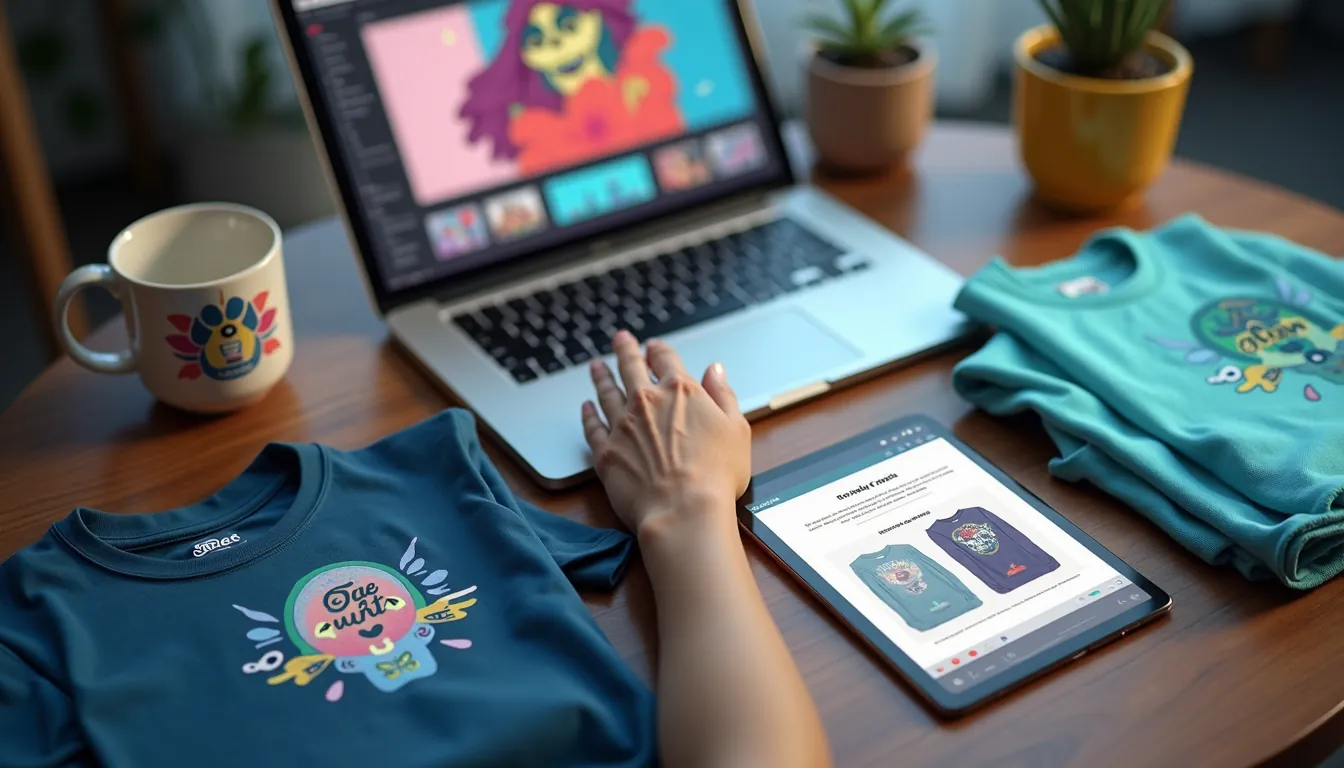
Print on Demand, or POD, is a fantastic POD business model artists often choose. It allows you to put your unique artwork on a variety of products like t-shirts, mugs, phone cases, and wall art. You don’t need to buy these items upfront.
Instead, the POD company prints your design on a product only after a customer places an order. Then, they ship it directly to your customer. This means you only pay for the product when someone buys it.
How POD Works for Artists
The process is quite straightforward for artists wanting to sell their work. First, you create an account on a POD platform. Next, you upload your digital art files to their website. You then choose which products you want to sell with your art on them.
When a customer buys something from your online store, the POD company receives the order. They print your art onto the chosen item, package it, and send it directly to your customer. You never touch the product yourself.
Pros of Print on Demand for Artists
The POD business model artists love offers many benefits. These advantages make it an appealing option for creators looking to expand their reach. Let’s look at why POD is so popular.
Low Startup Cost
One of the biggest advantages is that you don’t need much money to start. You don’t buy products in bulk or rent a warehouse. All you need is your digital artwork and an online store.
This makes POD a low-risk way to test out new designs or product ideas. You can begin selling with very little financial investment. This is perfect for artists just starting their online journey.
No Inventory to Manage
Imagine having dozens of designs on hundreds of products without ever storing a single item. That’s the magic of POD. You won’t have to worry about running out of stock or having too much unsold inventory.
The POD company handles all the physical products for you. This frees up your time and space, letting you focus on what you do best: creating art.
Wide Product Range
POD platforms offer a huge variety of products where you can display your art. From clothing and accessories to home decor and stationery, the options are vast. You can experiment with different product types to see what your audience loves most.
This allows you to cater to diverse customer tastes and expand your brand. Imagine your art on a beautiful canvas print or a cozy hoodie. The possibilities are endless!
Focus on Your Art Creation
Since the POD company handles printing, packaging, and shipping, you can spend more time on your passion. You can dedicate yourself to creating new art and designs. This is a huge benefit for artists who want to stay in their creative flow.
You won’t get bogged down with logistics or customer service related to fulfillment. Your main job is to create amazing artwork that people want to buy.
Easy to Scale Your Business
Once your designs are uploaded, they can be sold again and again. You can add new products or designs easily without extra effort. As your business grows, the POD company can handle increased orders without you needing to do more work on your end.
This means you can grow your art business without needing more storage or staff. It’s a truly scalable model for ambitious artists.
Cons of Print on Demand for Artists
While POD sounds great, it also has some downsides you should know. Being aware of these challenges helps you make an informed decision. Let’s explore the potential drawbacks.
Lower Profit Margins
Since the POD company does most of the work, they take a cut of each sale. This means your POD profit margins artists can achieve are often smaller than if you printed and shipped items yourself. You pay for the base product cost and their service.
It’s important to price your products carefully to ensure you still make a good profit. Sometimes, you might need to sell more items to reach your income goals. Understanding your costs is key.
Less Control Over Quality and Shipping
You rely on the POD company for product quality and timely shipping. If a customer receives a low-quality item or a late delivery, it reflects on your brand. You have less direct control over these aspects.
It’s crucial to choose a reliable POD partner with good reviews. Always order samples of your products to check the quality yourself. This way, you can ensure your customers get the best.
Branding Limitations
Some POD platforms offer limited options for custom branding on packaging. Your customers might receive products in generic packaging. This can make it harder to build a strong, unique brand experience.
While some platforms allow custom packing slips or stickers, full branding might require more advanced services. Consider how important a branded unboxing experience is for your target audience.
High Competition
Because POD is so accessible, many artists use it. This means your art might be competing with countless others on the same platforms or in the same niches. Standing out requires effort.
You need strong marketing and unique designs to attract customers. Building a recognizable brand helps you cut through the noise.
Popular POD Platforms for Artists
Many platforms cater to artists using the POD business model artists find appealing. Here are a few well-known ones:
- Printful: Known for high-quality printing, a wide product range, and integrations with popular e-commerce platforms like Shopify and Etsy.
- Printify: Offers a network of different print providers, which can give you more choice in product type and pricing. Also integrates with major e-commerce platforms.
- Redbubble: A marketplace where you upload your designs, and Redbubble handles everything else. They have a huge customer base looking for unique designs.
- Society6: Similar to Redbubble, it’s a marketplace focused on art prints, home decor, and apparel, with a strong aesthetic.
- Etsy: While not a POD platform itself, you can integrate POD services like Printful or Printify with your Etsy shop. This allows you to leverage Etsy’s massive audience.
- Shopify: You can build your own dedicated online store using Shopify and then connect it to POD apps like Printful or Printify. This gives you maximum control over your brand.
POD Profit Potential for Artists
Understanding POD profit margins artists can expect is vital for your business planning. Your profit is the money left over after all costs are paid. With POD, the main costs are the base product price, printing, and shipping.
Let’s say you sell a t-shirt with your design for $28. The POD company charges you $15 for the shirt, printing, and shipping directly to the customer. Your profit would be $13. This is before any platform fees or advertising costs.
The profit percentage can vary greatly depending on the product type and your pricing strategy. For example, the profit margin on a canvas print might be higher than on a sticker. Researching competitor pricing and understanding your base costs will help you set prices effectively.
Example POD Profit Calculation
| Item Sold | Selling Price | POD Base Cost (Product + Print + Shipping) | Gross Profit | Platform Fee (e.g., Etsy 6.5%) | Net Profit (before ads) | Profit Margin % |
|---|---|---|---|---|---|---|
| T-shirt | $28.00 | $15.00 | $13.00 | $1.82 | $11.18 | 39.9% |
| Mug | $18.00 | $10.00 | $8.00 | $1.17 | $6.83 | 37.9% |
| Canvas Print | $75.00 | $40.00 | $35.00 | $4.88 | $30.12 | 40.1% |
As you can see, the profit margin percentage is typically in the 30-50% range. This can change based on the POD provider and the item. Carefully calculating your costs and desired profit is a crucial selling artwork online tip.
Understanding Dropshipping for Artists
Now, let’s look at dropshipping. While often confused with POD, dropshipping has some key differences for artists. Dropshipping means you sell a product, but you don’t keep it in stock.
When a customer buys something from your store, you then buy that item from a third-party supplier. This supplier then ships the product directly to your customer. This model focuses on selling existing dropshipping art products or art-related items.
How Dropshipping Works for Artists
The process starts when you find a supplier who offers art-related products you want to sell. These could be unique art supplies, prints by other artists, or even custom-made frames. You list these items on your own online store.
When a customer makes a purchase, you forward their order details to your chosen supplier. You pay the supplier their wholesale price for the item. The supplier then packs and ships the product directly to your customer.
You earn the difference between your selling price and the supplier’s price. This model is more about curating products than creating them yourself. It’s a solid dropshipping art business guide strategy for those wanting to run an art-focused retail store.
Pros of Dropshipping for Artists
Dropshipping also has many appealing benefits, especially if you want to sell a wider range of art-related goods. It can be a flexible way to build an art-focused online store. Let’s explore its advantages.
Low Startup Cost
Just like POD, dropshipping doesn’t require you to invest in inventory upfront. You only pay for a product once a customer has already bought it from you. This significantly reduces your financial risk.
You don’t need to rent storage space or worry about unsold stock. This makes it an attractive option for artists wanting to start an online store without a large budget.
Wide Product Variety
With dropshipping, you can offer an enormous range of dropshipping art products in your store. You are not limited by what you can design yourself. You can source products from various suppliers around the world.
This allows you to create a diverse collection of art prints, unique art supplies, or even small decorative items. You can quickly add new items to test market demand.
No Inventory Management
You never have to touch or store any of the physical products. The supplier handles all the inventory and storage for you. This saves you a lot of time, effort, and physical space.
This means you can run your entire art business from anywhere with an internet connection. It’s truly a location-independent business model.
Global Reach
Many dropshipping suppliers offer international shipping. This allows you to sell to customers all over the world, expanding your potential audience. You can tap into markets beyond your local area.
This global reach can significantly boost your sales and brand recognition. Imagine your art-related products reaching art lovers worldwide.
Scalability
Once your store is set up and running, you can handle more orders without much extra work. You can add more products or even launch multiple stores. Your suppliers will scale with your demand.
This makes dropshipping a very scalable business model. As your brand grows, your operations remain streamlined and efficient.
Cons of Dropshipping for Artists
While attractive, dropshipping also comes with its own set of challenges. It’s important to understand these before you dive in. Let’s look at the potential downsides.
Variable Quality Control
You don’t directly inspect the products before they reach your customers. This means you rely entirely on your supplier for product quality. If a supplier sends out a faulty item, it reflects poorly on your brand.
It’s vital to research and choose reputable suppliers. Ordering samples beforehand is a smart dropshipping art business guide tip to ensure quality.
Longer Shipping Times (Often)
Many dropshipping suppliers are located overseas, especially from places like China. This can lead to longer shipping times for your customers. Long waits can sometimes result in customer frustration.
You need to be transparent about shipping times on your website. Offering expedited shipping options when possible can also help manage expectations.
Returns Management Can Be Tricky
Handling returns can be more complicated with dropshipping. You might need to coordinate with your supplier for returns or refunds. Policies can vary between different suppliers.
Clear return policies on your store are essential. Make sure you understand your supplier’s return process before you start selling.
High Competition
Dropshipping is a very popular e-commerce model, which means there’s a lot of competition. You’ll be competing with many other stores selling similar dropshipping art products. This can make it hard to stand out.
Effective marketing, excellent customer service, and a unique brand niche are crucial for success. You need to offer something special to attract customers.
Supplier Dependency
Your entire business relies on your suppliers. If a supplier runs out of stock, changes their prices, or stops selling a product, it directly impacts your store. You are dependent on their operations.
Having backup suppliers or diversifying your product sources can reduce this risk. Building good relationships with reliable suppliers is key.
More Direct Customer Service
While you don’t handle shipping, you are usually the first point of contact for customer questions and issues. You’ll manage inquiries about orders, products, and returns. This can be time-consuming.
Good customer service is vital for building trust and loyalty. Be prepared to answer questions promptly and professionally.
Finding Dropshipping Suppliers for Art Products
For artists looking to curate and sell dropshipping art products, finding the right suppliers is key. This might involve sourcing unique art supplies, prints from other artists, or art-related decor.
- AliExpress: A massive marketplace with millions of products, including many art supplies and decorative items. Be sure to vet suppliers carefully for quality and shipping times.
- Wholesale Art Suppliers: Some companies specialize in wholesale art prints or art materials that you can dropship. A quick search for “wholesale art prints dropship” or “art supply dropshipper” can yield results.
- Specific Art Marketplaces (with dropship programs): Some niche platforms might offer dropshipping options for their unique art products. Researching these can uncover hidden gems.
- Shopify Apps: The Shopify App Store has many dropshipping apps like DSers, which connect you to suppliers for various products.
- Print-on-Demand as a Supplier: Sometimes, a POD company acts as your ‘supplier’ if you’re selling your own art on their products. This blurs the line, but essentially, they are dropshipping your custom-designed product.
Dropshipping Profit Potential for Artists
The dropshipping art business guide to profit potential revolves around marking up the supplier’s price. Your profit is the difference between what you charge the customer and what you pay the supplier. You also need to factor in platform fees and advertising costs.
For example, if you sell a unique art print for $40, and your supplier charges you $20 for the print and shipping, your gross profit is $20. Out of this, you might pay website fees or marketing costs. Dropshipping can offer slightly higher profit margins than POD if you find good suppliers and price competitively.
However, dropshipping often requires more active marketing and customer service on your part. This means you might need to factor in your time as a cost too. A strong marketing strategy is a crucial selling artwork online tip for dropshippers.
Example Dropshipping Profit Calculation
| Item Sold | Selling Price | Supplier Cost (Product + Shipping) | Gross Profit | Platform Fee (e.g., Shopify 2.9% + $0.30) | Net Profit (before ads) | Profit Margin % |
|---|---|---|---|---|---|---|
| Art Print | $40.00 | $20.00 | $20.00 | $1.46 | $18.54 | 46.3% |
| Unique Brush | $15.00 | $7.00 | $8.00 | $0.74 | $7.26 | 48.4% |
| Desk Sculpture | $60.00 | $30.00 | $30.00 | $2.04 | $27.96 | 46.6% |
Dropshipping profit margins can range from 15% to 45% or even higher. It depends heavily on the product, supplier, and your pricing. Finding products with good demand and low supplier costs is key.
Print on Demand vs. Dropshipping for Artists: Side-by-Side Comparison
Now that we’ve explored both models, let’s put them side-by-side. This will help you clearly see the differences and decide which fits your art business best. This comparison is essential for any artist considering their online art store strategies.
Key Differences
Here’s a table outlining the main distinctions between the two models:
| Feature | Print on Demand (POD) | Dropshipping |
|---|---|---|
| Product Origin | You create the art/design, printed on generic products. | You sell existing products (art-related, or even your own art if a supplier manages pre-printed inventory for you). |
| Customization | High (your art on unique products). | Low (reselling existing products), or high if using a specific custom printing service. |
| Inventory | No physical inventory for you. | No physical inventory for you. |
| Supplier Role | Prints, packages, and ships your custom designs. | Sells and ships their (or another’s) existing products. |
| Quality Control | Relies on POD provider’s print quality. | Relies on dropshipping supplier’s product quality. |
| Branding | Often limited branding on packaging. | Generally, you can’t brand the product itself unless you white-label it from a specific supplier. |
| Profit Margins | Generally 30-50% for POD profit margins artists | Can be 15-45%+, depends on product and supplier markup for dropshipping art business guide |
| Focus | Artistic creation & design. | Curation, marketing, and sales of existing products. |
| Niche | Selling your unique art on products. | Selling art-related products or other artists’ work. |
Similarities
Despite their differences, POD and dropshipping share some important common ground for artists:
- Low Startup Costs: Both models significantly reduce the initial financial investment. You don’t need to buy stock upfront.
- No Inventory: Neither model requires you to store or manage physical products. This saves space and hassle.
- Online Business: Both are entirely online-based, allowing you to run your business from anywhere. You can reach a global audience.
- Scalability: Both models allow for easy scaling. You can increase sales volume without needing more physical infrastructure.
When to Choose Print on Demand
Choose POD if:
- You are primarily an artist who wants to put your unique designs on physical products.
- Your main passion is creating original artwork, not sourcing other products.
- You want to test out various product types with your art without financial risk.
- You prefer a more hands-off approach to fulfillment, focusing on design and marketing.
- You are comfortable with typical POD profit margins artists can expect and price accordingly.
POD is an excellent choice for painters, illustrators, graphic designers, and photographers. It’s a direct way to monetize your creative talent.
When to Choose Dropshipping
Choose dropshipping if:
- You want to sell a wider variety of art-related products, not just your own designs.
- You are interested in curating unique art supplies, prints by other artists, or art decor.
- You are savvy at marketing and sourcing, and less focused on direct art creation for products.
- You are willing to put more effort into supplier management and quality checks.
- You understand the potential for varying shipping times and customer service needs.
Dropshipping is suitable for entrepreneurs who love the art world but might not be artists themselves, or for artists who want to supplement their income by selling complementary products. This is a crucial dropshipping art business guide insight.
Profit Potential Calculator for Artists
To help you visualize the potential earnings, here’s a simple calculator. You can adjust the numbers to see how different pricing and cost structures impact your profits for both POD and Dropshipping models. This is a fantastic online art store strategies tool.
Print on Demand (POD) Profit Calculator
POD Estimated Profit:
Gross Profit: $0.00
Platform Fee Amount: $0.00
Net Profit: $0.00
Profit Margin: 0.00%
Dropshipping Profit Calculator
Dropshipping Estimated Profit:
Gross Profit: $0.00
Platform Fee Amount: $0.00
Net Profit: $0.00
Profit Margin: 0.00%
*Note: This calculator provides estimates. It does not include advertising costs, payment processing fixed fees (e.g., $0.30 per transaction), or potential returns/refunds. Always consult your platform's specific fee structure.
This calculator helps you estimate your potential earnings. Remember to factor in all your specific costs, including any fixed transaction fees that platforms charge. It’s an essential part of any online art store strategies for budgeting.
Essential Online Art Store Strategies & Selling Artwork Online Tips
No matter if you choose POD or dropshipping, some strategies are key for success. Building a strong brand and reaching your audience is crucial. Here are some valuable selling artwork online tip sections to help your art business thrive.
1. Build a Strong Brand for Your Art
Your brand is more than just your logo; it’s the feeling people get from your art. Develop a consistent visual style and message across all your platforms. Make sure your art is instantly recognizable as yours.
Tell your story! Why do you create art? What inspires you? People connect with authentic stories, which can turn casual browsers into loyal customers.
2. Master Your Marketing
Even the most beautiful art needs to be seen. You need to actively promote your online art store strategies to attract buyers. This involves various marketing efforts.
Social Media Marketing
Platforms like Instagram, Pinterest, and TikTok are visual goldmines for artists. Share your artwork, behind-the-scenes glimpses, and process videos. Engage with other artists and potential customers.
Use relevant hashtags to reach a wider audience. Consistent posting and genuine interaction will help you grow your following.
Search Engine Optimization (SEO)
If you have your own website or store, make sure it’s easy for people to find on Google. Use keywords that describe your art and products. This is a vital selling artwork online tip.
For example, if you sell “abstract watercolor prints,” make sure that phrase is in your product descriptions. This helps your store show up in search results. Learn more about basic SEO for artists.
Email Marketing
Building an email list is incredibly valuable. Offer a small discount or a free digital download in exchange for an email address. Then, send out newsletters with new art, promotions, and stories.
Email marketing allows you to communicate directly with your most interested customers. It’s a powerful tool for driving repeat sales.
3. Excellent Customer Service
Happy customers are repeat customers and great advertisers. Respond quickly and politely to all inquiries. Address any issues with orders promptly and professionally.
A positive customer experience can lead to glowing reviews and word-of-mouth referrals. This is invaluable for building trust in your art business.
4. Choose the Right Store Platform
Your online store is your digital gallery and storefront. The platform you choose will impact ease of use, features, and cost. Consider your needs carefully.
- Shopify: Great for full control over branding and features. You can integrate POD apps or manage dropshipping. It requires a monthly fee. Learn more about Shopify for artists.
- Etsy: A marketplace specifically for handmade and vintage items. It has a huge built-in audience. You can integrate with POD services like Printful or Printify.
- Squarespace/Wix: User-friendly website builders with e-commerce features. Good for showcasing art beautifully while offering sales.
- Dedicated POD Marketplaces (Redbubble, Society6): Easiest to start as they handle everything, but offer less branding control and higher competition.
5. Price Your Art Products Wisely
Research what similar artists are charging for similar products. Don’t undersell your art. Factor in the base cost of the product, platform fees, marketing expenses, and your desired profit.
Remember, pricing communicates value. A fair price reflects the quality of your art and the effort you put in.
Which Model is Right for You? Print on Demand vs Dropshipping for Artists
Deciding between print on demand vs dropshipping for artists comes down to your unique goals and priorities. Both offer amazing opportunities to sell your art online without the hassle of inventory.
If your heart is in creating original artwork and seeing it on various products, then Print on Demand is likely your best fit. It lets you focus on your art, while a partner handles the production. You get to be the designer and visionary.
If you’re more inclined to curate a collection of art-related items, perhaps including other artists’ works or unique art supplies, then dropshipping might be more suitable. It’s about building an art-focused retail brand. You’d be the curator and merchant.
Many artists even combine these models! You could use POD for your own original art prints and then dropship unique art tools or frames to complement your offerings. The best online art store strategies often involve flexibility.
Think about your passion, your time, and your business goals. Both paths offer exciting ways to monetize your creativity and reach a global audience. The most important thing is to start, learn, and adapt as you grow your online art business.
FAQ: Print on Demand vs Dropshipping for Artists
Here are some common questions artists ask when comparing these two business models.
Q1: Can I do both Print on Demand and Dropshipping?
A1: Yes, absolutely! Many artists choose to combine both models. You could use POD for your own art prints and merchandise, and then dropship curated art supplies or other art-related products to offer a wider range in your store. This is a smart online art store strategies approach.
Q2: Which model has higher profit margins for artists?
A2: Generally, POD profit margins artists can expect are in the 30-50% range. Dropshipping profit margins can vary more widely, from 15% to 45% or even higher, depending on your supplier costs and how much you mark up the products. Finding good suppliers and products is key for high dropshipping margins.
Q3: Do I need a website for POD or Dropshipping?
A3: For both, having your own website (e.g., on Shopify) gives you the most control over your brand and customer experience. However, you can also start with marketplaces. For POD, platforms like Redbubble and Society6 act as your storefront. For dropshipping, you usually need your own store or to integrate with marketplaces that allow it.
Q4: How do I handle returns for POD and Dropshipping?
A4: For POD, the platform often has its own return policy, and sometimes you or the customer might need to contact them directly. For dropshipping, you typically handle the customer’s return request, and then coordinate with your supplier according to their return policy. Having clear return policies on your store is crucial for either model.
Q5: Is one model easier to start than the other for artists?
A5: POD is often considered slightly easier for artists to start, especially with marketplaces like Redbubble. You just upload your art, set your prices, and they handle everything else. Dropshipping can involve more research to find reliable suppliers and manage product listings. However, both have low startup costs, making them accessible.
Q6: How important is marketing for these businesses?
A6: Marketing is extremely important for both! With so many online stores, simply listing your products isn’t enough. You need to actively promote your art and products through social media, SEO, email marketing, and potentially paid ads. This is a critical selling artwork online tip.
Q7: What are the main risks with each model?
A7: For POD, the risks include lower profit margins, reliance on the POD provider’s quality, and high competition. For dropshipping, risks include variable product quality from suppliers, longer shipping times, complex returns, and supplier dependency. Careful planning and choosing reliable partners mitigate these risks.
Q8: Can I sell original paintings with POD or Dropshipping?
A8: Neither POD nor traditional dropshipping is designed for selling unique, one-of-a-kind original paintings. These models are for selling reprints of your art or mass-produced art-related products. For original paintings, you would typically list them directly on platforms like Etsy, Saatchi Art, or your own website, and then pack and ship them yourself.
Q9: What’s the best platform for an artist selling online?
A9: The “best” platform depends on your goals. For POD, Printful/Printify (with Shopify/Etsy integration) or Redbubble/Society6 are popular. For dropshipping, Shopify is a common choice, allowing you to integrate with various dropshipping apps. Etsy is excellent for original art and handmade items, and can integrate with POD services. This choice is part of your online art store strategies.
Conclusion: Your Art, Your Choice
You’ve explored the ins and outs of print on demand vs dropshipping for artists. Both are powerful tools that remove the burden of inventory and fulfillment, letting you focus on your creative vision. The best choice for you depends on what kind of art business you want to build.
Whether you choose to print your designs on demand or curate a selection of art products, remember that passion and persistence are key. Focus on creating beautiful art, delivering excellent customer service, and smart marketing. With the right strategy, your online art store can flourish and bring your art to the world. Good luck with your artistic journey!


Leave a comment