
Print on Demand vs Dropshipping for Artists: A Complete Beginner Guide
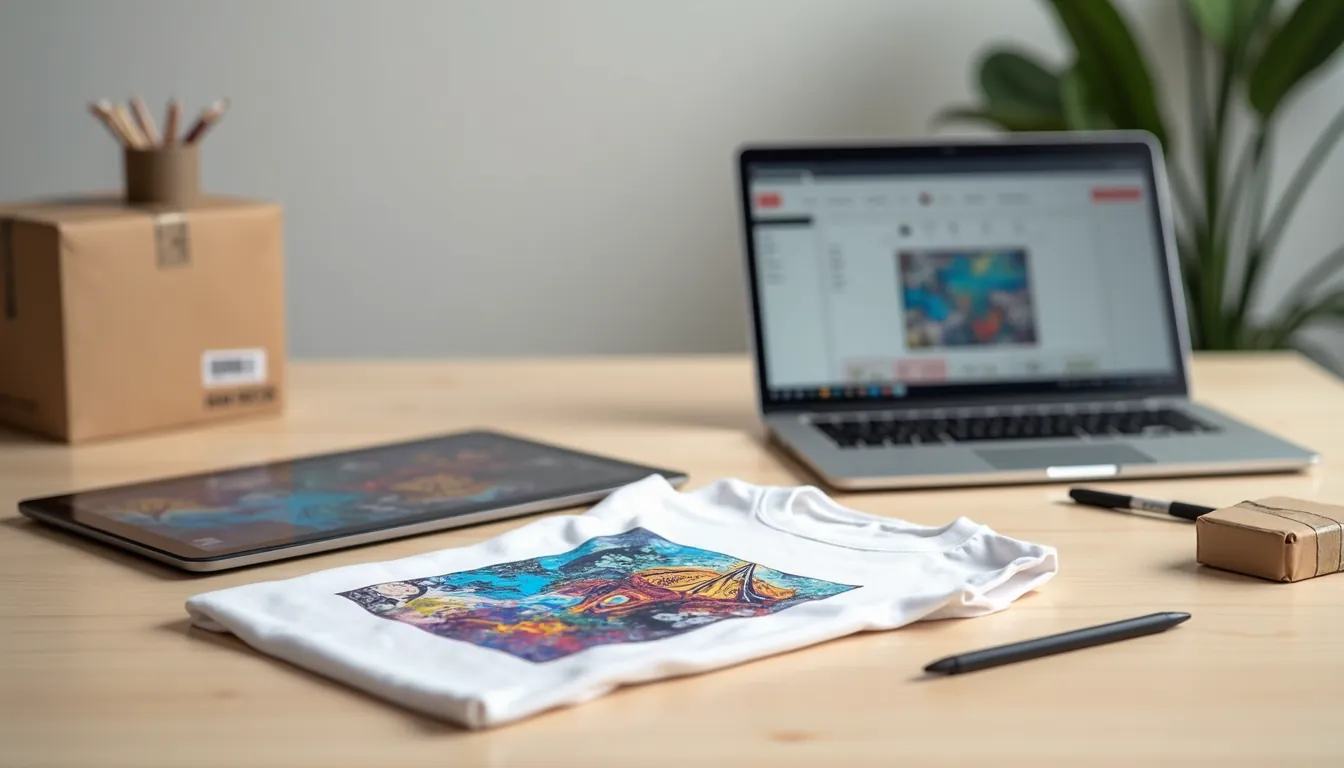
Both methods let you sell things without needing a big warehouse full of products. This means less risk and more freedom for your artistic journey. Let’s dive into the world of print on demand vs dropshipping for artists and see which one is the best fit for your unique vision. You’ll learn how artists start ecommerce businesses and begin selling their art effectively.
Understanding Print on Demand (POD)
Print on Demand, or POD, is like magic for artists. You create a design, and someone else prints it onto a product only when a customer buys it. Imagine your amazing art on t-shirts, mugs, phone cases, or even posters. You don’t have to buy a hundred mugs first; you just create the design.
This is a wonderful way for artists to sell art with print on demand. It takes away the stress of managing inventory and shipping yourself. You get to focus on what you love most: making art.
How Print on Demand Works for Artists
The process is quite simple for artists. First, you create your unique artwork or design. Then, you upload this design to a special POD platform like Printful or Printify. These platforms have lots of products ready for your art.
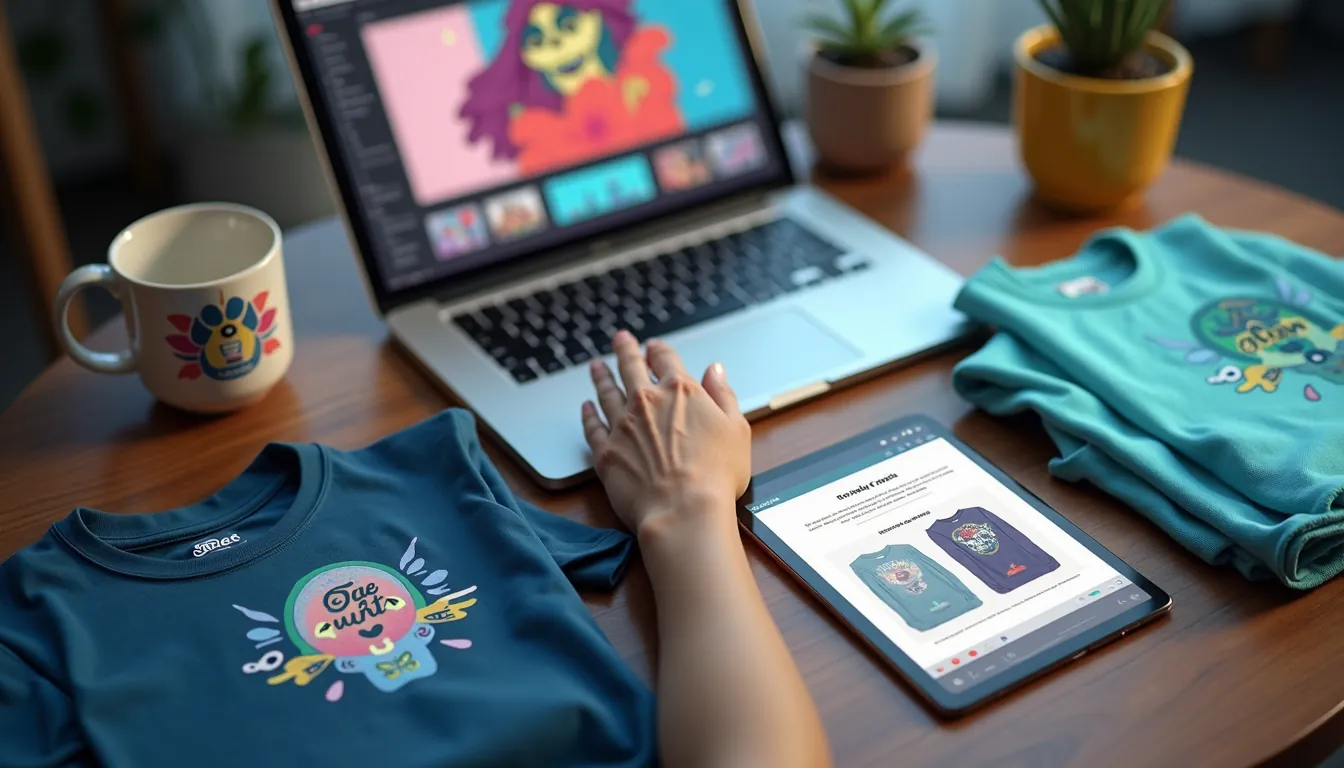
Next, you make mockups, which are pictures showing your art on these products. You list these products in your own online store, like a Shopify or Etsy shop. When a customer buys something, the POD company prints your design on the product and ships it directly to them. You don’t touch anything physical!
The Good Sides of Print on Demand for Artists
POD offers many great benefits for artists who want to start art ecommerce store. You don’t need to buy a bunch of products upfront, which saves you money. This means you can try out many different designs without much risk.
You can offer a wide variety of products, from apparel to home decor, all featuring your unique art. Plus, you control your brand and designs completely. It’s a fantastic way to build your own unique brand identity.
- No Inventory: You don’t have to store any physical items.
- Low Upfront Cost: You only pay for a product when a customer buys it.
- Wide Product Range: Offer t-shirts, mugs, phone cases, wall art, and more.
- Brand Control: Your art is front and center on every product.
- Focus on Art: Spend more time creating and less time on logistics.
The Not-So-Good Sides of Print on Demand for Artists
While POD is amazing, it does have a few drawbacks for artists. Your profit margins might be a bit lower than if you made everything yourself. This is because the POD company does all the printing and shipping work.
You also have less control over the final product quality and how it’s shipped. The POD company handles these parts, so you rely on them. Sometimes, shipping times can be a little longer depending on the printer and location.
- Lower Profit Margins: The POD company takes a cut for their services.
- Less Control Over Quality: You don’t physically inspect each item.
- Less Control Over Shipping: The POD company handles delivery times and methods.
- Platform Fees: Some platforms might charge monthly fees or transaction fees.
Popular Print on Demand Platforms
There are many great platforms to help you sell art with print on demand. Choosing the right one depends on your needs and what products you want to offer. Some popular choices include Printful, Printify, Gelato, and Redbubble.
Each platform has different products, pricing, and integration options. You can link these platforms to your online store, making the process smooth. Do some research to find the best fit for your artist online business models.
- Printful: Known for high-quality products and excellent customer service.
- Printify: Offers a wider range of print providers, which can mean more competitive pricing.
- Gelato: Focuses on global reach and speedy local production.
- Redbubble: An online marketplace where you can sell your designs directly without needing your own store.
Understanding Dropshipping
Dropshipping is another way to sell products online without holding any stock. It’s a bit like POD, but it’s usually used for a much wider range of products, not just your own designs. With dropshipping, you sell products that are already made by someone else.
You act as the middle person between the customer and the supplier. You never actually see or touch the product yourself. This can be great for artists who want to offer a very diverse catalog of art-related items.
How Dropshipping Works for Artists
Here’s how it goes: you find a supplier who sells art supplies, home decor, or other art-related items. You then list these products on your own online store, setting your own price. When a customer buys something from your store, you forward their order and payment to your supplier.
The supplier then ships the product directly to your customer. You keep the difference between what the customer paid you and what you paid the supplier. It’s an efficient way to expand your product offerings without major investment.
The Good Sides of Dropshipping for Artists
Dropshipping offers some exciting advantages for artists looking at artist online business models. The upfront cost is incredibly low, even lower than POD, because you’re not paying for printing. You just list existing products.
You can offer a massive variety of products, from art books to unique sculptures, without ever stocking them. This allows you to test many different items quickly. It’s very easy to scale your business because you don’t handle any physical products as your store grows.
- Extremely Low Upfront Cost: You only buy a product after it’s sold.
- Huge Product Variety: Access to thousands of products from different suppliers.
- Easy to Scale: No need to manage inventory as your business grows.
- Flexibility: Run your business from anywhere with an internet connection.
- Less Creative Pressure: Focus on curation rather than creation if you choose.
The Not-So-Good Sides of Dropshipping for Artists
Dropshipping also has its downsides for artists. You have even less control over the product quality than with POD. You are completely reliant on the supplier to send a good product. Finding reliable suppliers can be a challenge.
Competition can be very high, especially for popular items. Shipping times can vary greatly, and dealing with returns can be complicated. Your profit margins might also be quite slim, similar to or even less than POD.
- Less Control Over Quality: You don’t see the product before it ships to your customer.
- Supplier Dependence: Your business relies heavily on your suppliers’ reliability.
- High Competition: Many other stores might be selling the same items.
- Complex Returns: Handling returns can be difficult as products go back to the supplier.
- Branding Challenges: It’s harder to build a unique brand identity when selling generic items.
Popular Dropshipping Platforms and Integrations
To start dropshipping, you’ll typically need an online store platform like Shopify or WooCommerce. Then, you’ll integrate dropshipping apps or find suppliers through marketplaces. Some popular options include AliExpress, Spocket, and SaleHoo.
These tools help you find products, import them to your store, and automate the order fulfillment process. Researching these platforms will help you understand how artists start ecommerce with dropshipping.
- AliExpress: A vast marketplace with millions of products and many suppliers, often with very low prices.
- Spocket: Focuses on suppliers from the US and Europe, often leading to faster shipping times.
- SaleHoo: A directory of wholesale and dropshipping suppliers, offering training and research tools.
- Wholesale2B: Provides over a million dropship products and integrates with various e-commerce platforms.
Print on Demand vs Dropshipping for Artists: The Core Comparison
Deciding between print on demand vs dropshipping for artists can be tough. Both are great ways to start art ecommerce store without holding inventory. However, they suit different kinds of artist online business models. Let’s look at them side-by-side to help you decide.
This table will highlight the main differences, helping you understand which model aligns best with your goals. Think about what kind of products you want to sell and how much control you want over them.
| Feature | Print on Demand (POD) | Dropshipping |
|---|---|---|
| Inventory | None – items printed only when ordered | None – items shipped by supplier when ordered |
| Upfront Cost | Low – only pay for product after sale | Very Low – only pay for product after sale |
| Product Type | Your unique designs on various blank products | Pre-made products from suppliers (art supplies, decor) |
| Branding | High potential – your art is the brand | Low potential – selling generic items |
| Profit Margins | Moderate to Low | Low to Very Low |
| Quality Control | Moderate – reliant on POD printer | Low – reliant on dropshipping supplier |
| Supplier Risk | Moderate – related to printer quality/reliability | High – reliant on many external suppliers |
| Shipping | Handled by POD company; often branded with your store | Handled by supplier; sometimes generic packaging |
| Product Variety | Limited to blank products offered by POD platforms | Vast – anything you can find a supplier for |
| Creative Input | High – you create the designs | Low – you curate existing products |
Which is Right for You?
Now that you understand the differences, let’s figure out which option is best for you as an artist. Your goals, your comfort with risk, and your desire for creative control will play a big part. Both models allow you to how artists start ecommerce without huge investments.
Think about what kind of creative ecommerce strategies you want to employ. Do you want to sell your unique creations, or do you want to offer a wide range of art-related goods? This fundamental choice will guide your path.
When Print on Demand is Your Best Bet
If your main goal is to sell your original artwork, designs, or illustrations, POD is usually the stronger choice. It allows your unique creativity to shine through. You can put your signature style on many different items.
POD is perfect if you want to build a strong brand around your personal art. You control the designs, and the products often arrive with your store’s branding. This is an excellent way to sell art with print on demand and build a loyal following.
- You want to sell your original artwork, illustrations, or unique designs.
- Building a strong personal brand around your art is important to you.
- You want control over the visual identity and branding of your products.
- You prefer a simpler process with fewer supplier relationships to manage.
- Your niche is based on unique, custom-designed products.
When Dropshipping Might Be a Better Option
Dropshipping can be great if you want to offer a very broad range of art-related products. Perhaps you want to sell art supplies, unique home decor items, or curated vintage art pieces. You don’t have to create anything yourself; you just find existing products.
This model is good if you’re more interested in curating a selection of items rather than creating them. It’s also ideal if you want to test many different products very quickly without any financial risk. Dropshipping might be part of your broader artist online business models.
- You want to sell a wide variety of existing art-related products (e.g., supplies, decor, books).
- You’re more interested in curating products than creating original designs.
- You want the absolute lowest upfront cost and don’t want to deal with custom creation.
- You are comfortable with less control over branding and product quality.
- Your goal is to quickly test many different product categories in the art niche.
The Hybrid Approach: Combining Both Models
Why choose one when you can have both? Many artists use a hybrid approach, combining POD and dropshipping. You could sell art with print on demand for your original designs (like t-shirts with your paintings). At the same time, you could dropship art supplies or art books.
This gives you the best of both worlds. You maintain your artistic brand with your unique creations while expanding your product catalog. This artist ecommerce guid encourages you to explore what works best for your specific business.
How Artists Start eCommerce with POD/Dropshipping
No matter which model you choose, there are some essential steps to how artists start ecommerce. It’s not just about creating art; it’s about setting up your shop, reaching customers, and managing your business. Let’s walk through the key stages.
Remember, building an online store takes time and effort. But with the right strategy, you can successfully start art ecommerce store and share your creativity with the world. You’ll soon become an expert in creative ecommerce strategies.
1. Find Your Artistic Niche
Before you do anything else, think about your art and who you want to sell it to. Are you a watercolor artist specializing in landscapes? Do you create bold, abstract digital art? Your niche helps you focus your efforts.
Knowing your audience helps you choose the right products and market your store effectively. This is a crucial step for all artist online business models. It makes your brand unique and attractive to specific buyers.
2. Choose Your E-commerce Platform
You need an online home for your store. Popular choices include Shopify, Etsy, and WooCommerce (for WordPress sites). Each has its pros and cons, from ease of use to customization options.
- Shopify: Powerful, easy to use, great for building a strong brand, integrates well with POD and dropshipping apps. (External link: Shopify)
- Etsy: A marketplace focused on handmade and vintage items, great for artists, but less brand control than your own website. (External link: Etsy)
- WooCommerce: A free plugin for WordPress, giving you full control but requiring more technical setup. (External link: WooCommerce)
3. Create Your Designs or Source Products
If you’re doing POD, this is where your art comes in! Create high-quality digital files of your designs. Make sure they meet the specifications of your chosen POD platform.
If you’re dropshipping, you’ll use apps like Spocket or tools like AliExpress to find products. Import them to your store and write engaging descriptions. For both, good product photos or mockups are essential.
4. Set Up Your Store and Listings
Once you’ve chosen your platform and have your products ready, it’s time to build your store. Design your website, write compelling product descriptions, and set your prices. Make sure your store looks professional and is easy to navigate.
High-quality mockups (for POD) or product photos (for dropshipping) are vital. Showcase your art or products beautifully. Remember to optimize your product descriptions with relevant keywords for better search engine visibility.
5. Marketing Your Art Business
Having a great store isn’t enough; people need to find it! Marketing is how you tell the world about your amazing art. Social media is a powerful tool for artists. Share your creative process, finished pieces, and product mockups on Instagram, Pinterest, and TikTok.
Consider using email marketing to connect with your audience. Run ads on social media or search engines to reach more potential customers. Learning creative ecommerce strategies is key to success.
6. Customer Service and Fulfillment
Even if you don’t handle physical products, you’re responsible for customer satisfaction. Respond to inquiries, help with order issues, and manage returns. Good customer service builds trust and loyalty.
For POD, track orders through your platform. For dropshipping, communicate with your suppliers about shipping updates. Keeping your customers happy is crucial for long-term success in any artist online business models.
Making Money: Creative Ecommerce Strategies for Artists
Running an online art business means thinking strategically about how to attract customers and make sales. It’s more than just having beautiful art; it’s about smart business choices. Here are some creative ecommerce strategies to boost your income.
These tips will help you stand out in a crowded market and turn your passion into a profitable venture. You’ll learn more about the complete artist ecommerce guid.
Pricing Your Art and Products Wisely
Setting the right price for your art and products is critical. For POD and dropshipping, remember to factor in:
- The base cost of the product (from the POD company or supplier).
- Shipping costs (if you’re covering them).
- Platform fees (like Etsy’s listing fees or Shopify’s transaction fees).
- Your desired profit margin.
- The perceived value of your art or product.
Don’t underprice your work! Your art has value, and your time is precious. Research what similar artists or products sell for.
Marketing on Social Media
Social media is a visual playground for artists. Use platforms like Instagram and Pinterest to showcase your work. Post high-quality images and videos of your art and products. Share behind-the-scenes glimpses of your creative process.
Engage with your followers, use relevant hashtags, and collaborate with other artists or influencers. This is a powerful way to get eyes on your start art ecommerce store and build a community around your brand.
Building an Email List
An email list is one of your most valuable assets. Offer something special (like a free digital wallpaper or a discount code) in exchange for email sign-ups. Use your email list to announce new art, product launches, sales, and share exclusive content.
Email marketing allows you to communicate directly with your most interested fans. It’s a reliable way to drive sales and foster repeat business. This is a cornerstone of effective artist online business models.
SEO for Your Art Store
Search Engine Optimization (SEO) helps people find your store through search engines like Google. Use keywords related to your art and products in your product titles, descriptions, and blog posts. For example, if you sell “abstract landscape prints,” make sure those words are in your listings.
Optimizing your site for SEO helps potential customers discover your start art ecommerce store naturally. This is a long-term strategy but incredibly rewarding.
Collaborations and Partnerships
Partnering with other artists, influencers, or complementary businesses can expose your art to new audiences. You could co-create a product, run a joint giveaway, or promote each other’s work. This expands your reach and builds your network.
These kinds of creative ecommerce strategies can lead to significant growth. Look for partners whose audience aligns with yours.
Profit Margin Calculator for Artists (POD/Dropshipping)
Understanding your profit is crucial, whether you choose Print on Demand or Dropshipping. This simple calculator will help you see how much you could earn from each sale.
You will enter your selling price, the cost of the product, shipping fees, and any platform fees. It will then tell you your estimated profit.
Artist Profit Calculator
Gross Profit: $0.00
Net Profit: $0.00
Frequently Asked Questions (FAQ)
Here are some common questions artists have when exploring print on demand vs dropshipping for artists. These answers should clarify any remaining doubts you might have. This section aims to be a quick reference in your artist ecommerce guid.
You’ll find practical advice on getting your start art ecommerce store up and running. Remember, you can always learn more and adapt your business model as you grow.
Q1: Do I need a business license to sell art with Print on Demand or Dropshipping?
A1: This depends on where you live. Many places require a basic business license once you start making sales regularly. It’s always best to check your local government’s rules for small businesses. You might also need to register for sales tax.
Starting small might not require it immediately, but it’s good practice to understand the requirements as your artist online business models grow. Consult a local business advisor or accountant for specific advice.
Q2: How much money can I make with Print on Demand or Dropshipping?
A2: There’s no single answer, as it varies widely. Your income depends on your marketing efforts, product pricing, niche, and how well your designs or products sell. Some artists make a few hundred dollars a month, while others build full-time incomes.
Both models typically have lower profit margins per item than creating art directly. However, they allow you to sell many more items. Successful creative ecommerce strategies are key.
Q3: Can I combine Print on Demand and Dropshipping in one store?
A3: Yes, absolutely! This is a very popular artist online business models strategy. You can use Print on Demand to sell your unique art on custom products like t-shirts and mugs. At the same time, you can dropship related products like art supplies or framed prints from other suppliers.
This hybrid approach allows you to offer a broader range of products and appeal to more customers. It helps you diversify your income streams.
Q4: How do I handle returns and customer service for POD/Dropshipping?
A4: For POD, platforms usually have policies for misprinted or damaged items. You’ll work with them to resolve issues, and they often handle reprints. For dropshipping, you’ll need to coordinate with your specific supplier for returns.
Either way, you are the face of your business to the customer. Always communicate clearly and kindly. Having clear return policies on your website is crucial for all artist ecommerce guid steps.
Q5: What are the best marketing strategies for artists using these models?
A5: Visual platforms like Instagram, Pinterest, and TikTok are fantastic for artists. Share your art, your process, and your products. Use relevant hashtags. Collaborating with other artists or influencers can also expand your reach.
Building an email list is also super important for direct communication with your fans. Learning about SEO (Search Engine Optimization) for your product listings can help customers find your products through search engines. These are all vital creative ecommerce strategies.
Q6: Is it better to start on a marketplace like Etsy or my own website?
A6: Both have benefits for how artists start ecommerce. Etsy offers a built-in audience actively looking for art, which can mean quicker initial sales. However, you have less control over branding and fierce competition.
Your own website (like Shopify) gives you full control over your brand, design, and customer data. It’s better for long-term brand building but requires more effort to drive traffic. Many artists start on Etsy and then move to their own site as they grow.
Conclusion
Choosing between print on demand vs dropshipping for artists is a big step towards your online business dream. Both models offer incredible opportunities to start art ecommerce store without the headaches of inventory. Print on Demand is fantastic for selling your unique art on custom products, letting your creativity be the core of your brand.
Dropshipping, on the other hand, allows you to offer a vast array of art-related items, curating a diverse store without any upfront product costs. You can even combine both! With the right tools, a clear vision, and smart creative ecommerce strategies, you can turn your artistic passion into a thriving online business. So go ahead, explore these exciting artist online business models and start selling your amazing art today!

Leave a comment