
Honest Fashion Brand Reviews: How to Check Quality Before You Buy
Honest Fashion Brand Reviews: How to Check Quality Before You Buy
Are you tired of buying clothes that fall apart after just a few washes? Do you wish you knew how to spot a good deal from a bad one when shopping for fashion? Finding honest fashion brand reviews can feel like searching for a needle in a haystack. This guide is all about helping you become a savvy shopper.
We’ll teach you the secrets to checking clothing quality before you spend your hard-earned money. You will learn what to look for, where to find reliable information, and how to make smart choices. Get ready to transform the way you shop for clothes forever.
Why Honest Fashion Brand Reviews Matter More Than Ever
In today’s fast-paced world of fashion, it’s easy to get swept away by trendy items and attractive prices. Many brands spend a lot on marketing to make their clothes look amazing. However, the true quality might not match the pretty pictures.
This is where honest fashion brand reviews become your best friend. They offer real insights from people like you who have bought and used the clothes. You need these genuine experiences to avoid disappointment.
By reading real fashion brand reviews, you can save both money and time. You won’t have to deal with returns or clothes that wear out too quickly. You deserve to buy items that last and make you feel good.
Learning to check quality yourself means you won’t always have to rely solely on reviews. You’ll gain confidence in your shopping choices. This guide empowers you to make smarter fashion decisions every single time you shop.
Understanding Quality: What to Look For
Before you even think about hitting that “buy” button, it’s crucial to know what good quality truly means. It’s not just about how something looks on the hanger. It’s about how it’s made, the materials used, and how it will hold up over time.
Think of it as having a secret clothing quality checklist in your mind. This checklist will help you quickly decide if an item is worth your investment. Let’s dive into the details you need to examine closely.
The Fabric and Stitching Guide: Your Blueprint for Quality
The fabric is the very first layer of quality in any garment. It affects how the clothing feels, how it drapes, and how long it lasts. Different fabrics have different strengths and weaknesses.
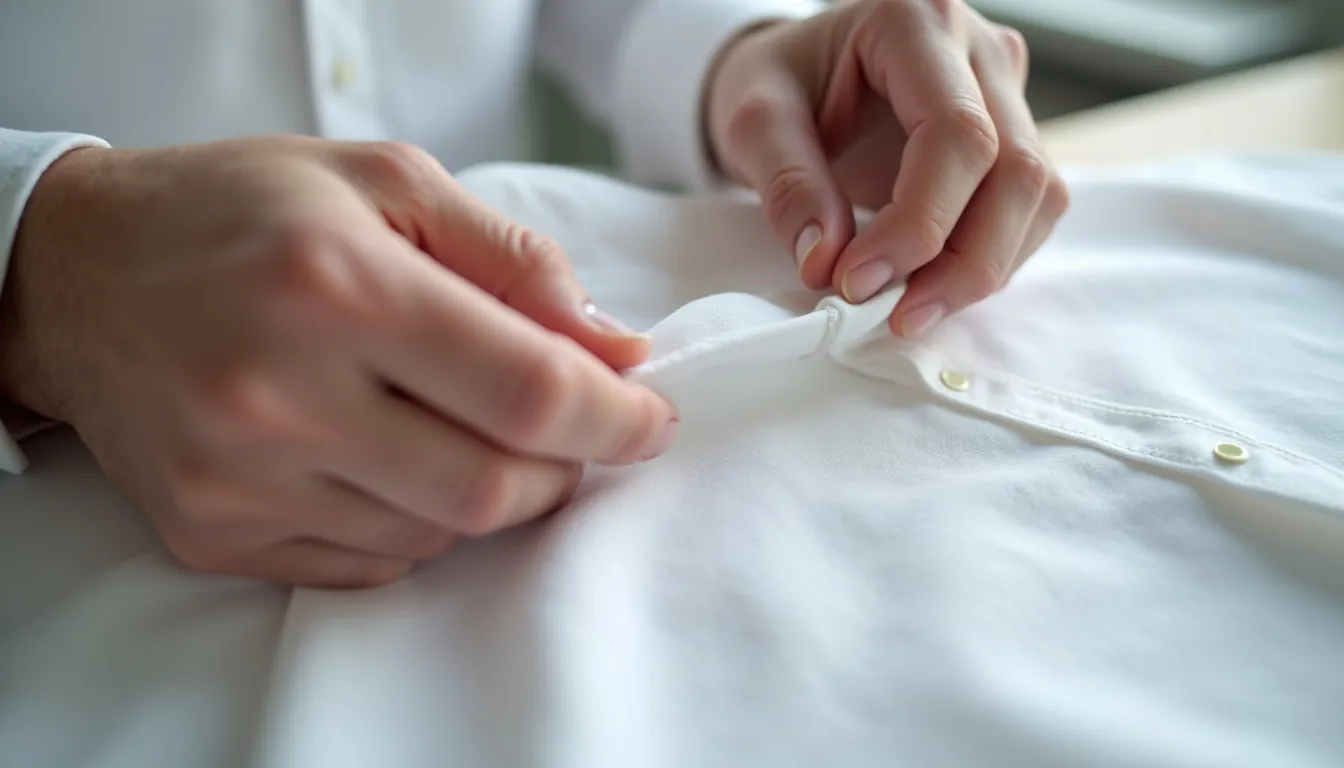
After the fabric, the stitching tells a big story about how carefully the garment was put together. Good stitching is a sign of good craftsmanship. Poor stitching often means shortcuts were taken.
Fabric Types: Natural, Synthetic, and Blended
Understanding fabric types is a cornerstone of our clothing quality checklist. You should know the difference between natural, synthetic, and blended materials. Each type has unique properties.
Natural Fibers
Natural fibers come from plants or animals. Cotton, linen, wool, and silk are common examples. They are often breathable and feel good against your skin.
Cotton is soft, absorbent, and durable, making it great for everyday wear. Look for higher thread counts in cotton fabrics for extra softness and strength. Linen is very breathable and strong, perfect for warm weather, though it wrinkles easily.
Wool is warm, insulating, and naturally wrinkle-resistant. It’s excellent for sweaters and coats, but some types can be itchy. Silk is luxurious, smooth, and drapes beautifully, but it’s delicate and often requires special care.
Synthetic Fibers
Synthetic fibers are man-made. Polyester, nylon, rayon (which is semi-synthetic), and spandex are popular synthetic choices. They are often more durable, wrinkle-resistant, and sometimes cheaper than natural fibers.
Polyester is very durable, resistant to shrinking and stretching, and quick-drying. It’s often used in activewear and outerwear. Nylon is strong, elastic, and abrasion-resistant, common in swimwear and athletic gear.
Rayon is made from wood pulp but processed heavily, giving it a soft, silky feel. It drapes well but can wrinkle easily and lose strength when wet. Spandex (also known as elastane or Lycra) adds stretch and comfort to fabrics, found in most stretchy clothing.
Blended Fabrics
Blended fabrics combine two or more fiber types. They aim to get the best qualities from each fiber. For example, a cotton-polyester blend might be softer than pure polyester but more durable than pure cotton.
You’ll often find cotton-spandex for stretchy jeans or shirts. Wool-nylon blends are common in outerwear for added durability. These blends can offer a great balance of comfort, performance, and durability.
When checking fabric, touch it. Does it feel substantial or flimsy? Hold it up to the light; can you see through it easily? A good quality fabric will feel weighty and have a consistent weave or knit.
Weave and Knit: How the Fibers Are Put Together
Fabrics are either woven or knitted. Woven fabrics are made by interlacing two sets of yarns at right angles. Think of a basket weave, very structured and often less stretchy. Examples include denim, canvas, and tweed.
Knitted fabrics are made by looping yarns together. This creates a stretchy, flexible fabric. Sweaters, t-shirts, and socks are usually knitted. Knits can be prone to snagging or stretching out if not well made.
When examining a woven fabric, check for a tight, even weave. Loose weaves can unravel easily. For knits, look for consistent loops and make sure it bounces back into shape when gently stretched.
Stitching: The Unsung Hero of Durability
The stitching is like the glue that holds your garment together. Poor stitching is a clear sign of low quality. You can learn a lot by simply looking closely at the seams.
Stitching Types
Most clothing uses a lockstitch, which looks like two threads interlaced. This is strong and common for basic seams. Overlock stitches (also called serger stitches) are used for finishing edges and preventing fraying, especially in knitwear. They wrap around the fabric edge.
Chain stitches are loops on the underside and are less common in ready-to-wear clothing for major seams due to their tendency to unravel if one stitch breaks. You might see them for decorative purposes or temporary basting. Flatlock stitches are used for athletic wear, creating flat, comfortable seams.
Seams and Hems
When checking stitching, look for several key things. The stitches should be even and consistent in length. There should be no loose threads or skipped stitches. Reinforcement is a good sign; look for double stitching or bar tacks in high-stress areas like pockets, buttonholes, and crotches.
Seams should lie flat and not pucker or pull. They should be wide enough to hold the fabric together securely. Hems should be even, neat, and sewn with small, invisible stitches if possible. A good hem adds to the garment’s finish and longevity. Uneven or shallow seams and hems are red flags indicating poor quality.
Buttons, Zippers, and Embellishments
Even small details matter. Buttons should be securely sewn on, often with a shank to allow the fabric to gather underneath. Look for quality materials like metal, shell, or good plastic, not flimsy plastic. Test zippers; they should glide smoothly without catching. YKK is a well-known brand for quality zippers.
Embellishments like beads, sequins, or embroidery should be firmly attached. Loose embellishments are a sign they will fall off quickly. Pay attention to how these details are integrated into the garment. Are they an afterthought or a well-considered part of the design?
Construction and Design: Beyond the Fabric
Beyond the threads, how a garment is put together speaks volumes about its quality. This is where design and construction meet to create a functional and durable piece.
Cut and Fit
A well-cut garment will drape nicely and fit your body comfortably. It won’t pull awkwardly or restrict your movement. Try on clothes whenever possible to assess the cut and fit. Online, look at size charts and customer photos for clues. A good fit often indicates thoughtful design and pattern making.
Lining
Lining can significantly improve a garment’s quality. It makes clothes more comfortable, durable, and opaque. A good lining will be made of a breathable, slippery fabric like rayon, Bemberg, or silk. It should be sewn in neatly and allow for ease of movement. Unlined garments might be cheaper but can be less comfortable and durable.
Pattern Matching
If a garment has a pattern, check if the pattern matches up at the seams, especially across the front or at the sleeves. This attention to detail signals a higher quality garment. It takes more fabric and time to match patterns, so brands doing it are often focused on quality. Fast fashion brands often skip this step to save money.
Stress Points
Think about where a garment experiences the most wear and tear. This includes armholes, crotch seams, pocket corners, and areas around buttons or zippers. Quality garments will often have extra reinforcement in these stress points. Look for double stitching, bar tacking (small, dense stitches), or reinforced patches.
Beyond the Basics: Other Quality Indicators
Your clothing quality checklist shouldn’t stop at just fabric and stitching. There are other clues that can help you judge a brand’s commitment to quality.
Care Labels
Read the care label! It tells you how to properly clean and maintain the garment. If a fabric is high quality but requires delicate dry cleaning for a casual item, that might be inconvenient. A well-made garment will often have a clear, durable care label. Odd or contradictory care instructions can be a red flag.
Brand Reputation
Some brands are known for their quality, while others are known for their affordability or trendiness. Doing a quick search for “fashion brands reviews [brand name]” can give you a lot of information. Remember, established brands often have a reputation to uphold, which can translate to better quality control.
Price vs. Value: Fast Fashion vs. Premium
This is a big one. You might think higher price always means higher quality, but that’s not always true. However, very low prices often mean corners were cut. Understanding the difference between fast fashion and premium brands is key to making informed decisions. We’ll explore this more in a later section.
How to Research Fashion Brand Reviews Online: Your Online Shopping Review Tips
Now that you know what to look for, let’s talk about where to find reliable information online. With so many options, it can be tough to separate genuine feedback from biased opinions. These online shopping review tips will guide you.
Where to Find Reliable Reviews
You don’t have to just guess anymore. Many platforms provide valuable insights into fashion brands reviews. Knowing where to look is half the battle.
- Retailer Websites: Most online stores have a review section for each product. Look at the star ratings and read the comments. Pay attention to reviews with photos, as these give you a real-world look at the item. Be aware that some retailers might filter negative reviews.
- Dedicated Review Platforms: Websites like External Link: Trustpilot or External Link: Sitejabber collect reviews for businesses across various industries, including fashion. These platforms often have a more independent view.
- Fashion Blogs and Vlogs: Many fashion bloggers and YouTubers specialize in honest fashion brand reviews. Search for “[brand name] review blog” or “[brand name] haul review” on YouTube. They often show items in detail and discuss their experiences.
- Social Media: Instagram, TikTok, and Reddit (especially subreddits like r/femalefashionadvice or r/malefashionadvice) can be goldmines for honest opinions and real-life photos. Search hashtags like
#brandnamereviewor look for user-generated content. - Cashback Sites and Affiliate Networks: Sometimes, these sites host user reviews as well. While their primary goal is sales, the comments section can reveal insights. Consider checking out Affiliate Link: Rakuten or Affiliate Link: Honey before you shop, not only for savings but sometimes for user feedback.
Spotting Fake Reviews
Unfortunately, not all fashion brand reviews are honest. Some brands pay for positive reviews, or competitors leave negative ones. Here’s how to spot the fakes:
- Too perfect or too negative: If all reviews are 5-star glowing praises without any specifics, or all are 1-star rants with vague complaints, be suspicious. Real reviews usually have a mix of pros and cons.
- Generic language: Reviews that sound like marketing copy or use very similar phrases across different users might be fake.
- Lack of detail: Real reviews often mention specific aspects: the fit, how the fabric feels, how it washes, delivery experience. Vague reviews like “great product!” don’t offer much value.
- New reviewers with only one review: If a reviewer account was just created and has only left one extremely positive review for a product, it’s a red flag.
- Unverified purchases: Some platforms mark reviews as “verified purchase,” meaning the reviewer actually bought the product. Prioritize these reviews.
Reading Between the Lines
Even genuine fashion brand reviews can be subjective. What one person loves, another might dislike. Here’s how to interpret them:
- Consider the reviewer’s body type/style: If a reviewer mentions an item runs small and they are usually a size M, but you know you often size up, take that into account. If someone loves an oversized fit and you prefer fitted clothes, their review might not be relevant to you.
- Look for recurring themes: If multiple people mention the fabric is scratchy, or the zipper breaks easily, that’s a strong indicator. If only one person mentions it, it might be an isolated issue.
- Pay attention to photos and videos: Customer-submitted photos and videos are invaluable. They show the garment on a real person, not a professional model, and can reveal true color, texture, and fit.
The “Quality Score Checklist” Calculator
To help you put all this knowledge into action, I’ve designed a simple “Quality Score Checklist” calculator. This tool helps you quickly assess a garment’s quality by assigning points based on various features. You can use it in-store or when analyzing product photos and descriptions online. Just input what you observe, and it will give you a score.
How to Use the Calculator
Imagine you’re looking at a new jacket. You would go through each item on the checklist and give points based on what you see or feel. Higher points mean better quality. The total score will give you an objective idea of the item’s craftsmanship.
Here’s the HTML, CSS, and JavaScript for a basic version of this calculator. You can paste these codes into your website to make it interactive for your readers.
1
2
3
4
5
6
7
8
9
10
11
12
13
14
15
16
17
18
19
20
21
22
23
24
25
26
27
28
29
30
31
32
33
34
35
36
37
38
39
40
41
42
43
44
45
46
47
48
49
50
51
52
53
54
55
56
57
58
59
60
61
62
63
64
65
66
67
68
69
70
71
72
73
74
75
76
77
78
79
80
81
82
83
84
85
86
87
88
89
90
91
92
93
94
95
96
97
98
99
100
101
102
103
104
105
106
107
108
109
110
111
112
113
114
115
116
117
118
119
120
121
122
123
124
125
126
127
128
129
130
131
132
133
134
135
136
137
138
139
140
141
142
143
144
145
146
147
148
149
150
151
152
153
154
155
156
157
158
159
160
161
162
163
164
165
166
167
168
169
170
171
172
173
174
175
176
177
178
179
180
<div class="quality-calculator">
    <h2>Fashion Quality Score Calculator</h2>
    <p>Rate the following aspects of a garment to get its quality score. Each point contributes to the total.</p>

    <div class="quality-item">
        <label for="fabricFeel">1. Fabric Feel & Substance:</label>
        <select id="fabricFeel">
            <option value="0">0 - Flimsy, see-through, rough</option>
            <option value="5">5 - Decent, some body, acceptable</option>
            <option value="10">10 - Substantial, smooth, rich feel</option>
        </select>
    </div>

    <div class="quality-item">
        <label for="stitchEvenness">2. Stitching Evenness & Density:</label>
        <select id="stitchEvenness">
            <option value="0">0 - Uneven, loose, skipped stitches</option>
            <option value="5">5 - Generally even, few minor flaws</option>
            <option value="10">10 - Perfectly even, dense, strong</option>
        </select>
    </div>

    <div class="quality-item">
        <label for="seamFinish">3. Seam & Hem Finish:</label>
        <select id="seamFinish">
            <option value="0">0 - Raw edges, unraveling, puckered</option>
            <option value="5">5 - Basic serged, mostly flat</option>
            <option value="10">10 - Cleanly finished, flat, reinforced</option>
        </select>
    </div>

    <div class="quality-item">
        <label for="buttonsZippers">4. Buttons & Zippers Quality:</label>
        <select id="buttonsZippers">
            <option value="0">0 - Cheap plastic buttons, sticky zipper</option>
            <option value="5">5 - Standard buttons, functional zipper</option>
            <option value="10">10 - Metal/shell buttons, smooth YKK zipper</option>
        </select>
    </div>

    <div class="quality-item">
        <label for="patternMatch">5. Pattern Matching (if applicable):</label>
        <select id="patternMatch">
            <option value="0">0 - No matching at all</option>
            <option value="5">5 - Some attempt, but mostly mismatched</option>
            <option value="10">10 - Perfectly matched at seams</option>
        </select>
    </div>

    <div class="quality-item">
        <label for="liningPresence">6. Lining (if applicable):</label>
        <select id="liningPresence">
            <option value="0">0 - No lining, rough interior</option>
            <option value="5">5 - Partial or cheap lining</option>
            <option value="10">10 - Full, quality, breathable lining</option>
        </select>
    </div>

    <div class="quality-item">
        <label for="stressPoints">7. Stress Point Reinforcement:</label>
        <select id="stressPoints">
            <option value="0">0 - No reinforcement</option>
            <option value="5">5 - Minor or basic reinforcement</option>
            <option value="10">10 - Bar tacks, double stitching in key areas</option>
        </select>
    </div>

    <button onclick="calculateQualityScore()">Calculate Score</button>

    <div class="result">
        <h3>Your Quality Score: <span id="scoreResult">0</span> / 70</h3>
        <p id="scoreMessage"></p>
    </div>
</div>

<style>
    .quality-calculator {
        font-family: Arial, sans-serif;
        max-width: 600px;
        margin: 30px auto;
        padding: 25px;
        border: 1px solid #ddd;
        border-radius: 8px;
        background-color: #f9f9f9;
        box-shadow: 0 2px 5px rgba(0,0,0,0.1);
    }
    .quality-calculator h2 {
        text-align: center;
        color: #333;
        margin-bottom: 20px;
    }
    .quality-calculator p {
        font-size: 0.95em;
        line-height: 1.5;
        color: #555;
        margin-bottom: 15px;
    }
    .quality-item {
        margin-bottom: 15px;
        display: flex;
        flex-direction: column;
    }
    .quality-item label {
        font-weight: bold;
        margin-bottom: 5px;
        color: #444;
    }
    .quality-item select {
        width: 100%;
        padding: 10px;
        border: 1px solid #ccc;
        border-radius: 4px;
        font-size: 1em;
        background-color: #fff;
    }
    .quality-calculator button {
        display: block;
        width: 100%;
        padding: 12px 20px;
        background-color: #007bff;
        color: white;
        border: none;
        border-radius: 4px;
        font-size: 1.1em;
        cursor: pointer;
        margin-top: 20px;
        transition: background-color 0.3s ease;
    }
    .quality-calculator button:hover {
        background-color: #0056b3;
    }
    .result {
        margin-top: 25px;
        padding: 15px;
        border-top: 1px solid #eee;
        text-align: center;
        background-color: #eaf6ff;
        border-radius: 5px;
    }
    .result h3 {
        color: #333;
        margin-bottom: 10px;
    }
    .result span {
        font-size: 1.5em;
        font-weight: bold;
        color: #007bff;
    }
    .result p {
        font-size: 1em;
        color: #666;
    }
</style>

<script>
    function calculateQualityScore() {
        const fabricFeel = parseInt(document.getElementById('fabricFeel').value);
        const stitchEvenness = parseInt(document.getElementById('stitchEvenness').value);
        const seamFinish = parseInt(document.getElementById('seamFinish').value);
        const buttonsZippers = parseInt(document.getElementById('buttonsZippers').value);
        const patternMatch = parseInt(document.getElementById('patternMatch').value);
        const liningPresence = parseInt(document.getElementById('liningPresence').value);
        const stressPoints = parseInt(document.getElementById('stressPoints').value);

        const totalScore = fabricFeel + stitchEvenness + seamFinish + buttonsZippers + patternMatch + liningPresence + stressPoints;
        document.getElementById('scoreResult').textContent = totalScore;

        let message = '';
        if (totalScore >= 60) {
            message = 'This garment shows excellent quality and craftsmanship. A great investment!';
        } else if (totalScore >= 40) {
            message = 'Good quality overall, likely to be durable and well-made.';
        } else if (totalScore >= 20) {
            message = 'Average quality. May be suitable for occasional wear, but durability might be a concern.';
        } else {
            message = 'Low quality detected. You might want to reconsider this purchase.';
        }
        document.getElementById('scoreMessage').textContent = message;
    }
</script>
This calculator will give you a numerical score and a message indicating the overall quality. Use it as a guide, not a definitive rule, but it can certainly help you be more objective in your assessments of fashion brands reviews. Remember to look at all aspects before making your final decision.
Fast Fashion vs. Premium: A Deeper Dive
When we talk about honest fashion brand reviews and quality, we inevitably come to the debate between fast fashion and premium brands. It’s important to understand the differences to make choices that align with your values and budget. You can save money and improve your wardrobe by understanding this distinction.
Defining the Terms
What is Fast Fashion?
Fast fashion refers to clothing produced quickly and cheaply. It aims to capture the latest trends from the runway and get them into stores as fast as possible. Brands like Zara, H&M, Shein, and Temu are often considered fast fashion. Their business model relies on high volume and low prices.
The focus is on trends, not necessarily longevity. Garments are often made with cheaper materials and less durable construction. This allows them to offer very affordable prices, but the quality can suffer.
What is Premium/High-Quality Fashion?
Premium or high-quality fashion focuses on craftsmanship, durable materials, and timeless design. These brands often use better fabrics, pay more attention to construction, and produce smaller quantities. Think of brands like Everlane, Eileen Fisher, or many independent designers.
The prices are generally higher because of the increased cost of materials and labor. The goal is to create clothes that last for years, not just a season. You are investing in quality over quantity with these pieces.
Pros and Cons of Each
Choosing between fast fashion and premium brands depends on your needs, budget, and values. Both have their advantages and disadvantages. It’s good to weigh these carefully.
Fast Fashion: The Quick Fix
- Pros:
- Affordable: You can buy many items for a low price.
- Trendy: You can quickly update your wardrobe with the latest styles.
- Accessible: Widely available in malls and online.
- Experimentation: Great for trying out new styles without a big investment.
- Cons:
- Low Quality: Items often fall apart quickly, leading to more waste.
- Ethical Concerns: Often associated with poor labor practices and environmental damage.
- Short Lifespan: Not designed to last, contributing to a “disposable” wardrobe culture.
- Returns: You might end up returning many items due to poor fit or quality, which is a hassle.
Premium Fashion: The Investment Piece
- Pros:
- High Quality: Built to last, often using superior fabrics and construction.
- Durability: You’ll wear these items for years, making them a better value in the long run.
- Better Fit: Often have more refined cuts and fit better.
- Ethical Production: Many premium brands prioritize ethical and sustainable practices.
- Timeless Style: Often focus on classic designs that won’t go out of style quickly.
- Cons:
- Expensive: Higher initial cost can be a barrier.
- Limited Trends: May not offer the very latest trends as quickly.
- Less Accessible: Fewer physical stores, might require more searching to find.
- Smaller Wardrobe: You might own fewer pieces due to the higher cost.
When to Choose Which
- Choose Fast Fashion for:
- Trendy items you only plan to wear for a season or two (e.g., a novelty top for a party).
- Trying out a new color or style before investing in a higher-quality version.
- Basics that get heavy wear and tear (e.g., plain t-shirts you might stain frequently).
- Choose Premium Fashion for:
- Wardrobe staples you’ll wear constantly (e.g., a good pair of jeans, a classic white shirt, a durable coat).
- Investment pieces like tailored blazers, quality sweaters, or special occasion dresses.
- Items where fit and comfort are paramount (e.g., underwear, workwear).
- If you prioritize sustainability and ethical production.
By understanding these distinctions, you can make more strategic purchases. You don’t have to choose one over the other entirely. A balanced wardrobe often includes both, with a focus on quality where it truly counts. Always check those fashion brands reviews, regardless of the price point.
Investment Pieces vs. Trendy Items
An investment piece is something you buy for its quality, longevity, and timelessness. You expect to wear it for many years, and it often forms the core of your wardrobe. Think of a classic trench coat, a well-made pair of leather boots, or a cashmere sweater. These pieces might have a higher upfront cost, but their cost-per-wear over time makes them economical.
Trendy items, on the other hand, are current fads that will likely go out of style quickly. They are fun to experiment with but often not worth a large investment. For these, fast fashion can be a reasonable choice. However, even with trendy items, you can still apply your clothing quality checklist to avoid buying something that falls apart after one wash. Look for the best quality within your budget, even for a temporary piece.
Making Smart Buys: Actionable Tips for Every Shopper
Becoming a smart shopper means more than just knowing about fashion brands reviews. It involves strategy, patience, and a clear understanding of your own needs. Here are some actionable tips to help you make truly smart buys.
Setting a Budget and Sticking to It
Before you even start browsing, decide how much you’re willing to spend. A budget helps you narrow down your choices and prevents impulse purchases. Remember that buying fewer, higher-quality items can be more cost-effective in the long run than constantly replacing cheap ones. Track your spending if you need to.
Understanding Your Style and Needs
What kind of clothes do you actually wear? What suits your lifestyle? If you work from home, you might not need many formal suits. If you live in a cold climate, a good winter coat is a must. Buy clothes that fit your existing wardrobe and your life. Don’t just buy something because it’s on sale or because you saw it in a positive fashion brand review.
Consider your personal style: Do you prefer classic, bohemian, minimalist, or edgy? Buying clothes that truly reflect your style means you’ll wear them more often. This also leads to greater satisfaction with your purchases.
Prioritizing Quality Over Quantity
This is a core principle of smart shopping. It’s better to have 10 versatile, well-made pieces than 30 flimsy items that don’t fit well or fall apart quickly. A smaller, high-quality wardrobe can actually make getting dressed easier and more enjoyable. You will look more put-together, and your clothes will last.
This concept also ties into sustainability. By choosing quality, you reduce waste and contribute to a more mindful fashion industry. It’s a win-win for you and the planet.
Always Check Returns Policies
Before making any online purchase, especially from new fashion brands reviews, always check the return policy. How long do you have to return items? Is return shipping free? Are there any restocking fees? A good return policy shows a brand stands behind its products and offers peace of mind.
A difficult or non-existent return policy is a major red flag. It indicates that the brand might not be confident in its product quality. You don’t want to be stuck with an item you dislike or that doesn’t fit.
Waiting for Sales and Discounts
If you have your eye on a premium item, try to wait for a sale. Many high-quality brands have seasonal sales or special promotions. Sign up for email newsletters to be notified of discounts. Patience can save you a lot of money on investment pieces.
Also, consider shopping during off-season sales. For example, buying winter coats in spring or summer clothing in autumn can lead to significant savings. This strategy lets you get higher quality items for less.
Using Cashback and Rewards Programs
Don’t forget to leverage cashback websites and loyalty programs. Affiliate Link: Rakuten and Affiliate Link: Honey are great tools that give you money back on purchases from many popular retailers. Joining a store’s loyalty program can also give you exclusive discounts and early access to sales. Every little bit of savings adds up, making quality purchases more affordable.
Top Fashion Brand Reviews Resources
To truly become an expert in checking quality, you need to know where to go for the best information. Here are some top resources that will aid you in your quest for honest fashion brand reviews and quality items.
Dedicated Review Platforms
- Trustpilot: External Link: Trustpilot is a global leader in online reviews. You can search for almost any fashion brand and read thousands of customer experiences. They often highlight verified reviews, which are especially helpful.
- Sitejabber: External Link: Sitejabber also offers a vast database of company reviews. It’s another excellent place to cross-reference feedback and get a broader perspective on fashion brands reviews.
Fashion Retailers with Strong Review Sections
Many major retailers now prioritize customer reviews on their product pages. These can be incredibly helpful because they are specific to the exact item you’re looking at.
- Nordstrom: Affiliate Link: Shop Nordstrom is known for having detailed customer reviews, often with photos, for a wide range of brands and products.
- Zappos: Affiliate Link: Shop Zappos (especially for shoes and accessories) has a fantastic review system with many filters. Customers often provide extensive feedback on fit, comfort, and durability.
- Everlane: Affiliate Link: Shop Everlane (known for transparent pricing and quality basics) provides detailed product descriptions and customer reviews focused on fit and material.
- ASOS: Affiliate Link: Shop ASOS offers a massive selection and often includes customer reviews and photos for individual items.
Cashback Sites
Using cashback sites can give you money back on your purchases, which can indirectly help you afford higher quality items.
- Rakuten (formerly Ebates): Affiliate Link: Join Rakuten offers cashback at thousands of stores, including many popular fashion retailers. You get a percentage back on your purchases.
- Honey: Affiliate Link: Get Honey is a browser extension that automatically finds and applies coupon codes at checkout. It also offers “Honey Gold” (cashback) at many stores.
Fashion Subscription Boxes
These services can be a fun way to discover new brands and styles. Some focus on personal styling, while others send curated items directly to your door.
- Stitch Fix: Affiliate Link: Try Stitch Fix offers personalized styling where a stylist picks items for you based on your preferences. You try them on at home and only keep what you like.
- Rent the Runway: Affiliate Link: Explore Rent the Runway lets you rent designer clothes and accessories for special occasions or everyday wear. It’s a great way to experience high-quality fashion without the full commitment.
- Trunk Club (by Nordstrom): Affiliate Link: Check out Trunk Club is another personal styling service, offering selections from Nordstrom’s extensive inventory.
Independent Fashion Blogs and Forums
These platforms provide real-world insights and often focus on niche areas or ethical fashion.
- Fashionista.com: External Link: Fashionista covers fashion industry news, trends, and sometimes brand deep-dives.
- Into The Gloss: External Link: Into The Gloss (mostly beauty but features fashion) offers insights into style and beauty habits.
- Reddit (e.g., r/femalefashionadvice, r/malefashionadvice): External Link: Reddit Fashion Advice These communities are incredibly active and provide unfiltered opinions, user-submitted photos, and extensive discussions on fashion brands reviews. You can ask specific questions and get diverse viewpoints.
By combining your new knowledge of quality indicators with these valuable resources, you’ll be well-equipped to make intelligent and satisfying fashion purchases. You can confidently navigate the world of fashion brands reviews and choose items that truly enhance your wardrobe.
Conclusion: Your Journey to Smart Fashion Choices
Congratulations! You’ve just taken a huge step towards becoming a smarter, more discerning fashion shopper. No longer will you be swayed by pretty pictures or deceptive marketing alone. You now possess the tools and knowledge to make informed decisions about your clothing purchases.
Remember to use your mental (or physical!) clothing quality checklist every time you shop. Pay attention to the fabric, examine the stitching, and evaluate the overall construction. Look for those small details that speak volumes about a brand’s commitment to excellence.
Don’t forget to lean on the wealth of honest fashion brand reviews available online. Use the online shopping review tips to spot fakes and understand real feedback. And consider leveraging tools like our Quality Score Calculator to give you an objective assessment.
By prioritizing quality over quantity and choosing wisely between fast fashion vs premium, you will build a wardrobe that not only looks good but lasts. This approach saves you money in the long run and helps create a more sustainable future for fashion. Happy shopping, and may your wardrobe be filled with pieces you truly love and that truly last!
FAQ Section: All Your Questions About Fashion Quality Answered
Q1: What are the absolute most important things to check for quality in clothing?
A1: The top three things to check are the fabric (its feel, weight, and consistency), the stitching (evenness, density, and no loose threads), and the seams/hems (flatness, finish, and width). If these basics are well done, it’s a good sign.
Q2: How can I tell if a fabric is good quality without touching it, like when online shopping?
A2: When online shopping, look for detailed product descriptions mentioning specific fabric compositions (e.g., “100% long-staple cotton” vs. “polyester blend”). Zoom in on product photos to see the weave or knit. Read fashion brands reviews from customers, especially those who post photos, as they often comment on fabric feel and drape.
Q3: Are expensive clothes always better quality?
A3: Not always, but price is often an indicator. More expensive clothing tends to use better materials and construction, but there are exceptions. Some premium brands charge for their name, while some affordable brands offer surprisingly good quality. Always do your own checking using our clothing quality checklist, regardless of the price tag.
Q4: What’s the difference between a good zipper and a bad zipper?
A4: A good zipper, like a YKK zipper, will glide smoothly without catching, feel sturdy, and have well-formed teeth. Bad zippers often feel flimsy, get stuck easily, or have uneven teeth. Test it a few times if you can.
Q5: How do I know if online fashion brand reviews are trustworthy?
A5: Look for reviews marked as “verified purchase.” Be wary of reviews that are too generic, overly enthusiastic, or consistently negative without specific details. Check if the reviewer has reviewed other products. Look for patterns in feedback across multiple reviews platforms. User-submitted photos and videos are also strong indicators of authenticity.
Q6: Should I always avoid fast fashion?
A6: Not necessarily always. Fast fashion can be useful for trendy items you only plan to wear a few times, or for trying out new styles without a big investment. However, for wardrobe staples and items you want to last, investing in higher quality from premium brands is usually better. It’s about making conscious choices.
Q7: What are common signs of poor quality stitching?
A7: Common signs include uneven stitches, loose threads, skipped stitches, puckered seams, or seams that look like they’re about to unravel. Very wide stitch gaps also indicate less durable construction.
Q8: What does “reinforced stress points” mean and why is it important?
A8: Reinforced stress points are areas of a garment that get extra stitching or patches because they experience a lot of strain. Examples include pocket corners, belt loops, crotch seams, and armholes. Reinforcement, like a small triangular stitch called a bar tack, prevents these areas from tearing or breaking easily, making the garment last longer.
Q9: How can I use a care label to judge quality?
A9: A well-made garment will have a clear, durable care label with legible instructions. If the care label is faded, difficult to read, or has contradictory instructions, it can be a sign of lower attention to detail. Also, consider if the care instructions are practical for your lifestyle; a delicate dry-clean-only item might be high quality but less convenient for daily wear.
Q10: Where can I find ethical fashion brand reviews?
A10: Many independent blogs and websites specialize in ethical and sustainable fashion brand reviews. Look for sites like “Good On You” External Link: Good On You which rate brands based on their impact on people, the planet, and animals. Reddit fashion communities can also have discussions on this topic.

Leave a comment