
Fast Fashion vs Sustainable Brands: Which is Better for Everyday Wear?
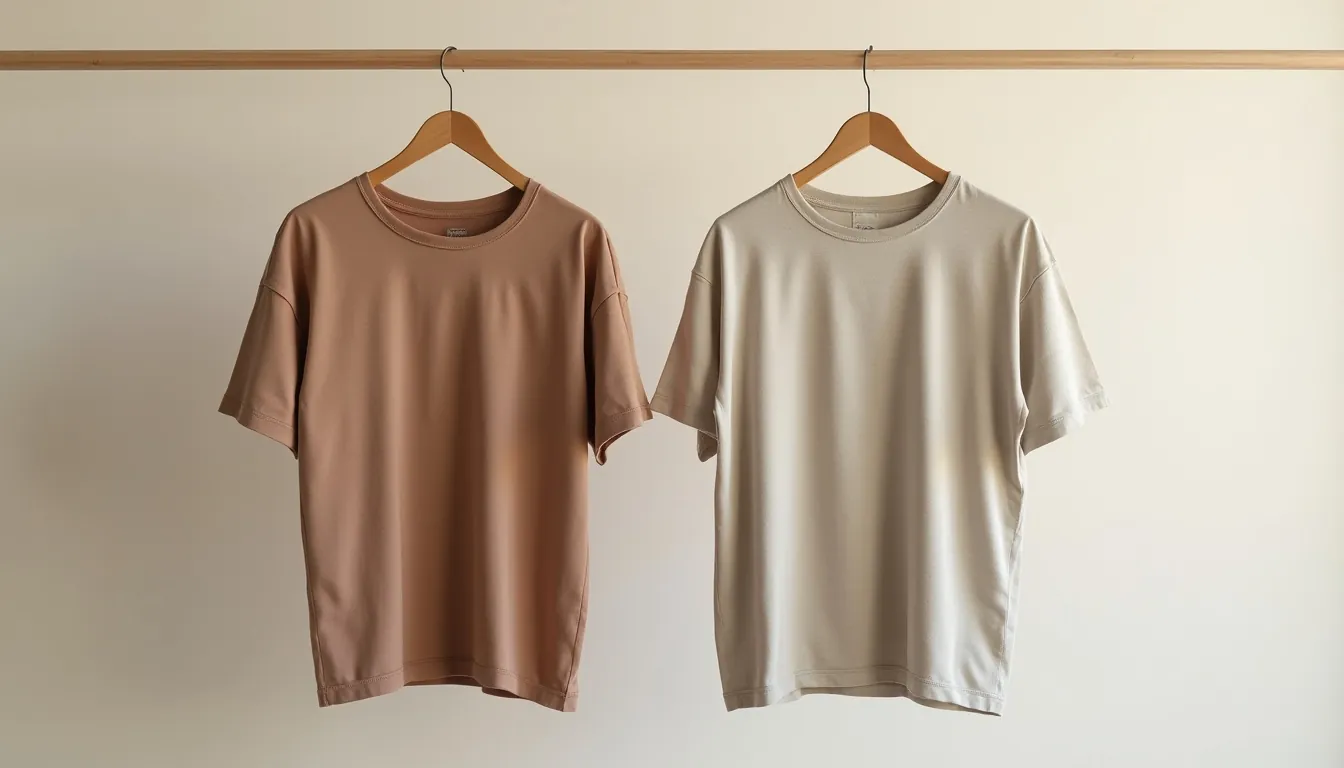
Fast Fashion vs Sustainable Brands: Which is Better for Everyday Wear?
Making a Sustainable Choice when it comes to your clothes is becoming more important. You might wonder if buying cheap, trendy clothes is okay, or if paying a bit more for something “green” is truly worth it. This guide will help you understand the big differences between fast fashion and sustainable brands for your daily outfits. We’ll explore which option is truly better for you, your wallet, and our planet, helping you create a reliable fashion brand quality guide for your wardrobe.
What Exactly is Fast Fashion?
Fast fashion is all about making clothes super quickly and cheaply. These clothes often follow the latest trends you see on social media and in magazines. Brands want you to buy new styles all the time, sometimes even weekly.
This means new clothes appear in stores very fast, often at low prices. You can grab a new outfit without spending much money. It feels good to always have the newest look, but there’s a catch.
Fast fashion focuses on quantity and speed, not always on quality. The goal is to get clothes to you fast so you can stay trendy. This model has a big impact on the world around us.
The Hidden Costs of Fast Fashion
While fast fashion looks appealing with its low prices and trendy styles, it comes with many hidden costs. These costs affect our planet and the people who make our clothes. Understanding them is key to truly evaluating sustainable fashion vs fast fashion.
Environmental Impact: A Big Problem
Fast fashion production uses a lot of resources. Huge amounts of water are needed to grow cotton and dye fabrics. This process often pollutes rivers and oceans with harmful chemicals.
Many fast fashion items are made from synthetic materials like polyester. These plastics don’t break down easily and can take hundreds of years to disappear. Every time you wash clothes made of these materials, tiny plastic pieces called microplastics wash into our waterways. This affects fish and other wildlife.
The sheer volume of clothes produced also creates massive waste. People buy clothes, wear them a few times, and then throw them away. Landfills are overflowing with discarded garments, creating a huge environmental burden.
Ethical Concerns: Who Makes Your Clothes?
The low prices of fast fashion often mean low wages for the people who make the clothes. Many garment workers, especially in developing countries, work long hours in unsafe conditions. They earn very little money.
These workers might not have basic rights or protections. Child labor is also a sad reality in some parts of the fast fashion industry. This raises serious ethical questions about where our clothes come from.
Quality and Durability: A Short Lifespan
Fast fashion clothes are not made to last. The materials are often cheap, and the stitching can be weak. You might find a seam coming undone or a fabric pilling after just a few washes. This impacts your personal fashion brand quality guide.
Because they fall apart quickly, you end up needing to buy new clothes more often. This creates a cycle of constant buying and throwing away. It can feel like you’re saving money, but you might spend more in the long run.
What Are Sustainable Brands?
Sustainable brands offer a different way to think about clothing. They focus on creating clothes that are good for people and the planet. This means they think about the whole journey of a garment, from start to finish.
These brands care about using eco-friendly clothing materials. They also make sure their workers are treated fairly and paid well. Their goal is to make clothes that last a long time, so you don’t have to buy new ones constantly.
Choosing sustainable brands is about making a conscious effort. It’s about buying less but buying better. It’s a movement towards more responsible shopping.
The Benefits of Sustainable Brands for Everyday Wear
Choosing sustainable brands brings many positives, especially for the clothes you wear every day. You’ll notice a difference not just in how your clothes feel, but also in how long they last. Let’s look at the sustainable fashion pros and cons, focusing on the good parts here.
Durability of Ethical Brands: Made to Last
One of the biggest advantages of sustainable fashion is how long it lasts. These brands invest in better materials and stronger stitching. They want you to keep their clothes for years, not just a few months.
Think about a well-made t-shirt from an ethical brand. It might cost more initially, but it will probably outlast five cheap fast-fashion t-shirts. This focus on the durability of ethical brands means you replace items less often. This becomes a key part of your own fashion brand quality guide.
You save money over time because you’re not constantly replacing worn-out items. This also reduces the amount of waste going into landfills. Quality fabrics and strong construction simply hold up better to daily wear and washing.
Comfort and Quality: A Better Feel
Sustainable brands often use high-quality, natural materials. Think organic cotton, hemp, or linen. These fabrics feel softer and are more breathable against your skin. This makes your everyday wear much more comfortable.
Better quality also means better fit and finish. Clothes from sustainable brands often look nicer and retain their shape longer. This higher standard of craftsmanship is another reason to trust your fashion brand quality guide towards ethical options.
When you wear something well-made, you feel more confident and comfortable. It’s a small but significant upgrade to your daily life. The care put into making the clothes translates into a better experience for you.
Ethical Production: Peace of Mind
Knowing your clothes were made fairly feels good. Sustainable brands make sure their workers have safe workplaces and earn fair wages. They often provide benefits and respect worker rights.
This transparency means you can trust that your purchase supports good practices. You’re not contributing to exploitation or unfair labor. This aspect is a huge advantage when you compare sustainable fashion vs fast fashion.
It allows you to enjoy your clothes without worrying about the hidden human cost. You’re part of a positive change in the fashion industry. Supporting ethical production helps empower communities.
Environmental Impact: A Kinder Footprint
Sustainable brands prioritize the planet. They use materials that have less impact, like organic cotton grown without harmful pesticides. Many also use recycled materials or innovative fabrics.
They often have better water and energy management in their factories. This means less pollution and less waste. Some brands even use renewable energy sources.
Choosing these brands actively helps reduce textile waste and pollution. You are contributing to a healthier environment. This choice helps protect natural resources for future generations.
Fast Fashion vs Sustainable Fashion: A Direct Comparison
Let’s put them side-by-side to really see the difference. This comparison is vital for understanding sustainable fashion pros and cons in a practical way.
| Feature | Fast Fashion | Sustainable Fashion |
|---|---|---|
| Price | Very low, affordable for many budgets | Higher initial cost, but cheaper long-term |
| Quality | Low, often flimsy materials and weak construction | High, durable materials and strong craftsmanship |
| Durability | Very short lifespan, falls apart quickly | Long lifespan, designed to last for years |
| Trends | Follows rapidly changing trends, quickly outdated | Focuses on timeless styles, less trend-driven |
| Environmental Impact | High pollution, excessive waste, resource depletion | Low pollution, reduced waste, sustainable resources |
| Ethical Impact | Often exploitative labor practices, poor conditions | Fair wages, safe conditions, worker respect |
| Materials | Synthetic, conventional cotton, cheap blends | Organic cotton, linen, hemp, recycled materials, innovative eco-fibers |
| Shopping Frequency | Encourages frequent buying, high consumption | Encourages buying less, making conscious choices |
As you can see, when we look at sustainable fashion vs fast fashion, the differences are quite stark across many important areas. Your personal fashion brand quality guide will clearly point to sustainable options for lasting value.
Addressing Common Concerns about Sustainable Fashion
You might be thinking, “This all sounds great, but what about the price?” It’s true that sustainable fashion often costs more upfront. However, there are ways to make it work for you. Let’s dive into some of the questions you might have.
Price: Understanding the Investment
Yes, a sustainable t-shirt might cost more than a fast fashion one. This higher price covers the cost of better materials, fair wages for workers, and more responsible production methods. It’s an investment in quality and ethics.
Think of it like buying a good pair of shoes versus a cheap pair. The good pair lasts longer, feels better, and ultimately saves you money because you don’t have to replace them often. Sustainable clothing is the same. It often means a better value per wear.
Affordable Sustainable Options: Making it Accessible
You don’t have to break the bank to be sustainable. There are many ways to find affordable sustainable options. It’s about changing how you shop and how you think about your wardrobe.
- Buy Less, Choose Well: Instead of buying five cheap items, save up for one high-quality, versatile piece. You’ll end up with a more functional wardrobe.
- Second-Hand Shopping: This is one of the most sustainable and affordable ways to shop! Explore thrift stores, consignment shops, and online resale platforms like ThredUp or Poshmark. You can find amazing pre-loved clothes in great condition.
- Sales and Discounts: Sustainable brands sometimes have sales. Sign up for newsletters to be notified.
- Capsule Wardrobes: Build a small collection of versatile items that can be mixed and matched. This reduces the need for many different pieces.
- DIY and Mending: Learn to repair minor damages yourself. Sewing a button or mending a small tear can greatly extend the life of your clothes.
- Rent or Borrow: For special occasions, consider renting an outfit instead of buying one you’ll wear once.
Availability: Where to Find Sustainable Brands
Sustainable brands are becoming easier to find. Many ethical brands operate online, shipping directly to you. You can also find them in dedicated eco-friendly boutiques or even some larger department stores are starting to carry them.
Look for brands that are transparent about their supply chain and materials. Researching a brand before you buy is a great way to ensure they align with your values. Websites dedicated to sustainable fashion can also guide you to reputable brands.
How to Build a Sustainable Everyday Wardrobe
Building a sustainable wardrobe isn’t about throwing everything out and starting new. It’s a journey, and you can take small steps. Here’s a practical fashion brand quality guide to help you on your way.
Look for Quality Indicators
When you shop, pay attention to the details.
- Fabric: Are the materials natural (like organic cotton, linen, hemp) or recycled?
- Stitching: Is it neat and strong, or does it look loose?
- Zippers and Buttons: Are they sturdy and well-attached? These small details are part of a good fashion brand quality guide.
Check the garment’s composition label. Look for certifications that show ethical and environmental standards. This attention to detail ensures you’re investing in items with the durability of ethical brands.
Choose Durable Pieces
Focus on timeless styles that won’t go out of fashion quickly. Pick clothes in versatile colors that can be mixed and matched.
- Materials matter: Choose fabrics known for their strength, like heavy-duty cotton twill or pure wool.
- Construction: Look for reinforced seams and well-finished edges. These traits contribute to the durability of ethical brands.
Investing in pieces that can withstand regular wear and washing means you won’t need to replace them as often. This saves you money and reduces waste.
Care for Your Clothes Properly
The way you wash and store your clothes greatly affects their lifespan.
- Read labels: Always follow the care instructions on the garment.
- Wash less: Do you really need to wash that sweater after one wear? Airing clothes out can often refresh them.
- Gentle washing: Use cold water and gentle cycles. Air dry whenever possible instead of using a hot dryer.
Proper care extends the life of your clothes, making your sustainable investment last even longer. It’s a simple step that has a big impact.
Shop Smart: Embrace Second-Hand and Sales
As mentioned before, second-hand is your friend! You can find unique and high-quality items for a fraction of the original price.
- Thrift stores: A treasure trove for unique finds.
- Online resale apps: Websites like ThredUp or Depop make it easy to buy and sell used clothes.
- Consignment shops: Often carry higher-end, pre-owned items.
Also, keep an eye out for sales from your favorite sustainable brands. Patience can pay off in finding great deals on ethical clothing.
Support Certified Brands
Look for certifications that prove a brand’s sustainability claims. These third-party badges help you trust that a brand is truly eco-friendly clothing.
- GOTS (Global Organic Textile Standard): For organic fibers.
- Fair Trade Certified: Ensures fair labor practices.
- Bluesign: Focuses on reducing harmful substances in textile production.
- B Corp Certification: For businesses meeting high social and environmental performance standards.
These certifications offer a shortcut to identifying brands that meet strict criteria. You can learn more about these standards and eco-certification tools here.
Resale and Repair: Extend Your Clothes’ Life
When you’re done with a garment, consider giving it a new life.
- Sell or donate: If it’s still in good condition, sell it on a resale app like Poshmark or donate it to a charity.
- Repair: Don’t throw away an item just because of a small hole or broken zipper. Learn basic mending or take it to a professional.
- Many communities have local tailors or specialized clothing repair services.
- Some brands even offer repair services for their products.
Embracing repair and resale is a cornerstone of sustainable fashion. It keeps clothes out of landfills and gives them a continued purpose.
Spotlight on Sustainable Brands
Many amazing brands are leading the way in sustainable fashion. They show that you don’t have to sacrifice style for ethics. Here are some types of sustainable brands to look for, offering various affordable sustainable options.
- Organic Cotton Basics: Brands like Example Eco-Basics focus on high-quality, GOTS-certified organic cotton t-shirts, underwear, and simple dresses. They prioritize comfort and longevity. These are great for building the core of your everyday wardrobe.
- Upcycled and Recycled Fashion: Some brands, like Example Re-Fashioned Goods, take old clothes or fabric scraps and turn them into new, unique pieces. Others use recycled plastic bottles to create new fabrics for activewear or outerwear. This drastically reduces waste.
- Fair Trade Apparel: Companies like Example Ethical Wear ensure that every person involved in making their clothing receives fair wages and works in safe conditions. They often partner with artisan communities, empowering them.
- Innovators in Sustainable Materials: Look for brands experimenting with new materials like Tencel (made from wood pulp), Piñatex (from pineapple leaves), or even mushroom leather. Brands like Example Bio-Fashion are pushing boundaries. These materials offer exciting, low-impact alternatives to traditional fabrics, further enhancing eco-friendly clothing choices.
Each of these categories helps you navigate your fashion brand quality guide towards better choices. By supporting these brands, you’re voting for a better future for fashion.
Making the Switch: Your Sustainable Choice Journey
Switching to a more sustainable wardrobe doesn’t happen overnight. It’s a journey, and every small step you take makes a difference. Don’t feel pressured to overhaul your entire closet at once.
Start by replacing fast-fashion items with sustainable ones as they wear out. Maybe your next pair of jeans comes from a brand known for the durability of ethical brands. Or perhaps your next sweater is made from eco-friendly clothing materials.
Remember the sustainable fashion pros and cons we discussed. The benefits for your comfort, your wallet in the long run, and the planet are immense. Your choices have power.
By making conscious decisions, you contribute to a more ethical and environmentally friendly fashion industry. Your Sustainable Choice helps create a better world, one outfit at a time. Embrace the journey towards a wardrobe that you can truly feel good about wearing every single day.
FAQ Section
Q1: Are sustainable clothes really worth the extra cost?
A1: Yes, they often are worth the initial higher price. Sustainable clothes are made with better materials and craftsmanship. This means they last much longer, reducing the need to constantly buy replacements. Over time, you can actually save money because of the durability of ethical brands.
Q2: How can I tell if a brand is truly sustainable or just “greenwashing”?
A2: Look for transparency and certifications. A truly sustainable brand will openly share information about its supply chain, materials, and labor practices. Look for third-party certifications like GOTS, Fair Trade, or B Corp. These are key indicators in your fashion brand quality guide. Be wary of vague claims without evidence, which is known as greenwashing.
Q3: What are some affordable sustainable options for someone on a budget?
A3: Second-hand shopping is your best friend! Thrift stores, consignment shops, and online resale apps like ThredUp offer great finds at low prices. You can also focus on buying fewer, more versatile items, and taking good care of the clothes you already own. Mending and repairing clothes extends their life without buying new.
Q4: Can fast fashion ever be sustainable?
A4: It’s challenging for fast fashion to be truly sustainable due to its core model of rapid production and consumption. While some fast fashion brands are trying to incorporate recycled materials or better labor practices, their business model still encourages constant buying and disposal. The fundamental goal of sustainable fashion vs fast fashion is different.
Q5: What is the environmental impact of fast fashion specifically?
A5: Fast fashion has a huge environmental impact. It consumes vast amounts of water and energy, often pollutes rivers with toxic dyes, and contributes massively to textile waste in landfills. The use of synthetic fabrics also releases microplastics into our oceans. This is why eco-friendly clothing is so important.
Q6: What is a capsule wardrobe, and how does it relate to sustainability?
A6: A capsule wardrobe is a collection of a few essential, versatile clothing items that can be mixed and matched to create many different outfits. It promotes sustainability by encouraging you to buy fewer, higher-quality items. This focus on versatility and quality perfectly aligns with the principles of sustainable fashion pros and cons, minimizing waste and maximizing wear.
Q7: Where can I find more information about eco-certification tools?
A7: You can find detailed information about various eco-certifications and their criteria on the websites of the certifying bodies themselves. Resources like the GOTS website, Fair Trade USA, and B Lab’s B Corp directory are excellent starting points. Additionally, many sustainable fashion blogs and guides offer summaries of these certifications, like this resource on eco-certifications.




Leave a comment