
Fashion Brand Quality Guide: How to Judge Clothes Before You Order
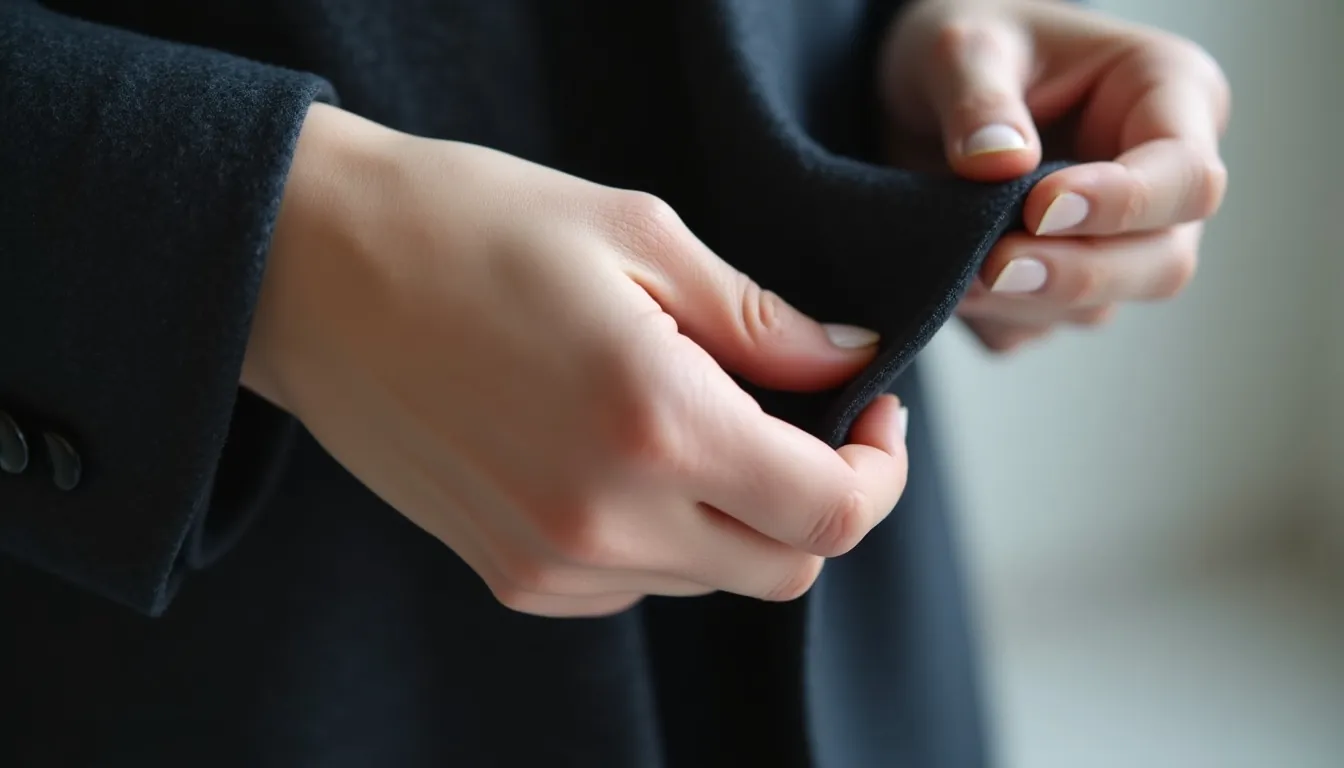
Are you tired of buying clothes online, only to find they don’t look or feel as good as they did in the pictures? It’s a common problem in today’s fast-paced fashion world. This Quality Guide is here to help you become a smarter shopper.
You want your clothes to last and make you feel great, right? This fashion brand quality guide will show you exactly what to look for. You’ll learn how to judge clothes like a pro before you even click “order.”
The Importance of a Fashion Brand Quality Guide Before You Buy
Shopping for clothes online is super convenient, but it also has its challenges. You can’t touch the fabric or see the tiny details up close. This makes it hard to know if you’re getting good value for your money.
That’s why a reliable fashion brand quality guide is so important. It helps you make informed choices. You deserve clothes that stand the test of time and wear well.
Why Online Shopping Makes Quality Tricky
When you shop in a store, you can feel the material and inspect the seams. Online, you only have pictures and words to go by. This can sometimes be misleading.
Brands might use special lighting or angles to make items look better. They might also use vague descriptions. This makes your job as a quality detective harder.
Saving Money and Frustration
Buying clothes that fall apart quickly is a waste of your hard-earned money. It also leads to a closet full of items you don’t truly love or wear. You can avoid this by learning a few tricks.
This fashion brand quality guide will help you invest in pieces that last. You’ll feel happier with your purchases and save money in the long run.
Decoding Fabric Quality: Your First Fabric Quality Tips
The fabric is the very first thing to consider when judging clothing quality. It’s the foundation of any garment. Knowing about different materials is one of the best fabric quality tips you can get.
Good fabric feels nice against your skin and holds its shape. Bad fabric can feel scratchy, pill easily, or stretch out quickly. Let’s dive into what makes a fabric great.
Natural vs. Synthetic Fibers
Fabrics come from two main sources: nature or laboratories. Both have their own good points and bad points. Understanding these differences is key.
You’ll find that different occasions call for different fabric types. This knowledge helps you choose wisely.
Natural Wonders
Natural fibers come from plants or animals. They are often breathable and feel lovely. Think of soft cotton or warm wool.
- Cotton: This is a very popular natural fiber, known for being soft and breathable. Look for Pima or Egyptian cotton for extra softness and strength. Good quality cotton will feel dense and smooth, not thin or rough.
- Linen: Made from the flax plant, linen is super breathable and great for warm weather. It wrinkles easily, but that’s part of its charm. High-quality linen feels strong and slightly crisp, softening beautifully with wear.
- Wool: Coming from sheep, wool is warm, durable, and naturally resistant to wrinkles. Merino wool is especially soft and less itchy than traditional wool. Always check if it’s 100% wool or a blend.
- Silk: A luxurious fiber known for its smooth, shiny feel and elegant drape. Silk is strong but delicate, so it requires careful handling. Real silk feels cool to the touch and has a beautiful shimmer.
Synthetic Superstars
Synthetic fibers are man-made. They often offer durability, stretch, and water resistance. They can be great for activewear or specific functions.
- Polyester: Very durable, resistant to wrinkles, and quick-drying. It’s often used in activewear or as a blend to add strength. Good polyester shouldn’t feel plasticky or overly shiny.
- Rayon (Viscose): This fiber starts from wood pulp, so it’s technically semi-synthetic. It has a soft, silky feel and drapes well, but can wrinkle and be less durable than other options. Quality rayon feels fluid and soft, not stiff.
- Nylon: Extremely strong, elastic, and resistant to abrasion. It’s often found in swimwear, hosiery, and outerwear. High-quality nylon will feel smooth and durable.
- Elastane (Spandex/Lycra): Known for its incredible stretch and ability to recover its shape. It’s almost always blended with other fibers to add comfort and flexibility. Even a small percentage can make a big difference in fit.
Understanding Fabric Blends
Many clothes are made from a mix of different fibers. This is called a blend. Brands often mix fibers to get the best qualities of each.
For example, a cotton-polyester blend might be soft like cotton but more wrinkle-resistant like polyester. You should always check the exact percentage of each fiber. A good blend should enhance the fabric, not just make it cheaper.
Weight and Weave Matter
The weight of a fabric tells you how dense or heavy it is. A heavier fabric often means more durability and better drape. For instance, a thick denim jacket will be more durable than a thin one.
The weave is how the threads are put together. Different weaves create different textures and strengths. Common weaves include plain weave (like broadcloth), twill (like denim), and satin. A tight, even weave usually means better quality and less chance of fraying.
How to “Feel” Fabric Online
Since you can’t touch fabrics online, you have to be clever. Read the product descriptions very carefully. Look for details about the fiber content, weave, and weight.
High-resolution, close-up photos are your best friend. Zoom in to see the texture and how the fabric drapes. Does it look sheer or substantial? Does it have a natural sheen or an artificial gloss?
You can also visit [EXTERNAL LINK: Learn more about different fabric types here](https://www.textilelearner.net/) to deepen your understanding. This will help you identify good quality just from descriptions. For a vast selection of materials, consider exploring options at [AFFILIATE LINK SUGGESTION: Explore premium fabrics at Fabric.com](https://www.fabric.com/), which often provides detailed fabric specifications.
Stitching Checks: The Hidden Sign of Good Craftsmanship
You might not think about stitching much, but it’s a huge indicator of quality. Good stitching checks can reveal a lot about how well a garment is made. Poor stitching means your clothes won’t last long.
It’s one of the most important things to scrutinize. Even small details in stitching can make a big difference. Let’s learn what to look for.
Why Stitching is So Important
Stitching holds your clothes together. If the stitches are weak, uneven, or easily come undone, your garment will quickly fall apart. This is true no matter how nice the fabric is.
Strong, neat stitching shows that time and care were put into making the item. It’s a sign of a quality garment that will withstand washing and wear. You want your clothes to stay intact.
What to Look For in Product Photos
It can be tricky to see stitching online, but good brands will provide clear photos. Zoom in on seams, hems, and areas around zippers or buttons. Look for consistency and neatness.
- Evenness and Density: Stitches should be uniform in length and distance from each other. There should be no loose threads or skipped stitches. More stitches per inch often mean stronger seams.
- Finished Seams: High-quality garments often have finished seams that prevent fraying. Look for French seams (where raw edges are enclosed) or flat-felled seams (like on jeans). Overlocked seams are also good if they are neat and consistent.
- Reinforcement: Check for extra stitching in stress areas like pockets, armholes, or crotches. Bar-tacks (short, dense zigzag stitches) are common reinforcements. These spots are usually the first to tear.
- Loose Threads: If you can spot many loose threads hanging from seams in the photos, it’s often a bad sign. It means the garment wasn’t finished properly. This suggests a lack of attention to detail.
Types of Stitches to Note
Different types of stitches serve different purposes. Understanding a few basic ones can help you assess quality. The most common is the lockstitch, which is strong and durable.
Overlock stitches (also known as serging) are used to finish edges and prevent fraying. Flatlock stitches create flat, comfortable seams, often seen in activewear. A well-executed stitch pattern speaks volumes about garment construction. You can find a [EXTERNAL LINK: Visual guide to garment stitching](https://blog.createandcraft.com/sewing-machine-stitch-guide/) to help you identify these types more easily.
Mastering Size Chart Accuracy: Get the Right Fit Every Time
One of the biggest headaches of online shopping is guessing your size. A garment can be made from the best fabric and have perfect stitching, but if it doesn’t fit, it’s useless. Mastering size chart accuracy is crucial for a successful purchase.
You need to know how to interpret size charts and use them to your advantage. This skill will save you countless returns and disappointments. Let’s make sure you get the right fit, every single time.
Why Standard Sizing Isn’t Standard
The truth is, there’s no universal sizing standard across all brands. A “medium” from one company might be completely different from a “medium” at another. This is why you can’t rely solely on your usual size.
Vanity sizing, where clothes are labeled with smaller sizes than they actually are, also adds to the confusion. You need to look beyond the label. Always consult the brand-specific size chart.
How to Use a Brand’s Size Chart
Every reputable brand should provide a detailed size chart. This chart will list specific measurements for different parts of the body. You should always compare your own measurements to this chart.
- Measure Yourself Correctly: Grab a flexible tape measure and get help if you can. Measure your bust (around the fullest part), waist (narrowest part), and hips (fullest part). Also, consider inseam length for pants and sleeve length for tops.
- Compare Your Measurements: Look at the brand’s chart and find the size that best matches your current measurements. Don’t just pick the size you usually wear. If you’re between sizes, consider how you want the garment to fit (snug or loose).
- Read the Fit Notes: Many brands include notes like “runs small,” “relaxed fit,” or “true to size.” These extra tips are super helpful for
size chart accuracy. They can guide your decision between sizes.
Reading Customer Reviews for Sizing Insights
Other shoppers are your secret weapon for gauging size chart accuracy. Read customer reviews specifically looking for comments about sizing. Do many people say it runs small or large?
Look for patterns in the feedback. If several reviewers mention buying a size up or down, that’s a strong indicator. Pay attention to reviews from people with similar body types to yours.
Virtual Try-On and Fit Tools
Some forward-thinking brands are now offering virtual try-on tools. These use augmented reality or special algorithms to suggest your best fit. While not perfect, they can be a fun and helpful guide.
There are also third-party fit tools that integrate with many online stores. These tools ask you a few questions about your body and preferred fit. They then recommend a size based on their vast database. [EXTERNAL LINK: Explore virtual sizing tools like True Fit](https://www.truefit.com/) can show you how these work. For retailers known for their detailed size guides and customer service, [AFFILIATE LINK SUGGESTION: Shop clothes with detailed size guides at Nordstrom](https://www.nordstrom.com/) is a great option.
Beyond the Basics: Other Signs of a Fashion Quality Guide
Fabric and stitching are fundamental, but a comprehensive fashion quality guide looks at more. Many other small details contribute to the overall quality and longevity of a garment. These elements often separate a good brand from a great one.
Paying attention to these extra signs can elevate your shopping game. You’ll start noticing things others miss. Let’s explore these important, often overlooked, quality indicators.
Hardware and Embellishments
The little things truly matter. Buttons, zippers, snaps, and other bits attached to clothing are called hardware. Good hardware should be sturdy, well-attached, and work smoothly.
- Buttons: Are they sewn on securely with good thread? Do they look like cheap plastic or a more durable material like shell or metal? Extra buttons usually mean a caring brand.
- Zippers: High-quality zippers should glide smoothly without snagging. YKK is a well-known brand for reliable zippers. Look for metal zippers for durability on coats and jeans.
- Snaps and Clasps: These should snap firmly and not feel flimsy. If they feel loose or easily pull apart, they’re likely low quality. Good quality hardware adds to the garment’s lifespan.
When it comes to embellishments like embroidery or appliques, they should be neatly done. The stitching should be dense and even, with no loose threads. If beads or sequins are used, they should be securely attached.
Lining and Interfacing
Many garments, especially jackets, skirts, or dresses, have a lining. A good lining adds comfort, helps the garment drape nicely, and protects the main fabric. It should be sewn in neatly and not pull or bunch.
Interfacing is a hidden layer of fabric that adds structure and shape. You’ll often find it in collars, cuffs, and waistbands. Its presence indicates thoughtful construction and helps the garment keep its form over time. A garment with proper lining and interfacing shows attention to detail.
Dye Quality and Colorfastness
You want your clothes to keep their color, right? Good dye quality means the color is rich and even, with no streaks or faded spots. It also means the color won’t bleed onto other clothes when washed.
While you can’t test colorfastness before buying, you can look for hints. Check reviews for comments about colors fading or bleeding. Also, be wary of extremely bright or dark colors on very cheap fabrics, as these tend to bleed more. A brand that uses quality dyes cares about your long-term satisfaction.
Brand Reputation and Transparency
A brand’s reputation is a major part of this fashion quality guide. Do a quick search online for reviews of the brand itself. What do other customers say about their overall quality and service?
- About Us Page: A good brand often shares its story, values, and manufacturing practices. Look for transparency regarding their supply chain and commitment to quality. This helps you understand their ethos.
- Sustainability Practices: Many quality brands are also focused on ethical and sustainable production. This often goes hand-in-hand with better materials and craftsmanship. Look for certifications or clear statements on their website.
- Customer Service: A brand with excellent customer service is more likely to care about product quality. They stand behind their products and are usually helpful if issues arise. This is a good indicator of their commitment.
The Return Policy Checklist: Your Safety Net
Even with all your fashion brand quality guide knowledge, sometimes things just don’t work out. Maybe the fit is off, or the color isn’t quite right in person. That’s why a clear and fair return policy is your ultimate safety net.
Before you buy, always, always check the brand’s return policy checklist. Understanding it can save you a lot of hassle and potential financial loss. Don’t overlook this crucial step.
Understanding the Basics of Returns
A return policy tells you how and when you can send an item back if you’re not happy. It covers things like the time frame for returns, the condition the item needs to be in, and who pays for shipping. Think of it as your buyer’s guarantee.
A transparent and reasonable return policy signals a brand that trusts its products and cares about customer satisfaction. It gives you peace of mind. You’re less likely to be stuck with something you don’t want.
Key Things to Check
Go to the brand’s website and find their return policy. Read through it carefully. Make sure you understand all the terms and conditions.
Here are the most important points for your return policy checklist:
- Return Window: How many days do you have to return an item from the date of delivery? Most brands offer 14-30 days. Shorter windows can be very stressful.
- Condition of Item for Return: Can you try it on and still return it? Does it need to have tags still attached? Usually, items must be unworn, unwashed, and in their original condition.
- Who Pays for Shipping: Does the brand offer free return shipping, or will you have to pay? Free returns are a huge bonus and make shopping less risky. Some brands provide a pre-paid label.
- Restocking Fees: Some companies charge a fee to process returns. Be aware of this, as it can reduce your refund amount. Reputable brands often avoid these.
- Final Sale Items: Be extra careful with items marked “final sale” or “non-returnable.” These cannot be returned or exchanged, often because they are heavily discounted. Make sure you are 100% sure about these items.
- Refund Method: Will you get your money back to your original payment method, or will you receive store credit? Getting your money back is usually preferred.
Why a Good Return Policy Matters
A good return policy builds trust between you and the brand. It shows they are confident in their products and value your experience. It reduces the risk of online shopping.
If a brand has a very strict or unclear return policy, it might be a red flag. It could mean they know their quality isn’t always up to par. You have consumer rights when buying online; [EXTERNAL LINK: Consumer rights regarding online purchases](https://www.usa.gov/online-purchases) can provide further information. For a truly worry-free shopping experience, [AFFILIATE LINK SUGGESTION: Shop with confidence from Zappos' excellent return policy](https://www.zappos.com/) is widely known for its customer-friendly approach.
Leveraging Customer Reviews and Community Feedback
Customer reviews are like getting advice from thousands of people who’ve already bought the item. They offer real-world insights that product descriptions can’t. Learning to use them wisely is a crucial part of your fashion brand quality guide.
You can learn a lot about sizing, fabric feel, and durability from honest feedback. But you also need to know how to spot the truly helpful reviews. Let’s make you a review-reading expert.
How to Spot Authentic Reviews
Not all reviews are equally useful, and some might even be fake. Look for reviews that are detailed and specific. They should mention things like fabric feel, fit issues, stitching quality, or how the item holds up after washing.
Reviews with photos are gold! They show you how the item looks on real people, not just professional models. Be wary of overly enthusiastic or extremely short reviews that don’t offer much detail.
Looking for Common Themes
Instead of just reading one or two reviews, look for common patterns. If multiple people mention the same issue, like “the zipper broke easily” or “it shrunk a lot after washing,” pay attention. These recurring comments are strong indicators of potential quality problems.
Similarly, if many reviews praise a specific aspect, like “the fabric is so soft” or “it’s incredibly well-made,” that’s a positive sign. These common themes give you a more accurate picture of the product. They help you form your own fashion quality guide for specific items.
Beyond the Brand’s Website
Don’t limit yourself to reviews on the brand’s own website. These might sometimes be filtered or curated. Look for feedback on independent platforms and social media.
- Social Media: Search for the brand or product name on Instagram, TikTok, or Facebook. You might find real people posting unboxing videos or outfit photos. These visual reviews can be very helpful.
- Forums and Blogs: Fashion forums, Reddit communities, and independent style blogs often have honest discussions about brands and products. Search for specific items you’re interested in.
- Independent Review Sites: Websites like
[EXTERNAL LINK: Check brand reviews on Trustpilot](https://www.trustpilot.com/)or Sitejabber collect reviews from many different customers. They offer an unbiased perspective on a brand’s overall performance.
Putting Your Fashion Brand Quality Guide Skills to the Test
Congratulations! You’ve just gained a lot of valuable knowledge from this fashion brand quality guide. You now have the tools to make much smarter decisions when shopping for clothes online. No more guesswork or disappointment for you.
Remember, becoming a savvy shopper takes practice. The more you apply these fabric quality tips, stitching checks, and size chart accuracy techniques, the better you’ll become. You’ll soon develop an excellent eye for quality.
Always keep your return policy checklist in mind as your final safeguard. It’s there to protect your purchase. Happy and confident shopping is within your reach.
FAQ Section
Q: What are the best fabrics for durability?
A: For durability, you should look for natural fibers like cotton, linen, and wool, especially in denser weaves. Synthetic fibers like polyester and nylon are also known for their strength and resistance to wear and tear. Blends like cotton-polyester can offer a good balance of durability and comfort.
Q: How do I know if a brand is ethical?
A: To check if a brand is ethical, look for transparency on their website. They should clearly state their manufacturing processes, where their clothes are made, and their labor practices. Certifications from organizations like Fair Trade or GOTS (Global Organic Textile Standard) are strong indicators of ethical production. Reviews can also offer insight.
Q: Can I trust all online reviews?
A: No, you cannot trust all online reviews blindly. It’s important to look for detailed reviews, ideally with photos, and to read many reviews to spot common themes. Be cautious of reviews that seem overly positive or negative without specific details. Always check reviews on independent sites, not just the brand’s own website.
Q: What’s a fair return window?
A: A fair return window usually ranges from 14 to 30 days from the date you receive your item. Some brands offer even longer periods, which is a great bonus. Anything less than 14 days might be too short, especially for online shopping where shipping times can vary.
Q: Is expensive always better quality?
A: Not always! While higher prices often correlate with better materials and craftsmanship, it’s not a guarantee. Some expensive brands charge a premium for their name or trendiness rather than superior quality. Conversely, some less expensive brands can offer surprisingly good quality. Always use your fashion brand quality guide skills, regardless of the price tag. Focus on the fabric, stitching, and brand reputation.
Conclusion
You now have a powerful fashion brand quality guide at your fingertips. By paying attention to fabric, stitching, fit, and brand details, you can make much smarter choices. You’ll stop wasting money on clothes that disappoint.
Start putting these tips into practice today. You’ll quickly become an expert at spotting quality garments online. Enjoy building a wardrobe of clothes you truly love and that truly last!

Leave a comment