
How to Start Dropshipping with Limited Budget: Under $100 Complete Setup Guide (2024)
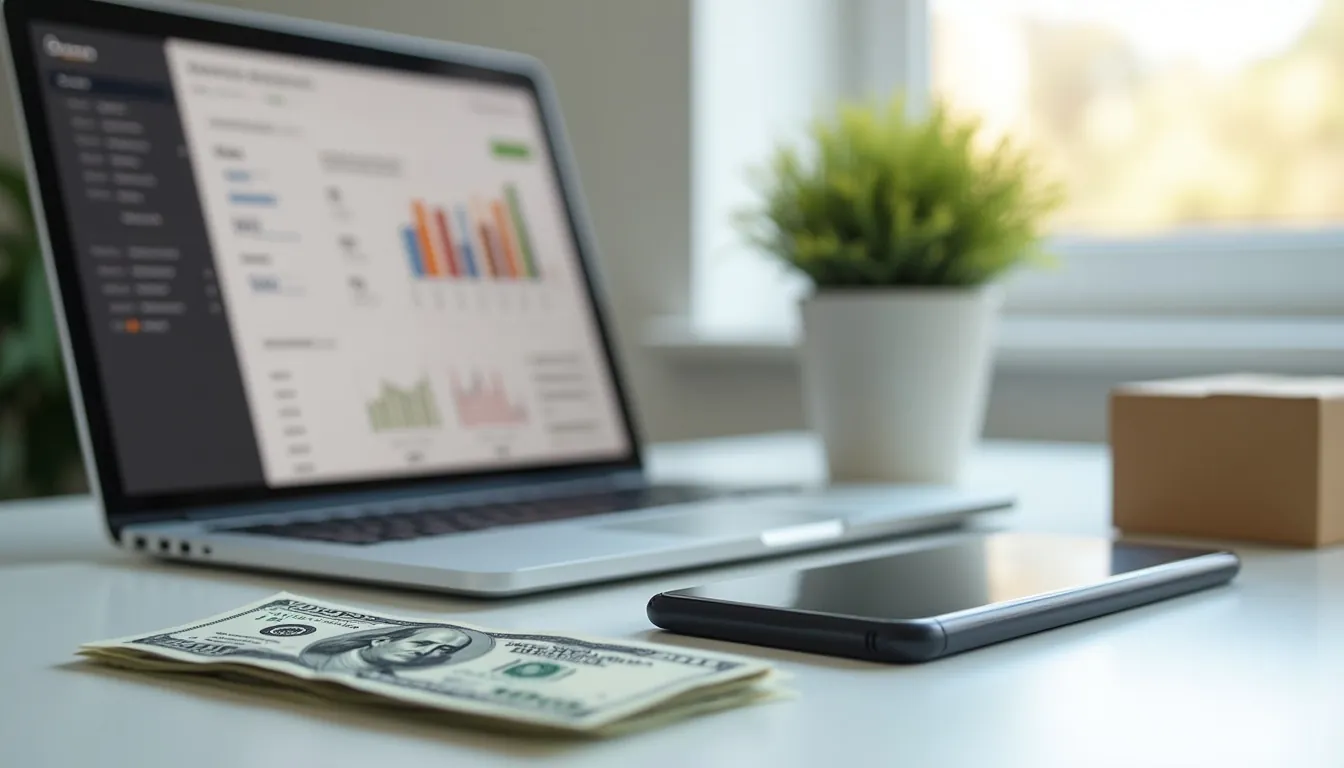
Your Dream of Dropshipping Starts Now: Under $100 in 2024!
Have you ever dreamed of running your own online store, but felt like you needed a huge budget to get started? Many people think dropshipping requires thousands of dollars, but that’s simply not true. You can absolutely start dropshipping with a limited budget, even under $100, and launch your business in 2024. This guide will show you exactly how to start dropshipping with limited budget, proving that online entrepreneurship is accessible to anyone.
This isn’t just wishful thinking; it’s a strategic approach to bootstrapping your way to success. We’ll cover everything from finding products to marketing your store, all while keeping a close eye on your initial $100 investment. Get ready to turn your entrepreneurial dreams into a real, functioning business. You don’t need to break the bank to begin your dropshipping journey today.
Is Dropshipping Really Possible Under $100?
Yes, absolutely! The traditional idea of needing a lot of money for inventory or a fancy website is outdated. Dropshipping means you don’t buy products until a customer orders them. This model cuts out huge upfront inventory costs.
Your $100 budget will focus on the absolute essentials to get your store up and running. We’ll prioritize free tools, trials, and extremely low-cost services. This approach makes starting a business more about smart choices than deep pockets.
Breaking Down Your $100 Budget
To make this work, you need to be very strategic with every dollar. We’ll separate expenses into “Absolute Must-Haves” and “Nice-to-Haves” that you can add later. Your goal is to launch with the bare minimum and reinvest profits.
Think of your initial $100 as seed money, not a spending spree. Every penny must contribute directly to getting your first sale. By being resourceful, you can stretch your budget further than you might imagine.
Essential vs. Optional Expenses
Here’s a quick look at what we’ll prioritize within your budget. Many of these items have free or very low-cost alternatives. We’re aiming for efficiency and impact.
| Expense Category | Priority | Budget Target ($) | Notes |
|---|---|---|---|
| Domain Name | Essential | $1 - $15 | Crucial for professionalism, look for deals. |
| Website Platform | Essential | $0 - $10 | Free trials, free tiers, or budget hosting for WordPress. |
| Product Sourcing | Essential | $0 | AliExpress is free to browse and list products. |
| Payment Gateway Setup | Essential | $0 | Stripe, PayPal are free to set up, only charge per transaction. |
| Logo Design | Essential | $0 | Use free tools like Canva. |
| Email Marketing Tool | Optional | $0 - $10 | Free trials or plans (Mailchimp). Start later if budget is tight. |
| Social Media Tools | Optional | $0 - $6 | Free versions or trials (Buffer). Focus on manual posting initially. |
| Legal Pages | Essential | $0 | Free online generators or templates. |
| Marketing (Paid Ads) | Optional | $0 | Start with free marketing channels only. |
| Buffer | Essential | Remaining | Keep a small buffer for unexpected minor costs. |
You can see that many essential items have a $0 target, which is key. This lean approach will help you stay well within the $100 limit. Let’s dive into the specifics of making each step budget-friendly.
The Absolute Must-Haves
For your how to start dropshipping with limited budget under $100 2024 journey, these are the non-negotiables. Everything else can wait. Your main focus should be on getting a store live and ready to take orders.
- Domain Name: This is your online address (e.g., yourstore.com). It makes your business look professional and trustworthy. You can find domain names for as low as $1-$15 for the first year. Namecheap [affiliate link] is a great place to find affordable domains.
- Website Platform: This is where your store lives. We have several free or very low-cost options to explore. The goal is to avoid high monthly fees until you start making sales.
- Product Sourcing Access: You need to be able to find and list products without paying upfront. AliExpress [affiliate link] is the go-to for this, offering millions of products without any listing fees.
- Payment Gateway: You need a way to accept payments from customers. Services like Stripe and PayPal are free to set up. They only charge a small fee per transaction, so you only pay when you make a sale.
Every other tool or service can either be replaced by a free alternative or postponed. Your mantra should be “launch first, optimize later.”
Step-by-Step Guide to Starting Dropshipping Under $100
This section will walk you through each critical step. Remember, the goal is to be lean and smart with your money. You will learn how to start dropshipping with limited budget effectively.
Step 1: Niche & Product Research
This is where you decide what to sell. Don’t skip this step! A good niche can make all the difference. You want a niche that isn’t too broad, but also has enough potential customers.
Think about your interests, current trends, and problems you can solve for people. Use free tools to validate your ideas. This step costs you nothing but your time and creativity.
Finding Winning Products for Free
You don’t need expensive software to find great products. There are many free methods available. Spend time on these platforms to see what’s popular.
- AliExpress Best Sellers: Browse the “Best Selling” section on AliExpress [affiliate link]. This shows you what’s already proven to sell well. Look for products with many orders and good reviews.
- Google Trends: See what people are searching for. Look for rising trends that fit your niche. Avoid fads that quickly disappear.
- Social Media: Scroll through TikTok, Instagram, and Facebook. What products are getting a lot of engagement? Look at popular hashtags like #tiktokmademebuyit.
- Competitor Analysis: Visit other dropshipping stores (or even Amazon/Etsy) and see what they are selling. What are their best sellers? How can you offer something similar, but better or unique?
- Problem-Solving Products: What common problems do people face? Can you find a product that offers a simple solution? These often sell very well.
Choose 2-3 specific products within your niche to start with. Don’t overwhelm yourself with too many choices initially. Focus on products that are lightweight, durable, and offer a clear benefit.
Step 2: Choosing Your Platform
This is where your store will live. We have two main budget-friendly options for low-cost dropshipping platforms. Both allow you to start with minimal investment.
Option 1: Free Website Builder Trials (Wix, Squarespace)
Many popular website builders offer free trials, usually for 14 days. This gives you time to set up your store and potentially make sales before paying. If you can make sales quickly, you can then pay for the first month.
- Wix: Offers a robust drag-and-drop builder and plenty of templates. You can connect dropshipping apps during the trial. Start your Wix free trial [affiliate link] and build your store without immediate commitment.
- Squarespace: Known for its beautiful, clean templates. Also offers a free trial period. Explore Squarespace’s 14-day free trial [affiliate link] to see if it fits your aesthetic.
The downside is that you will eventually need to pay for a plan. However, this strategy allows you to test your idea for free. If you get sales, you can use those profits to pay for your first month. If you combine this with a budget domain, you can get a store live for under $15 to start.
Option 2: WordPress + WooCommerce (Budget Hosting)
This option offers more flexibility and is often more scalable in the long run. WordPress and WooCommerce are both free software. Your main cost here will be web hosting and a domain name. This is a powerful combination for how to start dropshipping with limited budget.
- Domain Name: As mentioned, grab an affordable domain from Namecheap [affiliate link] for around $1-$15.
- Budget Hosting: This is where you pay a small monthly fee for your website to be online. Look for introductory offers.
- Bluehost: Offers shared hosting plans often starting around $2.95 - $4.95 per month. They are known for being beginner-friendly. Check out Bluehost’s budget hosting options [affiliate link].
- Hostinger: Another excellent budget-friendly host with plans starting around $1.99 - $3.99 per month. They often have great deals for new users. Explore Hostinger’s affordable plans [affiliate link].
With a domain and budget hosting, you can install WordPress and WooCommerce for free. Your total initial cost for this setup could be as low as $5-$20 for the first month or year (if you buy a longer hosting term upfront). This is an excellent choice for free ecommerce website builders combined with low-cost hosting.
Step 3: Setting Up Your Store
Once you have your platform, it’s time to build your storefront. Focus on simplicity, clarity, and trust. You don’t need fancy features right away.
Store Design
Keep it clean and easy to navigate. Most website builders and WordPress themes are mobile-responsive, which is crucial.
- Theme: Use a free theme that looks professional. Most platforms offer many free options.
- Logo: You don’t need to hire a designer. Use a free online logo maker. Canva [affiliate link] offers a fantastic free plan with tons of templates and design tools. You can create a professional-looking logo in minutes.
- High-Quality Images: Use the images provided by your supplier on AliExpress. Ensure they are clear and show the product well. You can also look for royalty-free stock photos if needed.
Writing Product Descriptions
Don’t just copy and paste from AliExpress. Make your descriptions engaging and highlight benefits, not just features. Think about who your ideal customer is and what problems your product solves.
- Focus on Benefits: Instead of “plastic water bottle,” say “Stay hydrated all day with our durable, leak-proof water bottle.”
- Use Bullet Points: Make descriptions easy to read and scan.
- Tell a Story: How will this product improve your customer’s life?
- Keywords: Naturally include keywords related to your product to help with search engines.
Step 4: Connecting Payment Gateways
This is how you get paid! Thankfully, setting these up is free. You only pay a small transaction fee when a customer buys something. These are your budget-friendly payment gateways.
- Stripe: A popular choice for accepting credit card payments directly on your site. It’s free to set up and integrates easily with most platforms.
- PayPal: Allows customers to pay with their PayPal account or a credit card. Also free to set up and widely trusted.
- Other Options: Some platforms might offer their own payment solutions (like Shopify Payments, though Shopify itself has higher monthly fees). Stick to Stripe and PayPal for your limited budget.
Make sure your store clearly displays accepted payment methods. This builds trust with your customers. You won’t spend any of your $100 here directly, as fees are only incurred after a sale.
Step 5: Sourcing Products
This is the core of dropshipping: finding products without holding inventory. Your primary tool here will be AliExpress [affiliate link]. It’s free to use and connect to your store.
- Oberlo (Free Plan): If you’re using Shopify (which has higher monthly fees than your budget allows), Oberlo offers a free Starter Plan. However, for a truly
under $100 complete setup guide, we’re focusing on non-Shopify options or using free trials of website builders. - Manual Sourcing: For WordPress/WooCommerce users, you can manually import products from AliExpress. Tools like AliDropship (paid plugin) can automate this later, but start manually to save money. Copy product details, images, and set your prices.
- Finding Reliable Suppliers: Look for suppliers with high ratings (4.5 stars and above) and many positive reviews. Check their store’s age and review details. Communication is key, so don’t hesitate to message them with questions.
- Product Pricing: Mark up your products enough to cover the supplier’s cost, shipping fees, transaction fees, and leave you with a profit. A general rule of thumb is to aim for a 2-3x markup, but research competitor pricing.
This step costs you $0 upfront. You only pay the supplier after a customer has paid you. This is crucial for affordable product sourcing.
Step 6: Marketing Your Store for Free
Now that your store is ready, you need to attract customers. With a minimal startup costs breakdown, paid ads are out of the question initially. You’ll rely on free marketing channels. This requires time and effort, but it’s incredibly effective for bootstrap dropshipping strategies.
Social Media Power
Leverage the power of platforms where your potential customers hang out. This is a prime area for free marketing channels.
- Instagram: Great for visual products. Post high-quality images and short videos. Use relevant hashtags.
- TikTok: Huge potential for viral content. Create short, engaging videos demonstrating your products. Use trending sounds and challenges.
- Facebook Pages/Groups: Create a business page. Join relevant niche groups and share valuable content (not just direct sales pitches). Engage with the community.
- Pinterest: Fantastic for inspiring products like home decor, fashion, or crafts. Create beautiful pins linking back to your product pages.
- Creating Content: Don’t just post product images. Show your products in use, share user-generated content (if you can get it), or create lifestyle posts.
- Scheduling Tools (Optional/Trial): To save time, you might consider social media scheduling. Buffer [affiliate link] offers a free plan for up to 3 social accounts and 10 scheduled posts. This can help you stay consistent.
Email Marketing
Start building an email list from day one. Email marketing has one of the highest returns on investment.
- Mailchimp Free Plan: Mailchimp [affiliate link] offers a generous free plan for up to 500 contacts and 1,000 sends per month. This is perfect for beginners.
- Capture Emails: Add a simple signup form to your website (e.g., “Sign up for exclusive discounts”). Offer a small incentive like 10% off the first order.
- Send Welcome Sequences: Set up an automatic email that new subscribers receive. Introduce your brand and showcase a few products.
- Promotional Emails: Send emails about new products, sales, or useful content related to your niche.
SEO Basics
Search Engine Optimization (SEO) helps your store appear higher in Google search results. This is a long-term strategy, but free to start.
- Keyword Research: Use Google’s search bar suggestions and related searches at the bottom of the page. What terms are people using to find products like yours?
- On-Page SEO: Include your chosen keywords naturally in product titles, descriptions, and blog posts.
- Blog Content: Write short blog posts related to your niche. For example, if you sell pet products, write “5 Tips for Training a New Puppy.” This attracts organic traffic.
- Image Alt Text: Describe your product images using keywords. This helps search engines understand your content.
Community Engagement
Engage with your audience wherever they are. Respond to comments, answer questions, and build relationships. This builds trust and loyalty. Participate in online forums or Reddit communities related to your niche. Offer helpful advice, and only subtly mention your store if it’s genuinely relevant.
Step 7: Fulfilling Orders
Once you get an order, the real work begins (and it’s still largely free!).
- Order Confirmation: Send an automated email to your customer confirming their purchase.
- Place Order with Supplier: Go to AliExpress (or your chosen supplier), find the exact product, and order it. Make sure to enter your customer’s shipping address, not your own.
- Tracking Information: Once the supplier provides a tracking number, send it to your customer. Keep them updated on their order’s journey.
- Packaging: Some dropshipping apps allow you to request “no promotional materials” from the supplier to keep your brand consistent. If ordering manually, you can add a note to the seller.
This process becomes streamlined with experience. Your cost here is the actual product cost, which is covered by the customer’s payment.
Step 8: Customer Service
Excellent customer service is vital, especially when you’re starting with a limited budget. It builds trust and encourages repeat business.
- Be Responsive: Answer questions and resolve issues promptly.
- Be Polite and Professional: Even when dealing with difficult customers.
- Provide Clear Information: About shipping times, returns, and product details.
- Handle Disputes Gracefully: If a product is faulty or delayed, work with your supplier and keep your customer informed.
- Create FAQ Page: Address common questions on your website to save time.
Good customer service is free and can turn a one-time buyer into a loyal advocate. Word-of-mouth is one of the most powerful free marketing channels.
Budget Breakdown Calculator: See How Your $100 Stacks Up!
Use this simple calculator to plan your initial dropshipping expenses. Remember, our goal is to stay under $100! Enter your estimated costs in the fields below.
Dropshipping Budget Planner ($100 Limit)
Total Estimated Cost: $0
Remaining Budget from $100: $100
This calculator helps you visualize your minimal startup costs breakdown. It’s a fantastic tool to plan your how to start dropshipping with limited budget journey. Remember, every dollar counts! Adjust the values to fit the exact prices you find.
Advanced Bootstrap Dropshipping Strategies
To truly succeed with a tiny budget, you need to be smart and efficient. These bootstrap dropshipping strategies will help you maximize your limited resources.
Leveraging Free Tools
There are hundreds of free tools online that can help your business. You don’t need to buy expensive software.
- Google Analytics: Track your website visitors for free. Understand where they come from and what they do.
- Google Search Console: Monitor your website’s performance in Google search. Identify search queries and fix issues.
- Ubersuggest (Limited Free Plan): Get keyword ideas and content suggestions.
- SimilarWeb (Free Extension): See traffic estimates and sources for competitor websites.
- Hotjar (Free Plan): Understand user behavior on your site with heatmaps and recordings.
- Grammarly (Free Version): Ensure your product descriptions and marketing copy are error-free.
- Unsplash/Pexels: Find high-quality, royalty-free images for your website and social media.
- Google Sheets/Docs: Use these for tracking orders, managing finances, and planning content.
Always look for free trials or freemium versions of tools. You can often get significant value without spending a dime. Your time becomes your most valuable asset here.
Time as Your Investment
When you lack capital, you must invest time. This means doing everything yourself initially.
- Learn Skills: Watch free YouTube tutorials on website design, SEO, copywriting, and social media marketing.
- Manual Tasks: Manually post on social media, fulfill orders, and respond to customer inquiries. Automate later when you have profit.
- Experiment: Test different product descriptions, social media posts, and calls to action. See what resonates with your audience.
Your effort directly translates into savings. Think of your time as a direct substitute for money. This is the essence of how to start dropshipping with limited budget.
Focusing on One Niche
Don’t try to sell everything to everyone. Niche down. This makes your marketing efforts more focused and cheaper.
- Targeted Audience: When you know exactly who you’re selling to, you can create specific content. This is more effective than broad, generic messaging.
- Less Competition: Smaller niches often have less competition than huge markets. This makes it easier to stand out.
- Become an Authority: By focusing on one area, you can become an expert. Customers will trust your recommendations more.
A focused approach conserves your precious $100 budget. It prevents you from spreading your limited resources too thin. This is a critical bootstrap dropshipping strategy.
Common Pitfalls to Avoid
Even with a low budget, you can stumble. Be aware of these common mistakes to save yourself time and money.
- Overspending on Unnecessary Tools: Resist the urge to buy every shiny new app or software. Stick to the essentials. You are learning
how to start dropshipping with limited budget, so every penny matters. - Ignoring Customer Service: Bad reviews can kill a new business fast. Prioritize good communication and support.
- Poor Product Research: Don’t just pick random products. Validate demand and check for consistent quality.
- Unrealistic Expectations: Dropshipping isn’t a get-rich-quick scheme. It takes consistent effort and patience to see results.
- Neglecting Legalities: Ensure you have proper Privacy Policy, Terms of Service, and Refund Policy pages. You can use free online generators for these.
- No Marketing Strategy: Simply building a store is not enough. You need to actively promote it, especially using
free marketing channels. - Giving Up Too Soon: Your first sales might take time. Learn from your experiences, adjust your approach, and keep going.
Avoiding these pitfalls will improve your chances of success. They cost nothing to implement but require discipline.
Scaling Up Your Business
Once you start making consistent sales and have profits, you can begin to scale. Reinvesting your earnings is key.
- Upgrade Your Platform: Move to a paid plan if your free trial expires or if you need more features.
- Invest in Paid Ads: Start with small budgets on Facebook or Google Ads to reach a wider audience.
- Automate Tasks: Use dropshipping apps or virtual assistants to automate order fulfillment and customer service.
- Expand Product Range: Add more winning products within your niche.
- Improve Website Design: Invest in a premium theme or hire a designer if needed.
- Diversify Suppliers: Don’t rely on just one supplier. Find backups to ensure continuity.
Remember, the goal is to use your initial success to fuel further growth. This journey from how to start dropshipping with limited budget to a thriving business is a testament to smart entrepreneurship.
FAQ Section
Here are some common questions about starting dropshipping with a limited budget.
Q1: How quickly can I make my first sale with dropshipping under $100?
A1: This varies greatly. Some people make sales within days, others weeks or months. It depends on your niche, product, marketing efforts, and a bit of luck. The key is consistent effort.
Q2: Is $100 really enough to start a dropshipping business in 2024?
A2: Yes, it is! While it requires a very lean and strategic approach, leveraging free trials, budget hosting, and free marketing channels makes it entirely possible. Your time and effort are your biggest investments.
Q3: Do I need to register a business to start dropshipping?
A3: Initially, you might not need to, especially if you’re just testing the waters. However, as soon as you start making consistent sales, it’s highly recommended to register your business and understand your local tax obligations. This will vary by country and state.
Q4: What are the main ongoing costs I should expect after the initial $100?
A4: Your main ongoing costs will likely be your website platform (e.g., monthly hosting or platform subscription) and potentially a domain renewal (annually). As you grow, you might add email marketing services or paid advertising.
Q5: How do I handle returns and refunds with dropshipping?
A5: You’ll need a clear return policy. Usually, customers send returns directly to your supplier (or sometimes you might process a refund without a return for low-value items). Communicate clearly with your supplier about their return process.
Q6: Can I use my personal social media accounts for marketing?
A6: It’s better to create dedicated business accounts for your store. This keeps your personal and business lives separate and makes your brand look more professional.
Q7: What if my product takes too long to ship from AliExpress?
A7: This is a common concern. Be transparent with your customers about shipping times (e.g., 2-4 weeks). Offer ePacket shipping if available, as it’s faster and trackable. Clearly state shipping expectations on your product pages and FAQ.
Q8: Should I dropship high-ticket or low-ticket items with a limited budget?
A8: For a limited budget, low to medium-ticket items (e.g., $15-$50 sale price) are often easier to start with. They have less risk, higher impulse buy potential, and typically require less intense customer support.
Q9: How can I build trust with customers without a big brand name?
A9: Focus on a professional-looking website, clear and transparent policies (shipping, returns, privacy), excellent customer service, and social proof (reviews, if you can get them). A clear, branded domain name helps immensely.
Q10: What if I don’t make any sales with my $100?
A10: This is a risk with any business. If you follow this guide, your actual cash outlay should be minimal. If sales don’t happen, evaluate your niche, products, and marketing. Learn from the experience and iterate. The costs are low enough that it serves as a valuable learning curve.
Conclusion
You now have a complete how to start dropshipping with limited budget under $100 2024 guide. It shows you exactly how to kickstart your online store without emptying your wallet. By carefully choosing free tools, leveraging trials, and focusing on essential expenses, you can launch your dropshipping business today.
Remember, success in dropshipping isn’t about the size of your initial investment; it’s about smart decisions, consistent effort, and a willingness to learn. You have the tools and the roadmap. Now, it’s time to take action and build your dream. Your dropshipping journey starts now!
Related Posts
Top Dropshipping Businesses to Start in 2025 How to Start a Shopify Dropshipping Business in 2025 Budget Dropshipping Guide 2024: How to Start with $50 or Less (Step-by-Step) Start Dropshipping with Limited Budget: Free Tools + Low-Cost Strategies That Actually Work


Leave a comment