
How to Build a Capsule Wardrobe with Fewer but Better Quality Pieces
How to Build a Capsule Wardrobe with Fewer but Better Quality Pieces
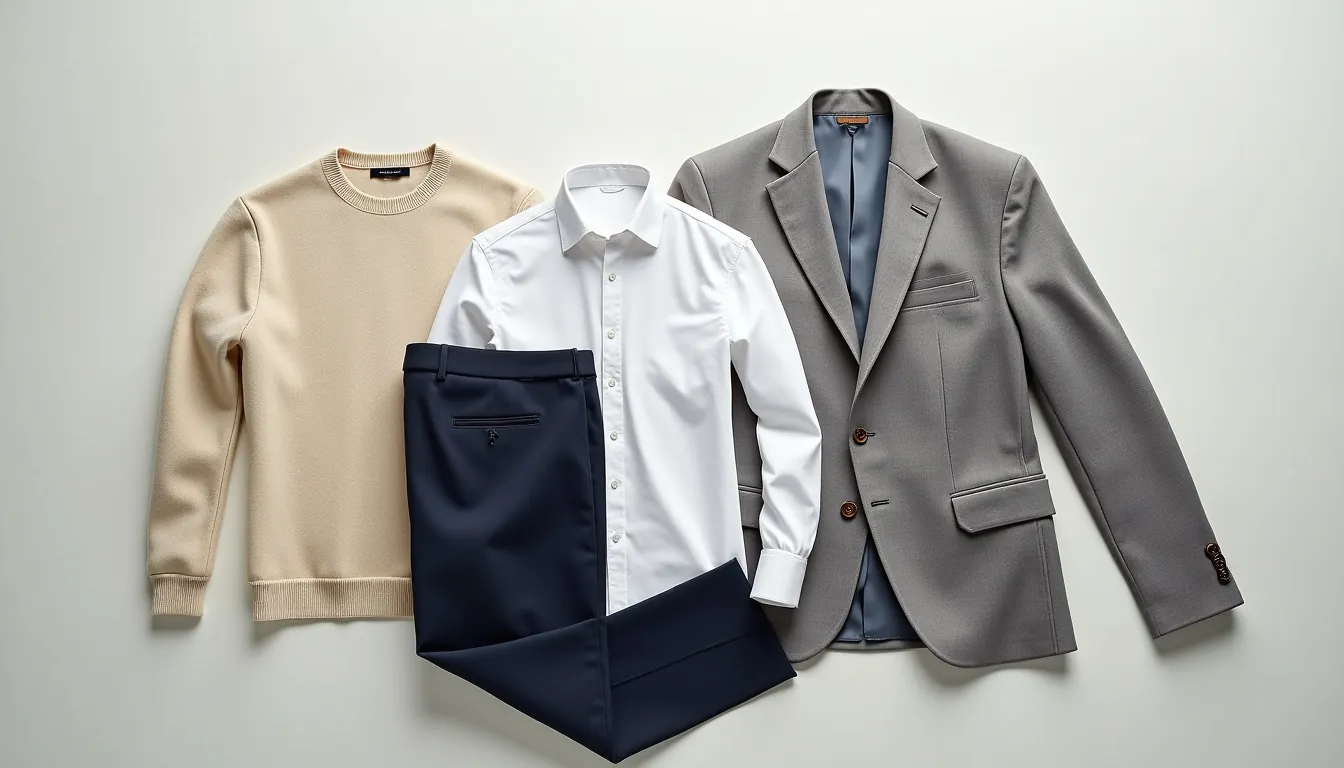
“Fewer but Better” – that’s the secret to a happy closet and a stress-free morning. Imagine opening your wardrobe to find only clothes you love and that fit perfectly. This dream is absolutely possible with a capsule wardrobe built on quality. You’ll save money, time, and look amazing every single day.
Forget overflowing closets and endless decision-making. We’re going to guide you through creating a collection of clothing that works hard for you. This approach is all about smart choices and lasting style.
What is a Capsule Wardrobe, Anyway?
Think of a capsule wardrobe as a mini collection of clothes that all mix and match together. It’s usually a smaller number of items, maybe 30-40 pieces, including shoes and accessories. These pieces are chosen carefully so you can create many different outfits for any occasion.
This smart way of dressing helps you save time getting ready each day. You won’t stare at a full closet wondering what to wear ever again. It also means you’ll save money in the long run by buying less.
Your wardrobe will become a source of joy, not stress. Every item earns its place by being versatile and something you genuinely love. This is a game-changer for your daily routine.
Why Choose Quality Over Quantity? The “Fewer but Better” Rule
You might think buying cheaper clothes saves money, but often it doesn’t. Fast fashion pieces wear out quickly, meaning you have to replace them more often. This creates a cycle of constant buying and throwing away.
Choosing “fewer but better” quality items means your clothes last longer. They look good wash after wash and stand up to daily wear. This actually saves you money over time because you’re not constantly replacing worn-out items. It’s also much better for our planet.
Imagine a favorite sweater that lasts for years instead of just a few months. That’s the power of investing in good quality pieces. You’ll build a wardrobe that truly supports your style and values.
One great way to think about this is using the “cost per wear” idea.
The “Cost Per Wear” Calculator
The “cost per wear” helps you understand the true value of an item. It’s simple: you divide the price of an item by how many times you expect to wear it. A $100 sweater worn 100 times costs you $1 per wear, but a $20 sweater worn only 5 times costs $4 per wear!
This calculator will show you how investing more upfront in a quality piece can actually be cheaper in the long run. You’ll see the real savings from choosing durable, long-lasting basics. Try it out to see the financial benefits of your new fashion brand quality guide approach.
How to use the calculator:
- Enter the price you paid for a clothing item.
- Estimate how many times you think you will wear it.
- Click “Calculate” to see its true cost per wear.
1
2
3
4
5
6
7
8
9
10
11
12
13
14
15
16
17
18
19
20
21
22
23
24
25
26
27
28
29
30
31
32
33
34
35
36
37
38
39
40
41
42
43
44
45
46
47
48
49
50
51
52
53
54
55
56
57
58
59
60
61
62
63
64
65
66
67
68
69
70
71
72
73
74
75
76
77
78
79
80
81
82
83
84
85
86
<style>
  .calculator-container {
    font-family: Arial, sans-serif;
    max-width: 400px;
    margin: 20px auto;
    padding: 20px;
    border: 1px solid #ddd;
    border-radius: 8px;
    background-color: #f9f9f9;
    box-shadow: 0 2px 4px rgba(0, 0, 0, 0.1);
  }
  .calculator-container h4 {
    margin-top: 0;
    color: #333;
  }
  .calculator-container label {
    display: block;
    margin-bottom: 8px;
    font-weight: bold;
    color: #555;
  }
  .calculator-container input[type="number"] {
    width: calc(100% - 22px);
    padding: 10px;
    margin-bottom: 15px;
    border: 1px solid #ccc;
    border-radius: 4px;
    font-size: 16px;
  }
  .calculator-container button {
    background-color: #007bff;
    color: white;
    padding: 10px 15px;
    border: none;
    border-radius: 4px;
    cursor: pointer;
    font-size: 16px;
    width: 100%;
    transition: background-color 0.3s ease;
  }
  .calculator-container button:hover {
    background-color: #0056b3;
  }
  .calculator-container #result {
    margin-top: 20px;
    padding: 10px;
    border: 1px solid #e0e0e0;
    border-radius: 4px;
    background-color: #e9ecef;
    color: #333;
    font-size: 18px;
    font-weight: bold;
    text-align: center;
  }
</style>

<div class="calculator-container">
  <h4>Cost Per Wear Calculator</h4>
  <label for="itemPrice">Item Price ($):</label>
  <input type="number" id="itemPrice" value="50" min="0" step="0.01">

  <label for="numWears">Estimated Number of Wears:</label>
  <input type="number" id="numWears" value="20" min="1">

  <button onclick="calculateCostPerWear()">Calculate Cost Per Wear</button>

  <div id="result">
    Enter values and click calculate.
  </div>
</div>

<script>
  function calculateCostPerWear() {
    const itemPrice = parseFloat(document.getElementById('itemPrice').value);
    const numWears = parseInt(document.getElementById('numWears').value);
    const resultDiv = document.getElementById('result');

    if (isNaN(itemPrice) || isNaN(numWears) || itemPrice < 0 || numWears <= 0) {
      resultDiv.textContent = "Please enter valid numbers for price and wears.";
      return;
    }

    const costPerWear = itemPrice / numWears;
    resultDiv.textContent = `Cost Per Wear: $${costPerWear.toFixed(2)}`;
  }
</script>
Your Ultimate Fashion Brand Quality Guide: Spotting Good Clothes
Knowing how to spot quality is the most important part of building your capsule wardrobe. It’s like being a detective for good clothes! You don’t need fancy labels to find long-lasting basics. You just need to know what to look for. This “fashion brand quality guide” will teach you all the tricks.
You’ll quickly learn to tell the difference between something that will fall apart and something that will last for years. This skill empowers you to make smarter shopping decisions. It ensures every piece you bring into your minimalist wardrobe guide is truly worth it.
What to Look For: The Key Quality Checkpoints
Fabric First: The Heart of the Garment
The material an item is made from tells you a lot about its quality and how long it will last. Natural fibers like cotton, wool, linen, and silk often breathe better and feel nicer. Synthetic fibers like polyester or nylon can be durable too, but check their blend.
You want fabrics that feel substantial, not flimsy. Hold the fabric up to the light; if you can see through it easily, it might be too thin. A good quality fabric will feel sturdy and have a nice drape.
Here’s a quick guide to common fabrics and their durability:
| Fabric Type | Pros | Cons | Best for |
|---|---|---|---|
| Cotton | Breathable, soft, durable, easy to care for | Wrinkles easily, can shrink | T-shirts, jeans, casual wear, underwear |
| Organic Cotton | Sustainable, soft, no harsh chemicals | Can be more expensive | Basics, loungewear, baby clothes |
| Wool | Warm, durable, wrinkle-resistant, moisture-wicking | Can be itchy (merino wool is softer), needs special care | Sweaters, coats, trousers |
| Linen | Very breathable, strong, dries quickly | Wrinkles a lot | Summer shirts, dresses, trousers |
| Silk | Soft, luxurious, breathable, drapes well | Delicate, expensive, needs hand washing | Blouses, scarves, formal wear |
| Tencel/Lyocell | Sustainable, soft, drapes well, strong when wet | Can be more expensive | Dresses, blouses, soft pants |
| Viscose/Rayon | Drapes well, soft, breathable | Weaker when wet, can stretch/shrink | Flowy dresses, blouses |
| Polyester | Durable, wrinkle-resistant, retains color, inexpensive | Not very breathable, can feel synthetic | Outerwear, activewear, blends |
| Nylon | Very strong, water-resistant, elastic | Not breathable, can feel synthetic | Activewear, swimwear, outerwear |
| Cashmere | Extremely soft, warm, lightweight | Very delicate, expensive, needs special care | Luxury sweaters, scarves |
Stitching: The Invisible Strength
Look closely at the seams of a garment. Good stitching is even, tight, and straight. You shouldn’t see loose threads or gaps in the stitches. If the stitches are pulling apart or look wavy, that’s a bad sign.
Turn the garment inside out. The seams should be finished, often with an overlock stitch (like a zigzag pattern). This prevents fraying and makes the item stronger. Raw, unfinished seams are a red flag for poor quality.
Reinforced seams in high-stress areas like armpits or crotches show extra attention to detail. This is a sign of long-lasting basics.
Buttons and Zippers: Small Details, Big Impact
Cheap buttons can fall off easily or crack. Look for buttons that are sewn on securely, ideally with a shank (a small piece of fabric creating a gap behind the button). This makes them easier to button and unbutton. Natural materials like shell or wood buttons are often a sign of better quality.
Zippers should glide smoothly without catching. YKK is a well-known brand for durable zippers, often found in quality garments. Avoid flimsy plastic zippers that look like they could break easily. Metal zippers tend to be more robust than plastic ones.
Lining: The Inner Comfort
Many garments, especially jackets, skirts, and dresses, have a lining. A good lining helps the garment drape nicely and prevents it from clinging. It also adds a layer of comfort against your skin.
The lining should be sewn in neatly and not pull or bunch up. It should be made of a breathable material, like Bemberg rayon or silk for nicer items, or a good quality polyester for others. A lining that is too tight or poorly sewn will make the garment uncomfortable and look cheap.
Pockets: Functional and Durable
Check pockets to make sure they are made from the same sturdy fabric as the rest of the garment, or a strong cotton blend. Flimsy pocket material will wear through quickly. The pockets should be sewn securely, not just tacked on.
Reach into the pockets. Do they feel roomy enough to be useful? Are they deep enough to hold your essentials without them falling out? These small details show good design and quality construction.
Patterns and Stripes: Do They Match Up?
If a garment has a pattern or stripes, check to see if they match up at the seams. This takes extra effort and care during manufacturing, so it’s a sign of a high-quality item. Poorly matched patterns often indicate a rush job and lower quality.
Look at the front closure of a patterned shirt or dress. Do the patterns line up across the buttons? This is a hallmark of truly well-made clothing.
Essential Checks Before You Buy
- Feel the fabric: Does it feel soft, substantial, and durable?
- Stretch test: Gently stretch the fabric. Does it bounce back to its original shape quickly?
- Inspect seams: Look for even, tight, and straight stitches. Check for finished edges inside.
- Check hardware: Are buttons secure? Does the zipper glide smoothly?
- Examine lining: Is it neatly sewn and comfortable?
- Review care label: Does it require extremely difficult care that you won’t do? This might mean it won’t last.
By following this fashion brand quality guide, you’ll become a pro at choosing pieces that stand the test of time. You’ll build a capsule wardrobe quality collection you can be proud of.
Starting Your Minimalist Wardrobe Guide: The Great Purge
The first step to building a “fewer but better” wardrobe is to clear out the old. This can feel scary, but it’s also very freeing. You’re making space for clothes that truly serve you. This is the core of any good minimalist wardrobe guide.
You need to be honest with yourself about what you truly wear and love. Don’t worry, we’ll walk you through it step-by-step. The goal is to create a peaceful, functional closet.
Step 1: Empty Your Closet
Take everything out of your closet and drawers. Yes, everything! Lay it all on your bed, a rug, or even the floor. This lets you see exactly how much you own.
Seeing everything in one big pile can be a real eye-opener. Don’t get overwhelmed; this is just the beginning. It’s about getting a clear picture before you start making decisions.
This first step is crucial for an effective minimalist wardrobe guide. It helps you reset and look at your clothes with fresh eyes.
Step 2: Sort into Categories
Now, go through each item one by one and put it into one of four piles:
- Keep: These are items you absolutely love, wear often, and that fit you well. They make you feel confident and happy.
- Maybe: These are items you like but aren’t sure about. Maybe they don’t fit perfectly, or you haven’t worn them in a while.
- Donate/Sell: These are items that don’t fit, are damaged, or you haven’t worn in over a year. Someone else can give them a new life.
- Trash: Items that are beyond repair, stained, or ripped.
Be honest with yourself during this process. If it doesn’t fit, or makes you feel “meh,” it probably belongs in the donate pile. A great resource for decluttering is Marie Kondo’s methods, which you can learn more about in her books or courses (Affiliate Link Example: “The Life-Changing Magic of Tidying Up” by Marie Kondo).
Step 3: Tackle the “Maybe” Pile
This is where the tough decisions happen. For each item in the “maybe” pile, ask yourself:
- “Does this make me feel great when I wear it?”
- “Have I worn this in the last six months (or year, for seasonal items)?”
- “Can this be easily mixed and matched with other items I’m keeping?”
- “Would I buy this again today if I saw it in a store?”
If the answer to most of these questions is no, it’s probably time to let it go. Remember, you’re aiming for a capsule wardrobe quality collection. Every piece should earn its spot.
This process helps you identify your true style and what pieces genuinely make you feel good. It’s a huge step towards a functional and beautiful wardrobe.
Building Blocks: Versatile Clothing Items You Need
Now that you’ve purged, it’s time to think about what goes back into your closet. The key here is “versatile clothing items.” These are pieces that can be dressed up or down, mixed and matched easily, and work for many different occasions. They form the foundation of your minimalist wardrobe guide.
Think of items that are timeless, not trendy. These long-lasting basics will be the workhorses of your new wardrobe. You’ll be amazed at how many outfits you can create with just a few chosen pieces.
Core Versatile Items for Your Capsule Wardrobe
Here’s a list of versatile clothing items that often form the backbone of a capsule wardrobe. Remember to choose items that suit your personal style, climate, and lifestyle.
- Plain T-shirts (2-3): White, black, grey, or navy are excellent choices. They are perfect for layering or wearing on their own. Look for good quality cotton or cotton blends.
- Well-fitting Jeans (1-2): A classic blue pair and maybe a black or dark wash. Ensure they fit comfortably and are made from durable denim.
- Neutral Trousers (1-2): Black, navy, or grey trousers that can be dressed up for work or down for casual outings. Choose a comfortable, quality fabric like wool or a blend.
- Classic White Shirt (1): A crisp, good quality cotton button-down shirt is incredibly versatile for both casual and formal looks.
- Simple Blouse/Top (1-2): Something a bit dressier than a T-shirt but still easy to wear. Look for natural fibers like silk or Tencel for better drape and feel.
- Knit Sweater/Cardigan (1-2): A cozy, neutral-colored sweater or a cardigan that can be layered. Merino wool or cashmere (if budget allows) offers excellent capsule wardrobe quality.
- Little Black Dress (1): Or a simple dress in another neutral color that can be styled for various events. This is a quintessential versatile clothing item.
- Blazer/Jacket (1): A well-tailored blazer in a neutral color instantly elevates any outfit. A denim jacket or a utility jacket can also be very versatile for casual wear.
- Outerwear (1-2): A classic trench coat, a wool coat, or a puffer jacket depending on your climate. Invest in good quality here as they are worn frequently.
- Shoes (3-5 pairs):
- Comfortable everyday sneakers (e.g., External Link: Adidas Stan Smith).
- Classic flats or loafers.
- Versatile boots (ankle boots are great).
- Dressier heels or sandals.
- Accessories: A quality belt, a versatile scarf, and a timeless handbag. These can add personality without adding clutter.
Remember, this is a starting point. Adjust it to your lifestyle. If you work from home, you might need more comfortable loungewear. If you have a formal job, you’ll need more tailored pieces. The goal is to have pieces that work for you.
Choosing Your Color Palette
A smart color palette is key to making all your versatile clothing items work together. Start with a base of neutrals: black, white, grey, navy, or beige. These colors mix and match effortlessly and always look chic.
Then, pick one or two accent colors that you love and that flatter you. These could be jewel tones, pastels, or brighter shades. Use these accent colors for tops, scarves, or accessories. For example, if your neutrals are black and white, you might add a pop of forest green or burgundy.
This strategy ensures that every top can go with every bottom, and every layering piece complements the rest. It simplifies getting dressed immensely.
Finding Your Capsule Wardrobe Brands: Where to Shop for Long-Lasting Basics
Once you know what to look for in terms of quality, the next step is finding brands that consistently deliver. Building a capsule wardrobe quality collection often means looking beyond fast fashion. You want brands that prioritize durability, ethical practices, and timeless design. This search becomes your personal “fashion brand quality guide” for smart shopping.
Many brands are now focusing on creating long-lasting basics. They understand the value of sustainable clothing. You might pay a bit more upfront, but remember the cost-per-wear benefits!
Brands Known for Quality Basics and Capsule Wardrobe Friendly Pieces (Examples)
- Everlane: Known for radical transparency in pricing and ethical factories. They offer a great range of modern basics like T-shirts, denim, and knitwear. They focus on clean lines and durable fabrics, making them excellent for long-lasting basics. (Affiliate Link Example: Shop Everlane for quality basics)
- Pact: Specializes in organic cotton basics, from underwear and socks to t-shirts and activewear. They are committed to fair trade practices and sustainability, providing comfortable capsule wardrobe quality items. (Affiliate Link Example: Explore organic cotton at Pact)
- Quince: Offers “affordable luxury” by cutting out the middleman. You can find silk blouses, cashmere sweaters, and linen dresses at surprisingly good prices, all designed to be long-lasting basics. (Affiliate Link Example: Discover affordable luxury at Quince)
- Patagonia: While known for outdoor gear, Patagonia’s commitment to quality and durability extends to their everyday wear. Their pieces are made to last and often have repair programs, embodying capsule wardrobe quality. (External Link: Learn about Patagonia’s Worn Wear program)
- COS: A H&M-owned brand focusing on modern, functional, and thoughtful design. Their pieces are often minimalist, well-structured, and made with good quality fabrics, perfect for versatile clothing items. (External Link: Shop COS for modern basics)
- Levi’s: A classic for durable denim. Investing in a good pair of Levi’s jeans means you’ll have them for years. They are the definition of long-lasting basics in the denim world. (Affiliate Link Example: Find your perfect Levi’s jeans)
Remember to always check reviews and read about a brand’s commitment to sustainability and ethical production. Your fashion brand quality guide isn’t just about the product, but also the process.
Tips for Smart Shopping
- Shop Sales Wisely: Don’t just buy something because it’s on sale. Only buy it if it fits your capsule wardrobe plan and you truly need it. Sales are a great time to invest in those long-lasting basics you’ve been eyeing.
- Thrift and Second-Hand: You can find amazing quality pieces at thrift stores or on consignment websites. This is a fantastic way to find unique, high-quality items at a fraction of the cost. It’s also super sustainable! (External Link: Explore ThredUp for second-hand fashion)
- Know Your Measurements: Don’t rely solely on size labels. Measure yourself and compare it to a brand’s size chart. This helps reduce returns and ensures a perfect fit, which is crucial for a capsule wardrobe quality piece.
- Try Before You Buy: If possible, try clothes on. Pay attention to how they feel, how they move with you, and if they flatter your shape. A perfect fit is a key part of choosing items you’ll wear often.
- Consider Customization/Alterations: If you find a quality piece that’s almost perfect but needs a small adjustment (like a hem or taking in the waist), consider getting it altered. A perfectly fitting garment will be worn much more often.
By being a smart shopper and using your fashion brand quality guide, you’ll build a closet full of clothes you adore.
Making it Last: Caring for Your Capsule Wardrobe Quality Pieces
Having fewer but better quality pieces means you’ll want them to last as long as possible. Proper care is essential to maintain the capsule wardrobe quality of your items. Think of it as protecting your investment. A little effort in caring for your clothes goes a long way.
This section will help you understand the best ways to wash, dry, store, and even repair your clothes. You’ll ensure your long-lasting basics truly stand the test of time.
Washing and Drying: Read the Labels!
The care label inside your clothes is your best friend. It tells you exactly how to wash, dry, and iron each item. Ignoring these instructions can quickly ruin a quality garment.
- Wash Less Often: You don’t need to wash clothes after every single wear, especially outerwear, jeans, or sweaters. Airing them out can often be enough. This reduces wear and tear on the fabric.
- Use Cold Water: Washing in cold water saves energy and is gentler on fabrics, preventing shrinking and fading. Most clothes don’t need hot water to get clean.
- Gentle Cycles: For delicate items like silk or wool, use the “delicate” or “hand wash” cycle on your machine. Or, hand wash them in a basin.
- Appropriate Detergent: Use a mild detergent. For wool and silk, use a special wool/delicate detergent that won’t strip their natural fibers.
- Air Dry When Possible: High heat from dryers can damage elastic, shrink cotton, and fade colors. Hang drying or laying flat to dry extends the life of many garments.
- Turn Inside Out: Wash dark clothes and items with prints inside out. This helps to protect the color and prevent pilling.
Taking these small steps makes a big difference in maintaining your capsule wardrobe quality.
Storage Tips: Keeping Things Pristine
How you store your clothes affects their longevity and appearance. Proper storage keeps your versatile clothing items ready to wear and helps them hold their shape.
- Use Quality Hangers: Invest in good quality wooden or padded hangers for items that need to be hung. Wire hangers can cause bumps and stretch shoulders. Quality hangers like these (Affiliate Link Example: Quality Wooden Hangers) are a great investment.
- Fold Knits: Sweaters, especially wool or cashmere, should be folded to prevent them from stretching out of shape. Store them neatly in drawers or on shelves.
- Drawer Dividers: Keep drawers organized with dividers for smaller items like socks, underwear, or activewear. This makes finding things easier and keeps your space tidy. (Affiliate Link Example: Drawer Dividers for organization)
- Protect Seasonal Items: Store off-season clothes in breathable garment bags or containers to protect them from dust and pests. Make sure they are clean before storing. (Affiliate Link Example: Breathable Garment Bags)
- Avoid Overstuffing: Don’t cram your closet or drawers full. Clothes need air to breathe and space to hang freely to prevent wrinkles and damage.
A well-organized closet not only protects your clothes but also makes it easier to appreciate your curated collection. You can also explore wardrobe apps like (Affiliate Link Example: Stylebook App) to keep track of your items and plan outfits.
Repairing and Mending: Extend Life, Reduce Waste
Even the best quality clothes might need a little TLC over time. Learning basic mending skills or taking items to a tailor can significantly extend their life. A loose button, a small tear, or a broken zipper doesn’t have to mean the end for a garment.
- Learn Basic Sewing: A sewing kit is inexpensive and can help you fix loose buttons, mend small holes, or reattach a fallen hem. There are many simple tutorials online.
- Visit a Tailor: For more complex repairs, like replacing a zipper or altering the fit, take your garment to a professional tailor. It’s often much cheaper than buying a new item.
- Embrace Visible Mending: Some repairs, like patching jeans or darning socks, can be done visibly and artistically. This adds character to your clothes and celebrates their longevity.
By caring for your items, you not only make them last but also show respect for the resources used to create them. This is a core tenet of the minimalist wardrobe guide.
The Benefits of Your New “Fewer but Better” Wardrobe
You’ve put in the work, and now it’s time to enjoy the rewards! Building a capsule wardrobe with a focus on “fewer but better” quality pieces brings a wealth of benefits to your life. You’ll wonder why you didn’t start sooner. This isn’t just about clothes; it’s about simplifying your entire routine.
You’re not just buying clothes; you’re investing in a lifestyle. One that is less cluttered, more thoughtful, and undeniably stylish.
Less Stress, More Time
- Easy Mornings: No more agonizing over what to wear. Everything in your closet mixes and matches, so outfit choices become quick and simple. You’ll save precious minutes every day.
- Decision Fatigue Reduced: A smaller, curated wardrobe means fewer choices, which reduces mental fatigue. You can save your decision-making energy for more important things.
Save Money in the Long Run
- Smart Investments: While quality pieces might cost more upfront, their durability means you buy less often. The “cost per wear” makes them a smart financial choice.
- Avoid Impulse Buys: Knowing exactly what you own and what you need helps you resist impulse purchases. You’re intentional about every new addition.
Enhanced Personal Style
- Defined Look: With a smaller collection, you develop a clearer sense of your personal style. Every piece reflects who you are and what you love.
- Always Cohesive: Because everything works together, your outfits always look polished and intentional. You’ll always feel put-together.
Increased Sustainability
- Reduced Waste: Buying fewer items and making them last longer significantly reduces textile waste. You’re doing your part for the planet.
- Ethical Choices: By focusing on capsule wardrobe brands that prioritize quality, you often support companies with better ethical and environmental practices. Your fashion brand quality guide helps you make conscious choices.
Peace of Mind
- Organized Space: A tidy, uncluttered closet brings a sense of calm and order to your home. Everything has its place.
- Appreciation: You’ll truly appreciate each item you own, knowing it’s a valued part of your carefully curated collection.
Your new wardrobe is more than just clothes; it’s a tool for a more mindful and enjoyable life.
FAQ: Your Capsule Wardrobe Questions Answered
Here are some common questions about building a minimalist wardrobe guide and choosing capsule wardrobe quality items.
Q: How many items are in a typical capsule wardrobe?
A: There’s no magic number! Most people aim for 30-40 items, including shoes and outerwear. Some go as low as 10-20, others higher. The best number for you depends on your lifestyle, climate, and personal needs. The key is that all items work together.
Q: Can I still have fun clothes or trendy items in a capsule wardrobe?
A: Absolutely! Your capsule wardrobe should reflect your style. While the core focuses on versatile clothing items and long-lasting basics, you can definitely include a few “fun” or “statement” pieces that bring you joy. Just make sure they can still be mixed with a few other items.
Q: How often should I update my capsule wardrobe?
A: Many people refresh their capsule wardrobe seasonally (about every 3 months) to swap out items for different weather. However, you don’t need to buy new things every season. You might only add a few new pieces a year, replacing items as they wear out or if your style evolves.
Q: Is a capsule wardrobe only for women?
A: Not at all! Men can benefit just as much from a capsule wardrobe. The principles of choosing versatile clothing items, focusing on long-lasting basics, and making smart investments apply to everyone. It’s about efficiency and style for all genders.
Q: What if I have a really specific dress code for work or hobbies?
A: You can have multiple “mini-capsules” within your main wardrobe. For example, a work capsule, a casual capsule, and perhaps a hobby-specific capsule (e.g., for hiking or art). The goal is still to have fewer, higher-quality items within each category that mix and match.
Q: Where can I get more help building my capsule wardrobe?
A: There are many resources available! You can find online courses that provide detailed steps and guidance, often with templates and worksheets. (Affiliate Link Example: Check out this comprehensive Capsule Wardrobe Masterclass!) These courses can be a great way to deepen your understanding of the fashion brand quality guide and get personalized advice.
Ready to Transform Your Closet?
You now have all the tools to start building your “fewer but better” capsule wardrobe. From understanding the value of quality with our fashion brand quality guide, to decluttering with our minimalist wardrobe guide, and selecting versatile clothing items, you’re set for success. This journey is about more than just clothes; it’s about creating a more intentional and joyful life.
Imagine the freedom of a closet where everything fits, everything matches, and everything makes you feel amazing. You deserve that simplicity and style. Start today, one quality piece at a time!



Leave a comment