
Are Premium Brands Really Better? What You Pay for vs What You Get
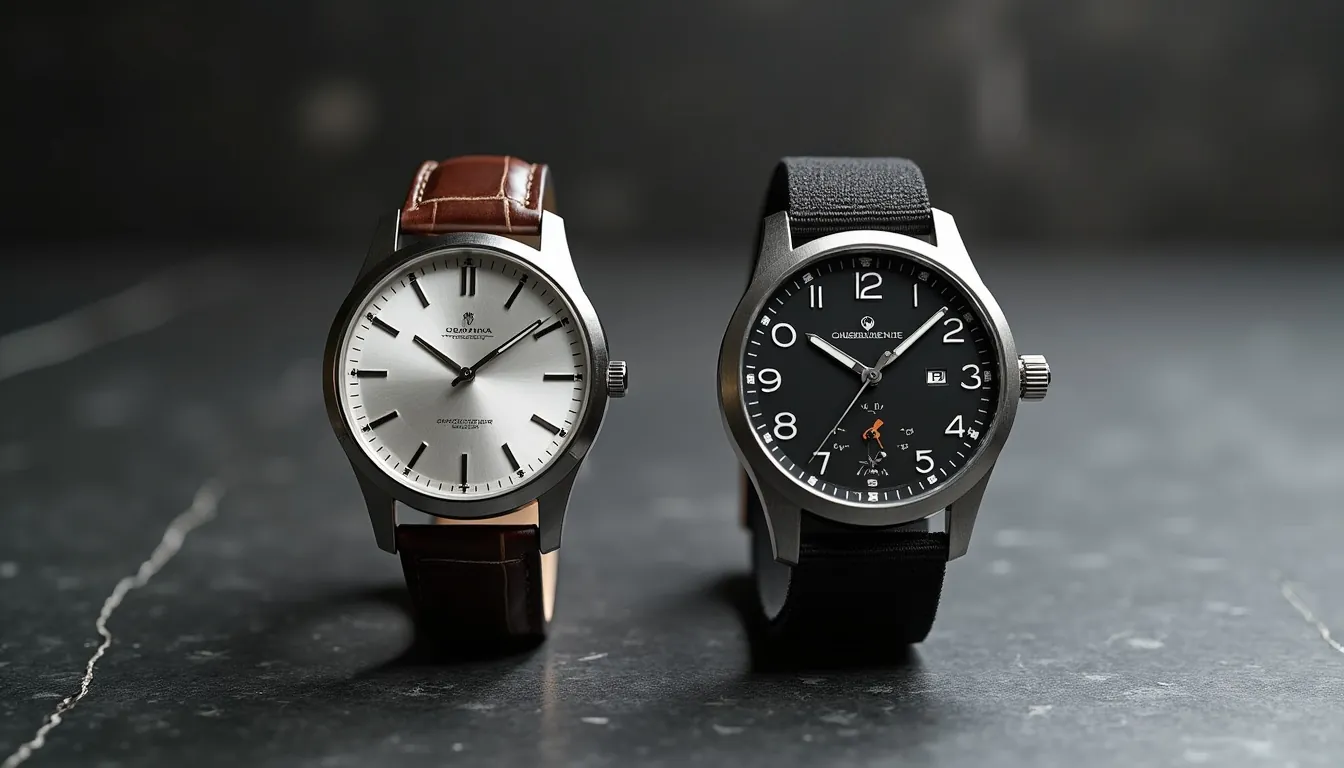
Are Premium Brands Really Better? What You Pay for vs What You Get
When you walk into a fancy store or see a famous name on a clothing tag, you might wonder, “Is this really worth the extra money?” We all want to look good and feel great in our clothes. But figuring out if a premium brand is truly better than a regular one can be tricky. This fashion brand quality guide will help you understand what you’re paying for and what you’re actually getting.
What Makes a Brand “Premium”?
Being a “premium” brand often means more than just a high price tag. It hints at a certain level of quality, style, and sometimes, a long history. You expect something special when you buy from a premium brand. It’s about the promise of premium brand quality.
Beyond Just the Price Tag
A brand becomes premium through a mix of things. This includes its history, its famous designers, and the stories it tells. People often buy these brands because of how they make them feel, not just what they are made of. This is a big part of branding vs quality.
Many premium brands spend a lot on marketing and creating beautiful stores. This helps them build an image that makes their clothes seem more special. You might feel like you’re buying into a lifestyle, not just an item of clothing.
The Promise of Premium Brand Quality
When you choose a premium item, you expect it to be well-made and last a long time. You hope the fabric feels amazing and the fit is perfect. This promise is what draws many people to spend more money. They believe they are getting something superior.
Often, premium brands promise unique designs you won’t find anywhere else. They might use special techniques or limited editions. This exclusivity adds to the feeling of getting something truly special.
The Core Difference: Premium Brand Materials
One of the biggest differences between premium and regular clothes comes down to the materials they use. Think of it like cooking: a good chef uses fresh, high-quality ingredients. Clothes are similar, they need good ingredients too!
Fabric Science for Kids
Fabrics come from two main places: nature or factories. Natural fibers, like cotton, wool, and silk, come from plants or animals. Synthetic fibers, like polyester and nylon, are made by people in factories.
Premium brands often use better versions of these fibers. For example, instead of regular cotton, they might use Pima or Egyptian cotton, which have longer, softer threads. This makes the fabric feel much nicer against your skin and last longer.
For wool, premium brands often choose Merino wool or cashmere. Merino wool is super soft and doesn’t itch like regular wool, and cashmere is incredibly luxurious. These natural premium brand materials are breathable and comfortable.
- High-Grade Cotton: Softer, stronger, less likely to pill.
- Merino Wool: Warm, breathable, doesn’t itch, resists odors.
- Cashmere: Incredibly soft, lightweight, and warm.
- Silk: Smooth, shiny, strong, and feels cool in summer, warm in winter.
When you feel these materials, you can often tell the difference right away. They feel smoother, thicker, or simply more pleasant. This tactile experience is a key part of premium brand quality.
Quality in Construction and Craftsmanship
It’s not just the materials; it’s also how the clothes are put together. Imagine building a house: even with the best wood, if the builder does a sloppy job, the house won’t be good. Clothing is the same.
Premium brands often pay more attention to details like stitching. Their seams are usually straighter, stronger, and more even. They use more stitches per inch, which makes the garment more durable and less likely to fall apart.
- Strong, Even Stitching: Shows care and makes clothes last.
- Finished Seams: No raw edges, meaning they won’t fray easily.
- Matching Patterns: If the fabric has a pattern, it should line up perfectly across seams.
- Quality Hardware: Buttons, zippers, and buckles should feel solid and work smoothly.
This careful craftsmanship takes more time and skill. That’s part of why premium clothes cost more. They are built to last, making them a part of a good fashion brand quality guide.
Luxury vs Mid-Range Clothing: A Detailed Look
Let’s compare the two main groups we’re talking about. Both have their place in your wardrobe, but they offer different things. Understanding these differences can help you make smart shopping choices.
Mid-Range: The Everyday Heroes
Mid-range clothing brands are like your dependable best friend. They offer good quality for a reasonable price. You can find many stylish and well-made items that are perfect for everyday wear.
These brands focus on making fashionable clothes that are accessible to most people. They might not use the absolute rarest materials, but they use good ones. Their designs are often on-trend and practical.
Think of brands that you see often in malls or online stores. They offer a great balance between cost and quality. They are perfect for building your basic wardrobe.
Luxury: The Investment Pieces
Luxury clothing is a different ball game entirely. These are the brands with names everyone recognizes, often seen on red carpets or in high-fashion magazines. They represent the pinnacle of design, exclusivity, and often, heritage.
With luxury brands, you’re paying for more than just the material or the stitching. You’re paying for the designer’s vision, the brand’s history, and the often-exclusive feeling of owning something special. This is where branding vs quality becomes a really interesting discussion.
Many luxury items are seen as “investment pieces.” They are meant to be classic, timeless items that you wear for many years, sometimes even passing them down. They are often made with the very best premium brand materials and exceptional craftsmanship. For exploring a wide range of luxury options, you can check out Nordstrom or Farfetch. (Affiliate Link: Premium retailers)
Table: Luxury vs Mid-Range Clothing Snapshot
| Feature | Mid-Range Clothing | Luxury Clothing |
|---|---|---|
| Price Point | Moderate, accessible | High, exclusive |
| Materials | Good quality, common fabrics | High-grade, rare, specialty fabrics |
| Craftsmanship | Solid, machine-made | Exceptional, often hand-finished |
| Design | Trendy, practical, mass-produced | Unique, designer-led, limited runs |
| Brand Focus | Value, accessibility, style | Exclusivity, heritage, status |
| Longevity | Good for several seasons | Excellent, often lasts decades |
| Perceived Value | Functional, stylish | Investment, status, art |
The Truth About Branding vs Quality
It’s easy to get caught up in the hype of a brand name. Sometimes, a famous logo feels like a guarantee of quality. But is that always true? Understanding the difference between a brand’s reputation and its actual product quality is key to being a smart shopper.
The Power of a Logo
Brands spend millions to build their reputation. A logo can represent years of history, iconic designs, and a certain lifestyle. When you wear a famous logo, you might feel a sense of belonging or achievement. This emotional connection is a powerful tool for brands.
This “brand power” can add a lot to the price of an item. Sometimes, you’re paying mostly for the name itself, and not just for the premium brand materials or the craftsmanship. It’s like paying extra for a celebrity’s autograph on a regular t-shirt.
When Branding Outweighs Quality
Unfortunately, sometimes the hype around a brand doesn’t always match the actual quality of the product. There are instances where a high-priced item from a famous brand might not use the best materials or have the strongest stitching. This is where your fashion brand quality guide skills come in handy.
How can you spot this? Always inspect the item closely, regardless of the brand name. Feel the fabric, check the seams, look at the buttons and zippers. If a premium brand item feels flimsy or looks poorly made, it might be a case where the branding is stronger than the quality. Don’t be fooled by just a logo; make sure the item stands up to scrutiny.
Understanding Cost Per Wear Explained
This is a super important idea for anyone trying to shop smarter and get real value for their money. It helps you see beyond the initial price tag. Think of it as a secret weapon for your wallet!
What is Cost Per Wear (CPW)?
Cost Per Wear (CPW) is a simple way to figure out the true value of an item of clothing. Instead of just looking at how much you paid, you divide that price by how many times you actually wear it.
The formula is easy:
CPW = Total Price of Item / Number of Times Worn
Let’s say you buy a cheap t-shirt for $10, but it falls apart after 5 washes, so you only wear it 5 times. Your CPW is $10 / 5 = $2 per wear.
Now, imagine you buy a high-quality sweater for $100. It’s well-made, uses premium brand materials, and you love it. You wear it 50 times over several years. Your CPW is $100 / 50 = $2 per wear.
See? Even though the sweater cost much more initially, its actual cost per wear explained is the same as the cheap t-shirt! This calculation reveals the true long-term value.
Why CPW Matters for Your Wallet and the Planet
Using CPW helps you make smarter choices. Sometimes, spending a bit more upfront on premium brand quality items means you save money in the long run. These items last longer, look better for more wears, and you don’t have to replace them as often.
It’s also great for the planet! When clothes last longer, fewer items end up in landfills. This reduces waste and supports a more sustainable way of living. Thinking about cost per wear explained encourages you to buy less, but buy better.
Your Personal Cost Per Wear Calculator!
Want to try it yourself? Use this simple calculator to figure out the CPW for your clothes! This is a great tool for your personal fashion brand quality guide.
How to use it:
- Enter the price you paid for an item.
- Enter how many times you expect to wear it (be realistic!).
- Click “Calculate” to see your Cost Per Wear.
1
2
3
4
5
6
7
8
9
10
11
12
13
14
15
16
17
18
19
20
21
22
23
24
25
26
27
28
29
30
31
32
33
34
35
36
37
38
39
40
41
42
43
44
45
46
47
48
49
50
51
52
53
54
55
56
57
58
59
60
61
62
63
64
65
66
67
68
69
70
71
72
73
74
75
76
77
78
79
80
81
82
83
84
85
86
87
88
89
<style>
  .cpw-calculator {
    font-family: Arial, sans-serif;
    background-color: #f9f9f9;
    border: 1px solid #ddd;
    border-radius: 8px;
    padding: 20px;
    max-width: 400px;
    margin: 20px auto;
    box-shadow: 0 4px 8px rgba(0, 0, 0, 0.1);
  }
  .cpw-calculator h4 {
    margin-top: 0;
    color: #333;
    text-align: center;
  }
  .cpw-calculator label {
    display: block;
    margin-bottom: 8px;
    color: #555;
    font-weight: bold;
  }
  .cpw-calculator input[type="number"] {
    width: calc(100% - 22px);
    padding: 10px;
    margin-bottom: 15px;
    border: 1px solid #ccc;
    border-radius: 4px;
    font-size: 16px;
  }
  .cpw-calculator button {
    background-color: #007bff;
    color: white;
    padding: 12px 20px;
    border: none;
    border-radius: 4px;
    cursor: pointer;
    font-size: 18px;
    width: 100%;
    transition: background-color 0.3s ease;
  }
  .cpw-calculator button:hover {
    background-color: #0056b3;
  }
  .cpw-calculator #cpwResult {
    margin-top: 20px;
    font-size: 1.2em;
    font-weight: bold;
    color: #333;
    text-align: center;
    padding: 10px;
    border-top: 1px solid #eee;
  }
</style>

<div class="cpw-calculator">
  <h4>Cost Per Wear Calculator</h4>
  <div>
    <label for="itemPrice">Item Price ($):</label>
    <input type="number" id="itemPrice" value="50" min="0" step="any" />
  </div>
  <div>
    <label for="timesWorn">Times You'll Wear It:</label>
    <input type="number" id="timesWorn" value="25" min="1" />
  </div>
  <button onclick="calculateCPW()">Calculate CPW</button>
  <div id="cpwResult"></div>
</div>

<script>
  function calculateCPW() {
    const itemPrice = parseFloat(document.getElementById('itemPrice').value);
    const timesWorn = parseInt(document.getElementById('timesWorn').value);
    const resultDiv = document.getElementById('cpwResult');

    if (isNaN(itemPrice) || isNaN(timesWorn) || itemPrice < 0 || timesWorn < 1) {
      resultDiv.textContent = "Please enter valid numbers!";
      resultDiv.style.color = "red";
      return;
    }

    const cpw = itemPrice / timesWorn;
    resultDiv.textContent = `Cost Per Wear: $${cpw.toFixed(2)}`;
    resultDiv.style.color = "#333";
  }

  // Set initial calculation on load for demonstration
  window.onload = calculateCPW;
</script>
To help you keep track of your clothing and how often you wear things, you might find a wardrobe app useful. Apps like Stylebook or Cladwell can help you log outfits and track usage. (Affiliate Link: Wardrobe apps)
How to Be Your Own Fashion Brand Quality Guide
You don’t need to be a fashion expert to spot good quality. With a few simple tricks, you can become really good at judging clothes, no matter the brand name. This empowers you to make wise purchases and truly understand premium brand quality.
Inspecting the Goods: What to Look For
Before you buy any piece of clothing, take a moment to really look at it and feel it. This quick check can tell you a lot.
H4: The Fabric Feel Test
- Touch: Does the fabric feel soft, substantial, and smooth, or thin and scratchy?
Premium brand materialsoften have a luxurious feel. - Stretch: If it’s a knit, does it spring back into shape easily, or does it sag? Good quality fabric holds its form.
- Transparency: Hold it up to the light. Can you see through it easily? Thicker, denser fabrics usually mean better quality.
H4: Seams and Stitching
- Look closely: Are the stitches tiny, even, and neat? Or are they loose, messy, or coming apart? More stitches per inch usually means stronger construction.
- Pull gently: Give the seams a little tug. Do they feel strong, or do they look like they might rip easily?
- Finished edges: Inside the garment, are the seams neatly finished (like serged or French seams) or are the raw edges showing? Finished edges prevent fraying.
H4: Buttons, Zippers, and Details
- Buttons: Are they securely sewn on? Do they feel solid, like real shell or metal, or cheap plastic? Are there extra buttons?
- Buttonholes: Are they neatly stitched with no loose threads?
- Zippers: Do they glide smoothly up and down? Are they sturdy metal or plastic? YKK zippers are often a sign of quality.
- Pockets: Are they lined with good fabric? Do they lay flat?
H4: Material Tags
Always read the label! The material composition is crucial for understanding premium brand materials. Look for high percentages of natural fibers (cotton, wool, silk, linen) or high-quality blends. A tag that says “100% Polyester” on an expensive item might raise a red flag for branding vs quality.
For a deeper dive into understanding fabrics, you can visit resources like Textile School for detailed information on different materials. (External Link: Textile information)
Smart Shopping Strategies
Even if you understand quality, premium items can be expensive. But there are smart ways to get premium brand quality without always paying full price.
H5: Timing Your Purchases
- Sales: Wait for seasonal sales (end of summer, end of winter). Many premium retailers offer significant discounts.
- Black Friday/Cyber Monday: These are big shopping days for deals.
H5: Outlet Stores
Many premium and luxury brands have outlet stores. These stores sell past-season items or products specifically made for the outlet. While the quality can sometimes be slightly different from the main line, you can often find great deals on well-made items. Check out places like Saks Off 5th or The Outnet. (Affiliate Link: Outlet stores)
H5: Resale Platforms
Buying pre-owned clothing is an amazing way to get luxury vs mid-range clothing for less. Websites and apps dedicated to luxury resale offer authentic items at a fraction of the original price. This is also a very sustainable way to shop. Some popular platforms include The RealReal, Vestiaire Collective, and Fashionphile. (Affiliate Link: Resale platforms)
Always remember to check the authenticity guarantees and return policies when buying from these sites.
Caring for Your Clothes
Even the best premium brand materials won’t last if you don’t care for them properly. Good care extends the life of your clothes, making your cost per wear explained even lower.
- Read the care label: Follow washing and drying instructions carefully. Some items need hand washing or dry cleaning.
- Wash less: Don’t wash clothes after every single wear unless they are truly dirty. Airing them out can often be enough.
- Store properly: Use good hangers for jackets and shirts. Fold knits to prevent stretching. Keep clothes away from direct sunlight.
- Repair, don’t replace: Learn basic mending skills like sewing on a button or fixing a small tear. A little repair can save an item.
For more tips on garment care, sites like Woolmark offer excellent advice for specific materials. (External Link: Garment care tips)
When is Premium Brand Quality Worth It?
Now that you know what to look for, when should you actually spend the extra money on premium items? It’s not about buying everything premium, but choosing wisely. This is where your personal fashion brand quality guide really takes shape.
Investment Pieces
These are the items you wear often, that form the foundation of your wardrobe, or that you want to last for many years.
- Outerwear: A classic wool coat, a well-made leather jacket, or a versatile trench coat. These get a lot of wear and benefit greatly from
premium brand materialsand construction. - Everyday essentials: A perfect pair of jeans, a comfortable and durable cashmere sweater, or a classic white shirt. If you wear it constantly, a higher quality version will often pay for itself in CPW.
- Accessories: A high-quality handbag or durable leather shoes can withstand daily use much better when made with
premium brand quality.
These items, when chosen well, can be timeless and versatile. They elevate your entire wardrobe and truly make the cost per wear explained worthwhile.
Special Occasions and Unique Designs
Sometimes, you need something truly special. For events like weddings, important presentations, or milestone celebrations, a premium item can make a big difference.
- Statement pieces: A beautifully tailored blazer or a unique dress that makes you feel incredible.
- Designer collaborations: Items from limited collections often offer unique designs and
premium brand materialsthat stand out.
In these cases, the exclusivity and design aesthetic contribute significantly to the value, sometimes even more than just the raw materials. This highlights the branding vs quality dynamic in a positive way.
Considering Your Lifestyle
Your daily life plays a big role in deciding if premium brand quality is for you.
- Are you hard on clothes? If your job or hobbies involve a lot of movement or wear and tear, then durable
premium brand materialsand strong construction are a wise investment. - Do you appreciate comfort? High-quality natural fibers often feel much better against the skin, especially for sensitive individuals.
- Do you want to buy less? If you’re aiming for a minimalist wardrobe or want to reduce your environmental footprint, investing in durable, long-lasting items aligns perfectly with that goal.
- Do you value craftsmanship? If you appreciate the art and skill that goes into making a garment, then the higher price of
premium brand qualityitems often reflects that.
Conclusion: Making Your Own Smart Choices
So, are premium brands really better? The answer isn’t a simple yes or no. It’s more nuanced than that. This fashion brand quality guide has shown you that while premium brands often offer superior premium brand materials and craftsmanship, the price tag doesn’t always guarantee quality. Sometimes, you’re paying mostly for branding vs quality.
The key is to be an informed shopper. Don’t let a fancy label or a high price tag fool you. Use your eyes, your hands, and your brain to assess the true value of an item. Look for excellent construction, feel for quality fabrics, and always think about the cost per wear explained.
By doing this, you’ll build a wardrobe that not only looks great but also offers real value and lasts a long time. You’ll make choices that are good for your wallet and good for the planet. Ultimately, whether a premium brand is “worth the price” is a decision you get to make, armed with all the right information.
Frequently Asked Questions (FAQ)
Q: Are all expensive clothes premium brand quality?
A: Not necessarily! While many expensive clothes do feature premium brand materials and craftsmanship, some brands charge more due to strong branding, marketing, or exclusivity, even if the underlying quality isn’t exceptionally superior. Always inspect the item yourself.
Q: How can I tell good premium brand materials?
A: Touch is key! High-grade cotton feels soft and smooth, not rough. Quality wool (like Merino or cashmere) is soft and not scratchy. Silk feels smooth and drapes beautifully. Look for density, consistent weave, and natural fibers mentioned on the label.
Q: What’s the best way to save on luxury vs mid-range clothing?
A: The best ways include shopping during sales, visiting outlet stores, and utilizing resale platforms like The RealReal or Vestiaire Collective. Buying pre-owned can get you premium brand quality items at a significant discount.
Q: Does cost per wear explained really work?
A: Yes, absolutely! Cost per wear explained is a powerful tool for smart shopping. It helps you see beyond the initial price tag and understand the long-term value of an item. A more expensive item worn many times can be cheaper per wear than a cheap item worn only a few times.
Q: What’s the main takeaway about branding vs quality?
A: The main takeaway is not to confuse branding with guaranteed quality. A strong brand name often implies quality, but it’s important to verify it through inspection. Focus on the actual materials, construction, and durability rather than just the logo or brand reputation to ensure you’re getting true premium brand quality.

Leave a comment